
Ukraine to triple deep-strike capabilities as European allies clash with US over strategy
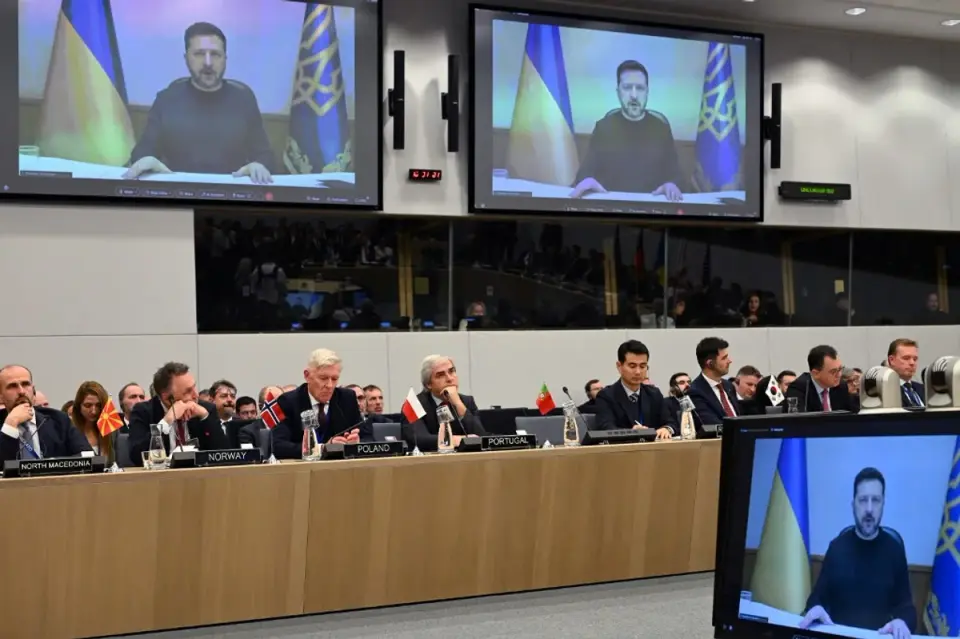
Ukraine plans to more than triple its deep-strike capabilities in 2027, expanding joint weapons production with European partners. This move comes as US officials publicly question the strategic value of such strikes, while European allies defend them. The 37th Ukraine Defense Contact Group meeting in Brussels highlighted differences between Washington and its European allies over Ukraine's military strategy, alongside Europe's growing responsibility for financing Kyiv's defense and critical air defense shortages amid intensified Russian attacks.
Key points
- Ukraine plans to more than triple its deep-strike capabilities in 2027, expanding joint weapons production with European partners.
- US Under Secretary of Defense for Policy Elbridge Colby dismissed the 'spectacle of deep strikes designed to incur pain on the Russian population,' arguing that such attacks had neither brought the war closer to an end nor slowed Russian advances on the battlefield.
- German Defense Minister Boris Pistorius called criticism of Ukrainian strikes on legitimate military targets inside Russia 'quite a stupid thing,' saying attention should instead focus on Moscow's daily 'terrorism' against Ukraine's electricity, heating and water infrastructure.
- British Defense Secretary Wes Streeting was equally blunt. 'It's not for us to tell Ukraine how to fight their war,' he said, arguing that deep strikes had degraded Russia's military capabilities, bought time and saved Ukrainian lives.
- NATO Secretary General Mark Rutte similarly defended Ukraine's efforts to disable Russia's war machine.
Background
The 37th Ukraine Defense Contact Group meeting in Brussels, known as the Ramstein format, took place on November 17, 2026. The meeting highlighted differences between Washington and its European allies over Ukraine's military strategy, alongside Europe's growing responsibility for financing Kyiv's defense and critical air defense shortages amid intensified Russian attacks. The US has requested Russia to draft a new security proposal for Europe as part of peace negotiations, a move that has sparked significant resistance from European allies who view it as an attempt to bypass NATO. The US State Department approved the sale of 500 Patriot PAC-3 interceptor missiles to Ukraine for $2.1 billion, fully funded by Canada, Germany, Norway, and an EU loan, with no US taxpayer money involved. The US cancelled a traditional G20 group photo in Atlanta after European diplomats refused to stand alongside Russian Foreign Minister Sergey Lavrov, highlighting deep divisions within the G20 regarding Russia's presence.
How outlets are covering it
The US and European allies have different views on Ukraine's military strategy. The US Under Secretary of Defense for Policy Elbridge Colby dismissed the 'spectacle of deep strikes designed to incur pain on the Russian population,' arguing that such attacks had neither brought the war closer to an end nor slowed Russian advances on the battlefield. He argued that attacks on commercial sites, including warehouses belonging to Russian retailer Wildberries, risk hardening Russian public support for the war and encouraging Kremlin escalation. In contrast, German Defense Minister Boris Pistorius called criticism of Ukrainian strikes on legitimate military targets inside Russia 'quite a stupid thing,' saying attention should instead focus on Moscow's daily 'terrorism' against Ukraine's electricity, heating and water infrastructure. British Defense Secretary Wes Streeting was equally blunt, stating 'It's not for us to tell Ukraine how to fight their war,' and arguing that deep strikes had degraded Russia's military capabilities, bought time and saved Ukrainian lives. NATO Secretary General Mark Rutte similarly defended Ukraine's efforts to disable Russia's war machine. The US and European allies also have different views on the financing of Ukraine's defense. The US has pressed Europe to shoulder more of the financial burden while continuing to purchase American weapons. European leaders, meanwhile, framed the cost of supporting Kyiv as a question of their own security. Pistorius warned that Putin was preparing to weaponize winter again, potentially creating humanitarian emergencies in Kyiv, Odesa and other Ukrainian cities by destroying electricity, water and heating supplies. Streeting delivered one of the meeting's strongest warnings, urging European governments not to allow economic pressures or political fatigue to weaken their support for Kyiv. 'Invest now, support Ukraine now, because the cost will be catastrophic if Putin prevails,' he said. The British defense secretary warned that allowing Russia to win would send a dangerous message that territorial conquest and imperial aggression could succeed. He stressed that support for Ukraine extends across British political parties, including the opposition, and reflects strong public backing for Kyiv. 'I can also speak on behalf of the UK Parliament on a cross-party basis,' Streeting said, stressing that Ukraine's 'front line is our front line for freedom and democracy.' Streeting reaffirmed Britain's commitment to stand with Ukraine 'for as long as it takes,' while NATO Secretary General Mark Rutte stressed that Moscow would fail to fracture the coalition. 'We all know that the principal objective of Putin is to win in Ukraine and to weaken Europe by generating insecurity and sowing division,' Rutte said. 'We all also know that he will not win in Ukraine, and he will not break our support to Ukraine.'
Why it matters
The 37th Ukraine Defense Contact Group meeting in Brussels highlighted the growing differences between the US and its European allies over Ukraine's military strategy and the financing of its defense. The US has pressed Europe to shoulder more of the financial burden while continuing to purchase American weapons, while European leaders have framed the cost of supporting Kyiv as a question of their own security. The meeting also highlighted the critical air defense shortages amid intensified Russian attacks, with President Volodymyr Zelensky urging allies to release Patriot and IRIS-T interceptors immediately from existing stockpiles rather than leave Ukraine waiting for factory deliveries. The meeting also brought renewed scrutiny to restrictions on Starshield, the US military-grade satellite communications system used by Ukrainian forces, which Ukraine says are costing lives. The meeting highlighted the growing responsibility of Europe for financing Kyiv's defense, with NATO Secretary General Mark Rutte acknowledging that the coalition remained several billion dollars short of its broader $70 billion annual assistance target. The meeting also highlighted the growing differences between the US and its European allies over Ukraine's military strategy, with the US Under Secretary of Defense for Policy Elbridge Colby dismissing the 'spectacle of deep strikes designed to incur pain on the Russian population,' while European allies defended them. The meeting highlighted the growing differences between the US and its European allies over Ukraine's military strategy and the financing of its defense, as well as the critical air defense shortages amid intensified Russian attacks.
What to watch
Ukraine plans to more than triple its deep-strike capabilities in 2027, expanding joint weapons production with European partners. The 37th Ukraine Defense Contact Group meeting in Brussels highlighted the growing differences between the US and its European allies over Ukraine's military strategy and the financing of its defense. The US has pressed Europe to shoulder more of the financial burden while continuing to purchase American weapons, while European leaders have framed the cost of supporting Kyiv as a question of their own security. The meeting also highlighted the critical air defense shortages amid intensified Russian attacks, with President Volodymyr Zelensky urging allies to release Patriot and IRIS-T interceptors immediately from existing stockpiles rather than leave Ukraine waiting for factory deliveries. The meeting also brought renewed scrutiny to restrictions on Starshield, the US military-grade satellite communications system used by Ukrainian forces, which Ukraine says are costing lives. The meeting highlighted the growing responsibility of Europe for financing Kyiv's defense, with NATO Secretary General Mark Rutte acknowledging that the coalition remained several billion dollars short of its broader $70 billion annual assistance target. The meeting also highlighted the growing differences between the US and its European allies over Ukraine's military strategy, with the US Under Secretary of Defense for Policy Elbridge Colby dismissing the 'spectacle of deep strikes designed to incur pain on the Russian population,' while European allies defended them. The meeting highlighted the growing differences between the US and its European allies over Ukraine's military strategy and the financing of its defense, as well as the critical air defense shortages amid intensified Russian attacks.
- Europe Backs Ukraine’s Deep Strikes Amid US Criticism Kyiv Post
- Zelenskyy urges allies to send air defence deliveries without delay as Russia intensifies attacks – as it happened The Guardian
- Britain to supply Ukraine with more than 1,000 short-range missiles Reuters
- France Prepares New Mirage 2000 Jets for Ukraine Alongside Hammer Bombs and Advanced Radar UNITED24 Media
- Zelensky calls on allies to exchange missiles, provide 40 more F-16 jets for Ukraine The Kyiv Independent
Want the full story? Read the original reporting
Read on Kyiv Post