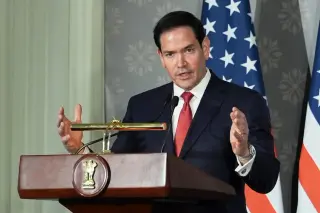
Trump says the Iran war deal is near as talks with allies—including India—make progress; Rubio reports significant but not final advancement in negotiations, signaling momentum toward a potential agreement.
A bipartisan, all-women Senate delegation led by Sen. Jeanne Shaheen (D-N.H.) and Sen. Lisa Murkowski (R-Alaska) travels to the Arctic to reaffirm the United States’ commitments to its partners in the region.
The White House released a 16-page counterterrorism strategy prioritizing Islamist groups, drug cartels, and violent domestic movements, and will press international partners to increase cooperation against threats tied to Iran and activities in the Strait of Hormuz. Officials say actions may involve law enforcement, targeted kinetic steps, and tightening financial networks, with a clear demand that allied nations prove themselves as “serious” partners rather than relying on the US to police the world.
The White House is reportedly developing a 'naughty and nice' NATO roster to reward allies who back U.S. goals and punish those who don’t, potentially via troop shifts, joint exercises, or arms sales, as Washington pressures partners over Iran policy and defense spending with few details released.
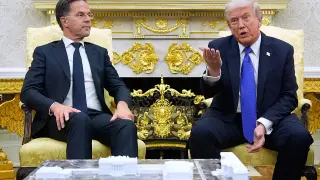
US President Donald Trump pressed NATO Secretary General Mark Rutte to devise a concrete plan within days to reopen the Strait of Hormuz, signaling potential deployment of naval assets and increasing pressure on European allies that had been reluctant to commit to an offensive operation; NATO is holding accelerated talks as the coalition discusses how to secure free passage in the strategically important waterway.
After a private Washington meeting, NATO says Trump was clearly disappointed that US allies refused to join the Iran war, even as a two-week ceasefire opened the Hormuz Strait. Trump has criticized NATO as a 'paper tiger' and floated leaving, but a 2023 law requires congressional approval to withdraw. Some allies limited cooperation during the conflict, while others backed post-ceasefire security plans as lawmakers defend the alliance.
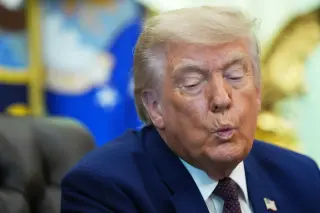
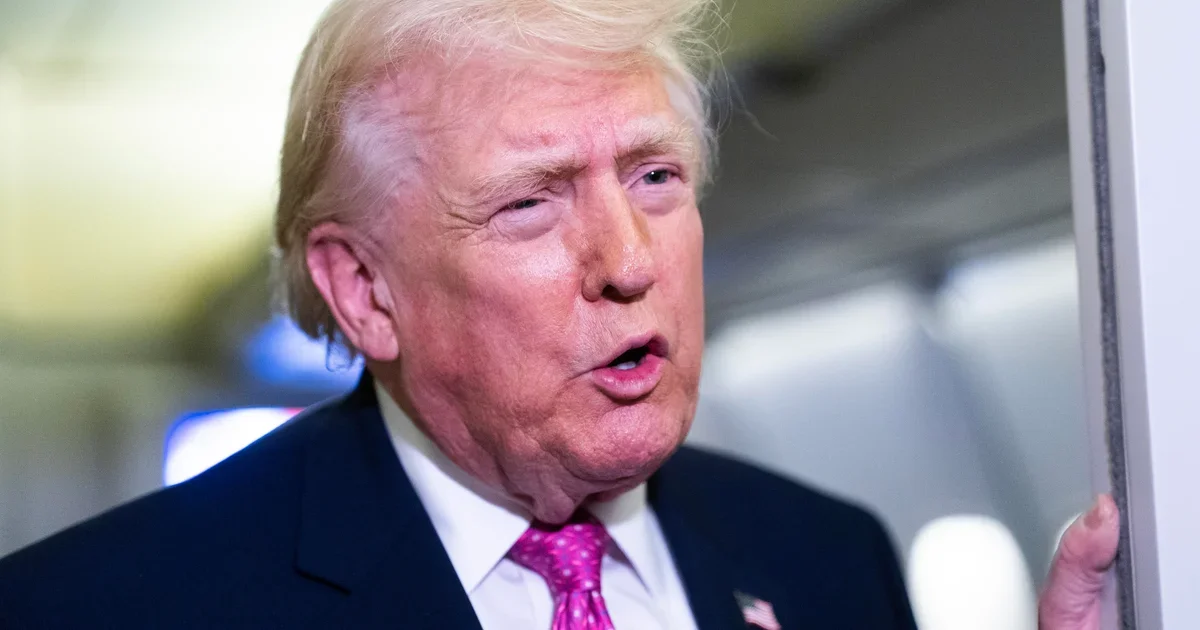
President Trump says the U.S. will remain in the Iran–Strait of Hormuz operation for now and urges allies to join the effort, arguing Iran has been decimated; he offers no firm end date, cites rising gas prices, and says victory cannot be declared without addressing Iran's nuclear stockpile.
As the Iran conflict intensifies and fuel prices rise, Trump lashes out at allies amid U.S. strikes and regional clashes, including reported blasts around Isfahan and an attack on Bnei Brak, while Washington and Tehran offer contradictory signals on negotiations to end the war.
President Trump frames the Iran conflict as effectively over, claiming Iran is begging for a deal and delaying planned strikes on power plants while talks continue; however Iran persists in launching attacks, allies express frustration over unclear exit strategies, and tensely mobilized U.S. forces and regional tensions show no durable path to end the war.
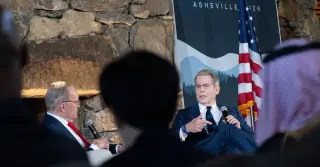
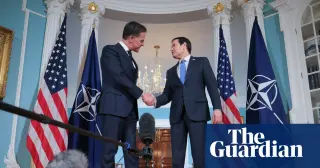
Secretary of State Marco Rubio pressed European and Asian allies to help secure the Strait of Hormuz for global oil and gas shipments as President Trump extended Iran’s deadline to reopen the strait; Iran has begun allowing some tankers through, underscoring energy-security concerns amid ongoing war and diplomacy.
Allies say President Trump’s public push for diplomacy on Iran clashes with visible troop deployments and unclear objectives, sparking concern about intensified conflict and economic fallout. While Washington talks of de-escalation, thousands of troops remain in the region and messaging from the White House and State Department has not clarified next steps, causing distrust among partners who must manage energy prices and regional stability. Diplomacy efforts, including talks brokered through Pakistan, are underway but the path to a deal remains uncertain.
European officials say Trump’s messaging on what allies should do to reopen the Strait of Hormuz is incoherent, with no formal requests yet and many governments reluctant to deploy due to risk and a lack of clear plans; despite pledges from 30+ nations, talks are in early stages as Europe asserts its own strategic autonomy, with the UK planning a security summit and NATO/G7 discussions looming, while possible options like destroyers or counter-mine support are considered only after the conflict subsides.
Former Defense Secretary James Mattis warned that the U.S. is fighting a limited war in Iran against a regime that is fighting for its survival, and rebuilding trust with international allies will take years (roughly eight to 12). He argued the regime likely won’t fall soon, criticized vague end-state declarations for Operation Epic Fury, and stressed the need for credible commitments and a strong economy to maintain broad allied support. He urged a strategic, patient approach and cited the U.S. Constitution as a stabilizing factor.
President Donald Trump criticized NATO allies for not joining the United States and Israel in any action against Iran to reopen the Strait of Hormuz, calling them 'cowards' and a 'paper tiger' and arguing a simple military move could open the strait; European leaders responded with caution, resisting escalation and seeking de-escalation, with France, Germany, Italy and the U.K. wary of expanding the conflict and exploring UN-backed options to secure safe shipping.
Japan's prime minister told Trump she would join talks on securing the Strait of Hormuz but offered no concrete military commitments, underscoring limits imposed by Japan’s pacifist constitution. Trump praised the gesture while pressuring allies to do more, but European partners gave only broad support—leaving unclear how much actual material aid Japan can provide and what actions it would take if tensions with Iran escalate.