
US Envoys Propose Donbas Cession for NATO Membership, Zelenskyy Says
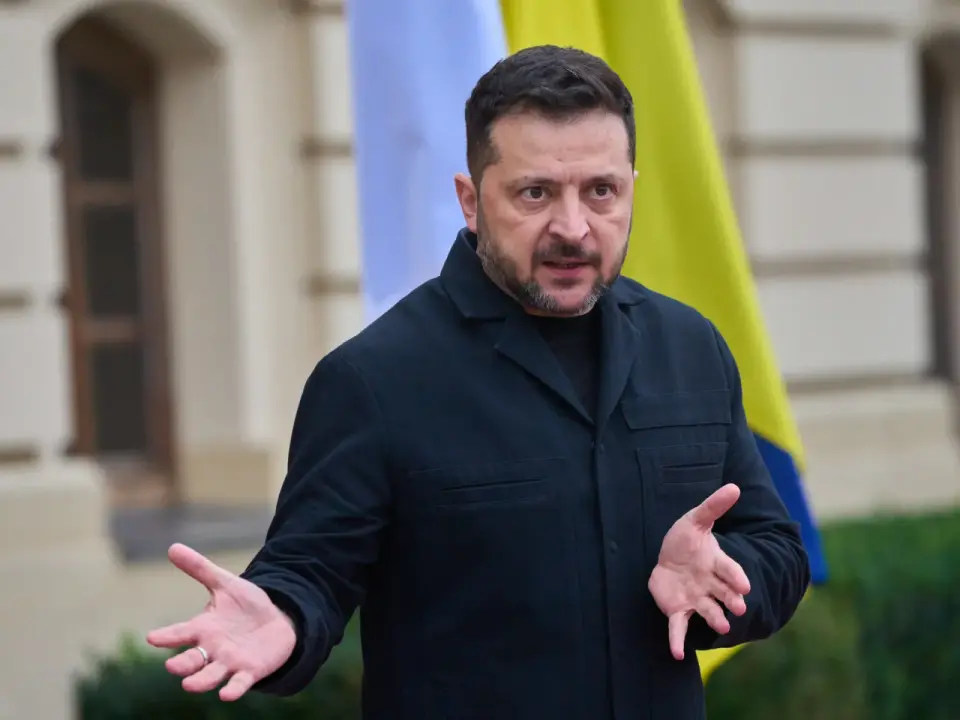
US negotiators have proposed that Ukraine cede control of the remaining Donbas territories it holds in exchange for NATO membership, according to President Volodymyr Zelenskyy. While Kyiv rejects immediate territorial loss, Zelenskyy indicated he would submit a comprehensive security package to a national referendum if it included firm guarantees, military funding, and reconstruction aid. Moscow has not responded but maintains its stance that Ukraine must remain neutral and demilitarized.
Key points
- US envoys Jared Kushner and Steve Witkoff raised the idea of Ukraine joining NATO in exchange for withdrawing from the Donbas during recent talks in Abu Dhabi and Dublin.
- Zelenskyy stated this was the first time such a trade was proposed, calling it 'extremely difficult' but noting NATO is 'back on the agenda.'
- Zelenskyy rejected ceding territory but agreed to a referendum if the deal included Article 5-style security guarantees, unrestricted military funding, and reconstruction aid.
- Russia has not officially responded to the proposal but continues to demand Ukrainian neutrality and the withdrawal of Western troops from neighboring countries.
- Kushner described the discussions as 'private' and noted that 'practical compromises' are necessary, while emphasizing that Europe must be included in final peace talks.
Background
Ukraine applied for NATO membership in September 2022, but the alliance has remained divided due to the ongoing war and concerns about corruption. The US under President Trump had previously opposed Ukraine’s accession, with Trump telling Kyiv to give up hope. This new proposal marks a significant shift from previous US positions, which focused on military support without territorial concessions. The Donbas region, comprising Luhansk and Donetsk, is Ukraine’s industrial heartland; Russia currently controls about 88% of it and has demanded the rest as a condition for peace.
How outlets are covering it
Al Jazeera and The Guardian highlight the risk that such a deal could weaken NATO and embolden Russia, with Zelenskyy warning that territorial concessions could lead to future escalations. BBC notes that while the proposal is a surprise given Trump’s previous skepticism of NATO, it may signal a recommitment to the alliance. CBS News emphasizes the lack of official confirmation from Washington, noting that Kushner downplayed the specifics as 'maximalist positions' in private discussions. Experts cited by Al Jazeera, such as Ian Lesser, argue that while attractive to Ukraine, the proposal is unlikely to be accepted by Moscow, which views NATO expansion as an existential threat. Chris Featherstone from the University of York views the move as an attempt to break the diplomatic impasse by testing Ukraine’s red lines on territory.
Why it matters
This proposal represents a potential breakthrough in stalled peace negotiations, linking Ukraine’s long-sought security guarantee to a major territorial concession. If successful, it could reshape European security architecture and end the war, but it risks legitimizing Russian territorial gains and weakening NATO’s credibility. The outcome will depend on whether Kyiv can secure robust security guarantees and whether Moscow will accept a compromise that contradicts its core demands for Ukrainian neutrality.
What to watch
US negotiators will continue private discussions to refine the proposal, potentially involving European leaders in future talks. Zelenskyy will assess the details of any security package before deciding whether to call a referendum. Russia is expected to maintain its demand for Ukrainian neutrality and demilitarization, likely rejecting any NATO membership offer. The next round of trilateral talks may focus on defining the scope of European security architecture and the specifics of the peace deal.
- Give Donbas, take NATO seat: Could new US pitch work for Ukraine, Russia? Al Jazeera
- US has floated Ukraine ceding Donbas for Nato membership, Zelensky says BBC
- U.S. floated exchanging Ukrainian territory for NATO membership, Zelenskyy says CBS News
- Zelenskyy says a new European security framework floated by U.S. could benefit Putin PBS
- Ukraine war briefing: US proposes Kyiv cede land to Russia for Nato membership, Zelenskyy says The Guardian
Want the full story? Read the original reporting
Read on Al Jazeera