
US-Iran Tensions Escalate Post-Midterms as Israel Prepares Decapitation Strike
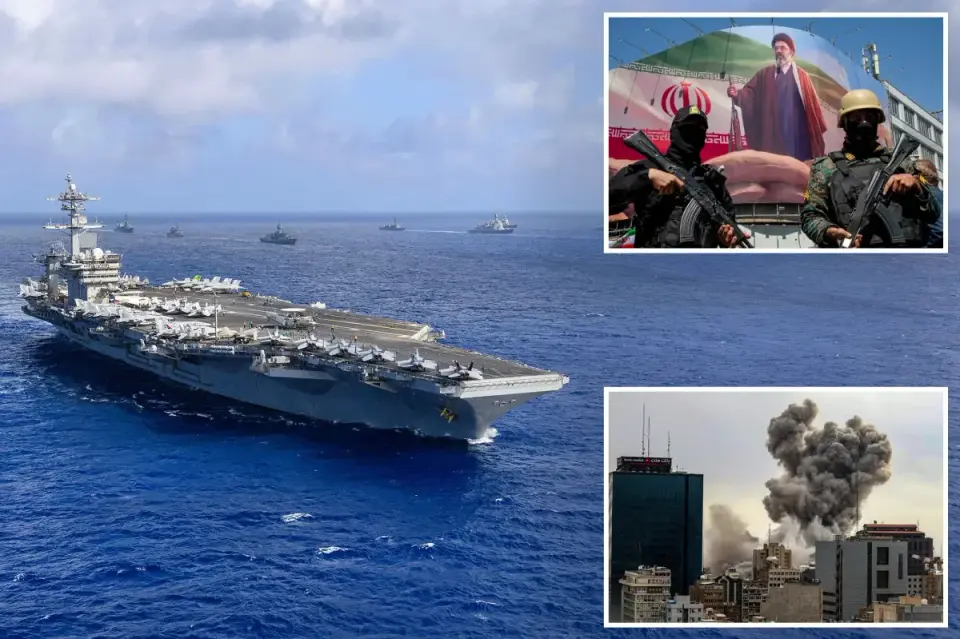
The US is deploying a third aircraft carrier to the Middle East, signaling potential renewed strikes on Iran after the midterm elections. Former Mossad head Oded Ailam suggests Israel may use a 'pagers-style' covert operation to eliminate Iran's military leadership. While Washington seeks negotiations, Israeli officials assess Iran is stalling to avoid concessions. Critics warn that escalation could devastate regional security, while hawks argue a decisive strike is necessary to neutralize nuclear threats.
Key points
- The USS Theodore Roosevelt is joining two other carrier task forces in the region, increasing US military presence.
- Former Mossad deputy Oded Ailam claims Israel is planning a surprise operation to kill Iran's four-member military junta.
- The targeted leaders include IRGC Commander Ahmad Vahidi, Basij Commander Hossein Taeb, Army Chief Ali Abdollahi, and Security Council Secretary Mohsen Rezaei.
- Sen. Chris Murphy (D-Conn.) warned that the US war plan is 'insane' and risks devastating escalation.
- Israeli defense assessments indicate Iran is delaying negotiations to avoid abandoning its nuclear and missile programs.
Background
This follows a period of intermittent conflict, including Operation Roaring Lion, where Israel and the US struck Iranian nuclear and military facilities. Recent tensions were heightened by Iran's re-closure of the Strait of Hormuz in February, which undermined diplomatic efforts led by Foreign Minister Abbas Araghchi. The current standoff occurs amid economic sanctions and internal friction within the Iranian regime, which has suppressed recent protests.
How outlets are covering it
The New York Post emphasizes the likelihood of a covert Israeli decapitation strike, citing Ailam’s belief that Israel will use 'surprise twists' to eliminate the military junta. The Jerusalem Post highlights Israeli defense assessments that Iran is merely buying time and will not agree to abandon its nuclear program, noting that US CENTCOM is preparing for strikes but the White House may wait until after the midterms. National Review argues that any resumed offensive must have a clear path to victory, warning against ambiguous goals. While the Post and Jerusalem Post focus on military readiness and strategic ambiguity, National Review stresses the need for defined objectives to justify escalation. All sources agree that the post-midterm period is a critical window for potential conflict, but they differ on the feasibility and desirability of a decisive strike versus continued diplomatic pressure.
Why it matters
A renewed conflict could destabilize the entire Middle East, potentially triggering a wider war involving Gulf Arab states and Israel. The psychological impact of a decapitation strike could fracture the Iranian regime, but it also risks massive retaliation against energy infrastructure and civilian targets. The outcome will determine the future of US-Iran relations and the regional balance of power, with significant implications for global energy markets and nuclear non-proliferation efforts.
What to watch
The US is expected to maintain its military posture until after the midterm elections. If negotiations fail, the US and Israel may launch strikes targeting Iran's nuclear facilities, leadership, and energy infrastructure. Iran is likely to retaliate against Gulf Arab energy sites and potentially Israel. Diplomatic efforts, including a recent letter from Vice President Vance to Mohsen Rezaei, may continue, but the military junta has shown little willingness to compromise. The coming weeks will determine whether the region moves toward a new phase of conflict or a fragile ceasefire.
- If Iran war erupts, Israel may be plotting another ‘Operation Grim Beeper’ style attack: sources New York Post
- Iran buying time in nuclear talks as US prepares for possible strikes The Jerusalem Post
- Trump and Netanyahu Need to Choose Victory on Iran National Review
- Israel ready for another Iran war, but Trump has yet to decide Ynetnews
- Netanyahu Pushed for Attack on Iran Ahead of Israeli Election, Officials Say The New York Times
Want the full story? Read the original reporting
Read on New York Post