
US halts planned security aid renewal for Iraqi Kurdish forces amid Iran conflict
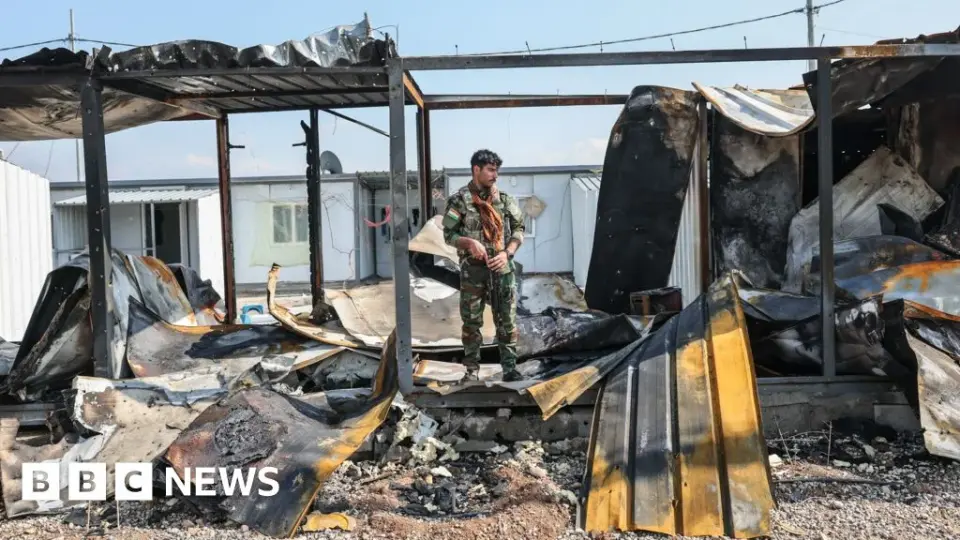
The Trump administration is not planning to renew a memorandum of understanding that provides security assistance to the Peshmerga, the security forces of Iraq’s Kurdistan region. This decision coincides with the scheduled withdrawal of US troops from Iraq on October 1, 2026, and the expiration of the current aid agreement on September 30. While the Pentagon argues that the defeat of the Islamic State group justifies reallocating funds, Kurdish officials and analysts warn that cutting support will leave the region vulnerable to escalating Iranian attacks. The move risks undermining a key US ally and creating a security vacuum in the Middle East.
Key points
- The US Department of Defense has informed Kurdish leaders that it will not renew the expiring memorandum of understanding providing security assistance to the Peshmerga.
- The current aid agreement expires on September 30, 2026, the same day the final US troops are scheduled to withdraw from Iraq, ending the international military campaign against the Islamic State.
- The Peshmerga received $61 million in fiscal year 2026 for weapons, training, and stipends; the Pentagon proposed cutting all security aid in its fiscal year 2027 budget request, though the plan is currently on hold due to congressional budget battles.
- Iran has launched 158 missile or drone attacks into Iraqi Kurdistan by late May 2026, according to the Foundation for Defense of Democracies, intensifying concerns about regional security.
- US officials are considering alternative security arrangements, including a potential bilateral defense pact with Iraq, but the specific role of Iraqi Kurdistan in these new frameworks remains unclear.
Background
This development follows a broader pattern of US military retrenchment in the Middle East, including recent reductions in joint drills with South Korea and the deployment of new carriers to relieve strained forces in the region. The US previously withdrew combat troops from Iraq in 2011, only to return in 2014 after the rise of the Islamic State. The current situation mirrors past concerns that premature withdrawal could create power vacuums exploited by regional adversaries.
Why it matters
Cutting aid to the Peshmerga could signal a shift in US reliability as a regional ally, potentially emboldening Iran and its proxies. It may also alter the security dynamics in Iraqi Kurdistan, where the Peshmerga has been a frontline partner against terrorism for over a decade. The decision reflects the Trump administration’s priority to reduce foreign entanglements, even as conflicts in the Middle East intensify.
What to watch
A final decision on US-Kurdistan security engagement is still under review. The US is exploring ways to maintain some security support after the troop withdrawal, potentially through a bilateral agreement with Baghdad. However, the lack of a clear framework for Kurdish security assistance raises uncertainty about the region’s stability in the coming months.
Want the full story? Read the original reporting
Read on BBC