
Shipping Giants Warn UN Against Iran-Oman Hormuz Fee Deal
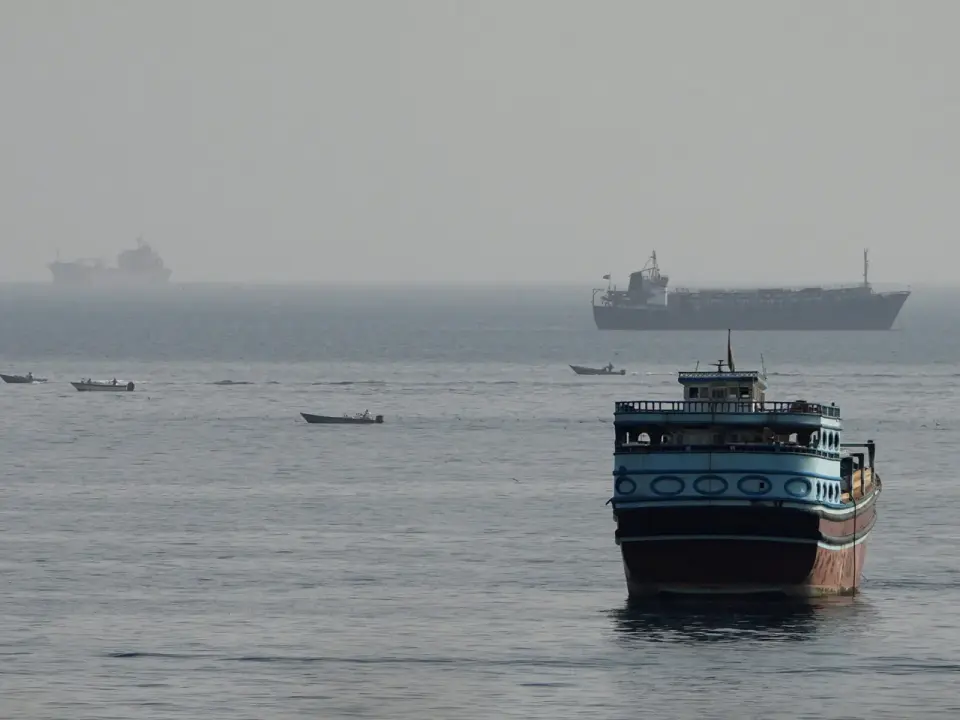
Eight major shipping associations have urged the UN to oppose a potential agreement between Iran and Oman to impose transit fees in the Strait of Hormuz. The groups argue that such charges would violate international maritime norms, set a dangerous precedent, and increase global energy costs. While Iran has formalized a fee regime following recent conflicts, experts note that legal precedents in other straits may complicate the issue, and the US remains ambivalent about enforcing freedom of navigation.
Key points
- Eight shipping bodies, including the World Shipping Council and BIMCO, sent a letter to UN Secretary-General Antonio Guterres and IMO head Arsenio Dominguez opposing tolls in the Strait of Hormuz.
- The letter warns that compulsory charges would violate established international practice and harm global livelihoods by raising energy prices and causing inflation.
- Iran established a de facto toll booth after the US-Israel war began in late February and formalized it via the Persian Gulf Strait Authority in May.
- Iran and Oman are nearing a deal to manage the waterway, with Iran’s foreign ministry stating the agreement is in final stages, though it is unclear if the US will allow it.
- JPMorgan analysts suggest Iran could legally frame fees as service charges for safety and navigation, citing precedents in Denmark and Turkey, though this remains debated.
Background
This dispute follows months of instability in the Gulf, including a US proposal for a 20% toll that was later withdrawn, and reports of Houthi plans to impose similar fees in the Red Sea. The current conflict has resulted in 64 confirmed incidents and 17 deaths in the region, with over 6,000 seafarers stranded as of late July.
How outlets are covering it
Al Jazeera and the Journal of Commerce emphasize the legal and economic dangers of tolls, highlighting the shipping industry’s fear of a precedent that undermines freedom of navigation. Fortune notes the potential for higher costs in Asia, particularly for diesel and fertilizers. In contrast, the Financial Times and JPMorgan analysts argue that Iran could legally justify fees as service charges, similar to practices in the Danish Straits or Turkish Straits, potentially making the arrangement defensible under international law despite objections from shipping lobbies.
Why it matters
The Strait of Hormuz carries one-fifth of the world’s oil. Any permanent fee structure could disrupt global energy supplies, increase consumer prices, and set a precedent for other chokepoints, affecting trade routes and geopolitical leverage in the region.
What to watch
The outcome depends on whether Iran and Oman finalize their deal and if the US intervenes. Shipping groups expect continued pressure on the UN and IMO to uphold international norms, while Iran may use its control over the strait as leverage in broader negotiations to end the conflict.
- Strait of Hormuz tolls would harm livelihoods worldwide, shipowners warn Al Jazeera
- Iran says it has a deal to reopen the Strait of Hormuz—and shipowners are outraged by its plan to charge fees Fortune
- Shipowners Say Hormuz Tolls Would Lead to More Charges Elsewhere Bloomberg.com
- Iranian tanker tolls: totally legit after all? Financial Times
- Global shipping calls on UN, IMO to ensure no Hormuz tolls Journal of Commerce
Want the full story? Read the original reporting
Read on Al Jazeera