
US Blockade Halts Iranian Oil Exports via Hormuz for First Time in History
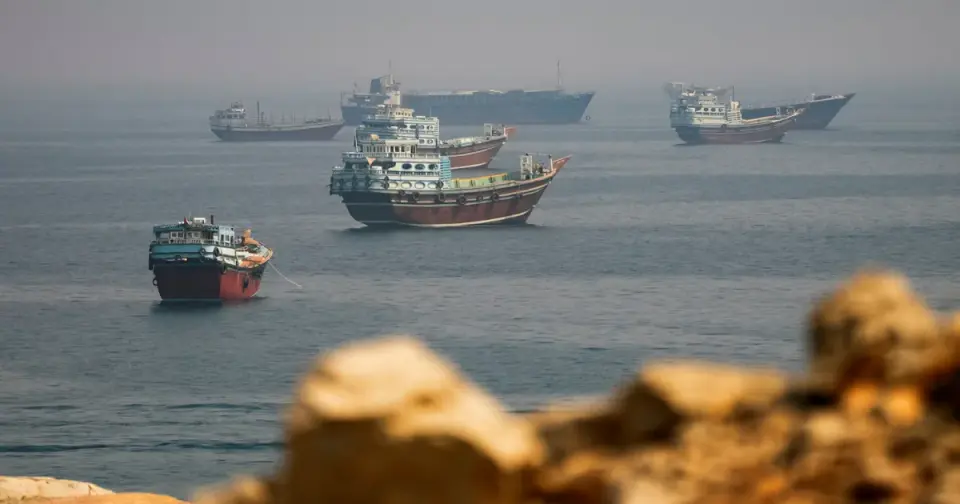
Iran has not shipped significant crude through the Strait of Hormuz for seven weeks, marking the first time in record history that exports via this route have stalled. This halt is due to a US naval blockade reinstated in July, which has cut off Tehran's primary foreign currency source. While China remains Iran's only major oil customer, no cargoes have successfully passed through the strait since the blockade began. The situation has intensified diplomatic tensions, with Iran demanding the US honor a June memorandum to reopen the strait, while the US dismisses the agreement and threatens further military action. Regional mediators, including Pakistan and Qatar, are attempting to revive diplomatic talks, but the impasse persists amid rising oil prices and economic pressure on Iran.
Key points
- Iran has not shipped significant crude through the Strait of Hormuz for seven weeks, the first time in record history, due to a US naval blockade reinstated on July 14.
- No Iranian crude cargoes have successfully passed through the strait to China, Tehran's only major remaining oil customer, since the blockade began, according to data from Kpler, Vortexa, and TankerTrackers.com.
- Iran's Parliament Speaker Mohammad-Bagher Ghalibaf stated that the Strait of Hormuz will not reopen until the US implements its obligations under the June Islamabad memorandum, warning of military retaliation if the blockade intensifies.
- US President Donald Trump dismissed the value of the June agreement with Iran, stating it was 'not worth the paper it is written on,' and threatened heavier military strikes if Iran retaliates.
- Regional mediators, including Pakistan and Qatar, are attempting to revive diplomatic talks, with Pakistan's Prime Minister Shehbaz Sharif describing the memorandum as the 'only viable pathway' toward lasting peace.
- Oil prices have risen significantly, with Brent crude climbing above $94 per barrel, as traders weigh potential supply disruptions from Persian Gulf hostilities and recent tanker attacks.
Background
This development follows a series of escalating tensions between the US and Iran, including previous US airstrikes on IRGC sites and Iranian retaliatory strikes. Oil prices have been volatile, with Brent crude rising above $90 per barrel in recent weeks due to fears of supply disruptions from the Strait of Hormuz. The US Strategic Petroleum Reserve has also reached multi-decade lows, adding to market concerns. The current blockade and diplomatic impasse are part of a broader pattern of economic and military pressure on Iran, which has led to increased economic hardship and internal political debates over the country's nuclear program and foreign policy.
Why it matters
The halt of Iranian oil exports through the Strait of Hormuz is a critical development in global energy markets, as the strait is a key route for oil shipments. The blockade has cut off Iran's primary source of foreign currency, exacerbating economic pressure on the country and potentially leading to further instability. The diplomatic impasse and threats of military action raise the risk of broader conflict in the region, which could further disrupt global oil supplies and drive up prices. The situation also highlights the ongoing tensions between the US and Iran, with regional mediators attempting to find a diplomatic solution. The impact on oil prices and global energy markets is significant, with potential implications for inflation and economic growth worldwide.
What to watch
The next steps will likely involve continued diplomatic efforts by regional mediators, including Pakistan and Qatar, to revive talks between the US and Iran. The US may continue to maintain the naval blockade and economic pressure, while Iran may escalate its military response if the blockade intensifies. Oil prices are expected to remain volatile, with potential for further increases if the situation worsens. The outcome of these negotiations and the potential for further military action will be critical in determining the future of the Strait of Hormuz and global oil markets.
Want the full story? Read the original reporting
Read on Iran International