
Sanctioned Tankers Flood Russian Registry as Western Crackdown on False Flags Intensifies
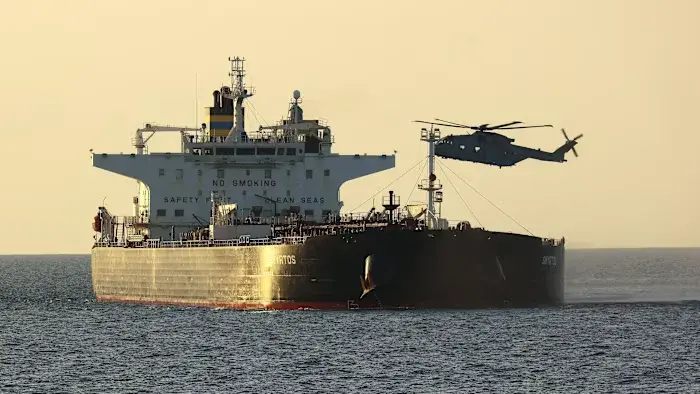
Russia’s flag registry has expanded by 36% since January 2025, absorbing sanctioned vessels displaced by Western enforcement. While this move shields ships from detention, it has not resolved safety risks, as evidenced by the uncontrolled drift of the Arctic Metagaz.
Key points
- The Russian flag registry grew from 280 to 382 vessels between January 2025 and June 2026, with 87% of new additions already under sanctions.
- Western pressure forced open registries like Comoros and Gambia to remove sanctioned ships, pushing them toward false flags or the Russian registry.
- A June presidential decree simplified registration, allowing sanctioned tankers to gain Russian protection and avoid detention by stateless vessel laws.
- The Arctic Metagaz incident highlighted that Russian flag status does not guarantee maritime governance, as the vessel drifted uncontrolled after an explosion.
- Recent months show a slowdown in new registrations, with only three vessels added in June 2026, as some operators pivot to Equatorial Guinea flags.
Background
This development follows Ukraine’s MoLoChKa campaign, which disabled 300 shadow fleet vessels in 11 weeks, and earlier strikes on 36 vessels in August. These actions accelerated the need for Russia to formalize its fleet to protect oil exports.
How outlets are covering it
The Financial Times emphasizes the strategic shift to Russian flags as a refuge, noting a 36% growth. CREA highlights the legal loophole, stating that 87% of new vessels were already sanctioned, and criticizes Russia’s failure to exercise jurisdiction, citing the Arctic Metagaz drift. TradeWinds focuses on the operational impact, noting that moving to the Russian registry prevents European navies from seizing tankers as stateless ships, though it does not eliminate safety risks for coastal states.
Why it matters
The expansion of the Russian flag registry undermines Western sanctions by providing legal cover for sanctioned vessels, complicating enforcement and raising environmental risks due to aging, uninsured tankers.
What to watch
Western nations may develop new enforcement frameworks for Russian-flagged vessels and expand Nordic-Baltic inspections. Russia may continue to adjust its registry policies to balance protection with deniability, while operators may shift to other flags like Equatorial Guinea.
- Russia expands fleet as crackdown on stateless vessels intensifies Financial Times
- Russian flag refuge: 107 vessels join the Russian flag registry since January 2025 Centre for Research on Energy and Clean Air
- Europe's crackdown halves shadow fleet ships sailing under false flags, report says The Kyiv Independent
- Falsely-flagged Russian shadow fleet vessels plunge after navy action TradeWinds News
- Russia’s shadow fleet changes course The International Institute for Strategic Studies
Want the full story? Read the original reporting
Read on Financial Times