
Xi pledges market access reforms at APEC as Trump, Putin summit looms
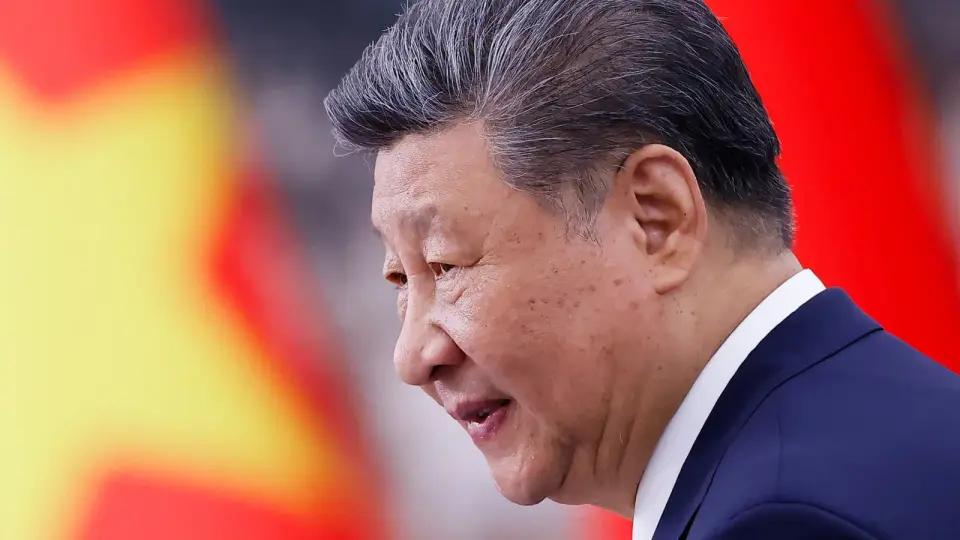
Chinese President Xi Jinping opened the Asia-Pacific Economic Cooperation (APEC) summit in Shenzhen by urging members to eliminate trade barriers and promising to reform regulations to grant foreign firms full manufacturing access. While Xi framed the event as a showcase for multilateralism and technological innovation, the summit is overshadowed by new U.S. restrictions on advanced AI chips and a fragile trade truce. The gathering includes a high-profile trilateral meeting with U.S. President Donald Trump and Russian President Vladimir Putin, though analysts suggest the diplomatic display may mask deepening economic fractures between Beijing and Washington.
Key points
- Xi Jinping called for the removal of trade and investment barriers to promote balanced development, stating China would cut tariffs and reform rules to provide foreign companies with full manufacturing access.
- The APEC summit in Shenzhen is designed to showcase China’s technological prowess, featuring tours of smart factories, humanoid robots, and headquarters of major tech firms like Tencent and BYD.
- Xi is scheduled to host a trilateral meeting with U.S. President Donald Trump and Russian President Vladimir Putin, a diplomatic event described by some experts as largely symbolic.
- The summit occurs amid rising tensions, including new U.S. restrictions on China’s access to advanced AI chips and a delayed $30 billion cut in mutual tariffs agreed upon the previous year.
- China has secured trade wins with Canada, extending remission measures for steel and aluminum in exchange for tariff relief on Canadian agricultural products, while also leveraging the platform to counter 'unilateralism'.
Background
This summit follows a period of deepening economic slowdown in China, where October data showed weak domestic consumption and investment despite strong export growth driven by AI demand. Previous coverage noted that while public diplomatic relations between Beijing and Washington appear cordial, underlying economic defenses are hardening, with each recent summit preceded by new trade barriers. Additionally, Canada has signaled a potential pivot toward Chinese auto investment if U.S. trade talks fail, reflecting broader shifts in North American supply chains.
How outlets are covering it
CNBC and Bloomberg focus on Xi’s explicit calls for opening markets and his warning against 'rampant' protectionism, highlighting his promise to reform regulations for foreign manufacturers. The Guardian and Financial Times emphasize the performative aspect of the summit, describing Shenzhen as a 'miracle city' used to project Chinese technological confidence and multilateral stewardship. The Guardian notes that the tightly controlled format of the summit may limit free-flowing discussion, while the Financial Times highlights the contrast between the showcase of innovation and the reality of U.S. curbs on AI chips. Bloomberg points out that the new U.S. restrictions on AI chips threaten to overshadow the diplomatic talks, suggesting the trade truce may be fragile. The Guardian also notes that the trilateral meeting with Trump and Putin may be symbolic, providing an appearance of China shaping the world order without substantial agreement on key issues.
Why it matters
The summit signals a critical juncture in global trade policy, where China is attempting to position itself as a leader in open markets and technological innovation despite escalating U.S. restrictions. The outcome of the Trump-Xi-Putin meeting and the implementation of promised tariff cuts will determine whether the fragile trade truce holds or if economic decoupling accelerates. Furthermore, China’s push for 'full manufacturing access' could reshape global supply chains, particularly in AI and advanced manufacturing, as it seeks to counter Western protectionism and secure its position in the global economy.
What to watch
Watch for the outcome of the trilateral meeting between Xi, Trump, and Putin, which is expected to address AI and trade issues. Monitor whether the planned $30 billion cut in mutual tariffs between the U.S. and China is implemented or further delayed. Additionally, observe how the new U.S. restrictions on advanced AI chips impact China’s tech sector and whether China’s promised regulatory reforms lead to tangible changes in market access for foreign companies. The summit’s focus on AI and digital economy cooperation may also set the tone for future regional technological partnerships.
- China’s Xi calls for removing trade and investment barriers ahead of his meeting with Trump and Putin CNBC
- China's Xi calls for free and open trade at APEC summit Reuters
- Hi-tech Shenzhen takes centre stage as Xi sends ‘Chinamaxxing’ message at Apec summit The Guardian
- ‘Witness the Wonders’: China touts miracle city for Trump summit Financial Times
- Xi Warns Against ‘Rampant’ Protectionism Ahead of Trump Talks Bloomberg.com
Want the full story? Read the original reporting
Read on CNBC