
Afsaneh Aqila, Basij Commander, Killed in Escalating Sistan-Baluchestan Violence
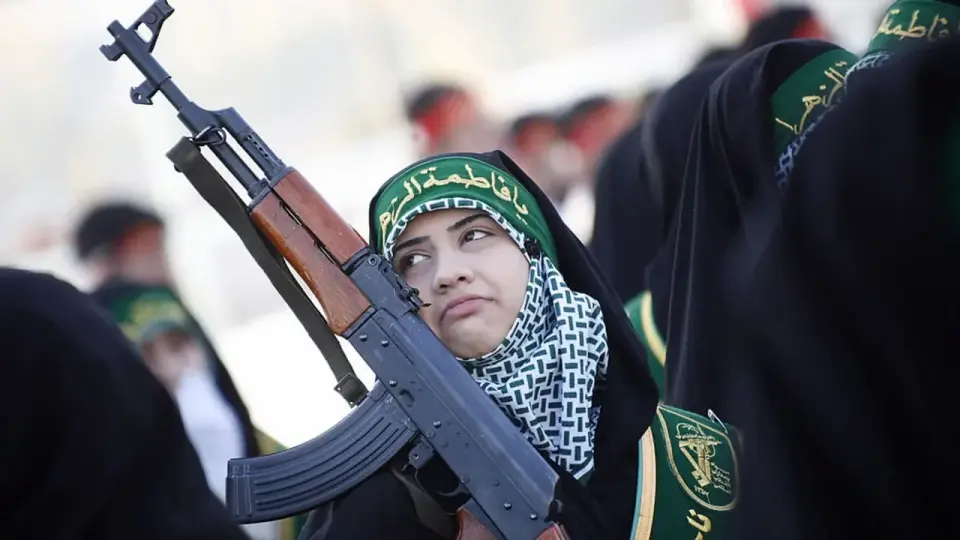
Afsaneh Aqila, commander of the Afzal Sisters’ Basij unit in Mehrestan, was assassinated outside her home in Iran’s Sistan-Baluchestan province. This killing follows a surge in armed incidents targeting Iranian security forces in the region, with state media blaming external actors while independent groups cite local grievances and a lack of evidence for foreign involvement.
Key points
- Afsaneh Aqila, commander of the Afzal Sisters’ Basij unit in Mehrestan, was killed outside her home on Wednesday, according to Iranian state media.
- In a separate incident in the same province, security officer Mohsen Shahriyari was killed while confronting a 'terrorist group,' as reported by the Islamic Republic News Agency.
- The IRGC-affiliated Tasnim News Agency alleged the gunmen had links to Israel and the United States but provided no evidence or named a specific group.
- The US-based Human Rights Activists News Agency (HRANA) reported 94 deaths and 33 injuries in 63 armed incidents across southeastern Iran between March 31 and October 10.
- The People’s Fighters Front has claimed responsibility for only six of the documented incidents, leaving the majority unattributed.
- Security expert Roger Macmillan noted that anti-regime attacks have increased since the Sunni group Jaysh al-Adl merged with the People’s Fighters Front, citing anger over IRGC repression.
Background
This escalation follows a pattern of increasing violence in Sistan-Baluchestan, where a senior Sunni cleric was assassinated in September 2026. The IRGC has recently pivoted resources toward domestic security to suppress unrest, while the province has seen a rise in attacks on security personnel and infrastructure near the Chabahar port.
How outlets are covering it
The Jerusalem Post and Al Jazeera highlight the state narrative blaming Israel and the US for the attacks, while noting the lack of evidence. Iran International provides a broader context of the violence, including the killing of a police officer and clashes involving the Fatemiyoun militia. All sources agree on the rising number of incidents but differ on the attribution, with state media pointing to foreign actors and independent groups like HRANA and Haalvsh emphasizing local armed groups and unattributed attacks. The Jerusalem Post also notes the regime's efforts to project strength through mass recruitment, contrasting with reports of using criminals to fill ranks.
Why it matters
The assassination of a high-ranking Basij commander signals a significant escalation in the conflict between the Iranian state and armed groups in Sistan-Baluchestan. It underscores the regime's struggle to maintain control in a restive border province and highlights the potential for further violence as the government attempts to bolster its paramilitary forces amid growing internal dissent and external pressure.
What to watch
The Iranian government is likely to continue its security operations in Sistan-Baluchestan, potentially leading to more clashes with armed groups. The regime may also intensify its recruitment efforts for the Basij, though the effectiveness of these efforts remains uncertain given the ongoing violence and potential reliance on convicted criminals. The situation could further strain relations between the Iranian state and the local Baluch population, potentially leading to more unrest.
- Iranian Basij female unit commander assassinated in latest attack against IRGC The Jerusalem Post
- Iran Fights Spike in Militant Attacks as US War Threat Looms Bloomberg.com
- At least two security officials killed near Iran’s critical Chabahar port Al Jazeera
- Women’s Basij commander, police officer killed in southeast Iran Iran International
- Iran Fights Rising Militant Attacks as US Threatens to Renew War Military.com
Want the full story? Read the original reporting
Read on The Jerusalem Post