
Gaza Winter Storms Expose Deadly Infrastructure Gaps Amid Contested Aid Narratives
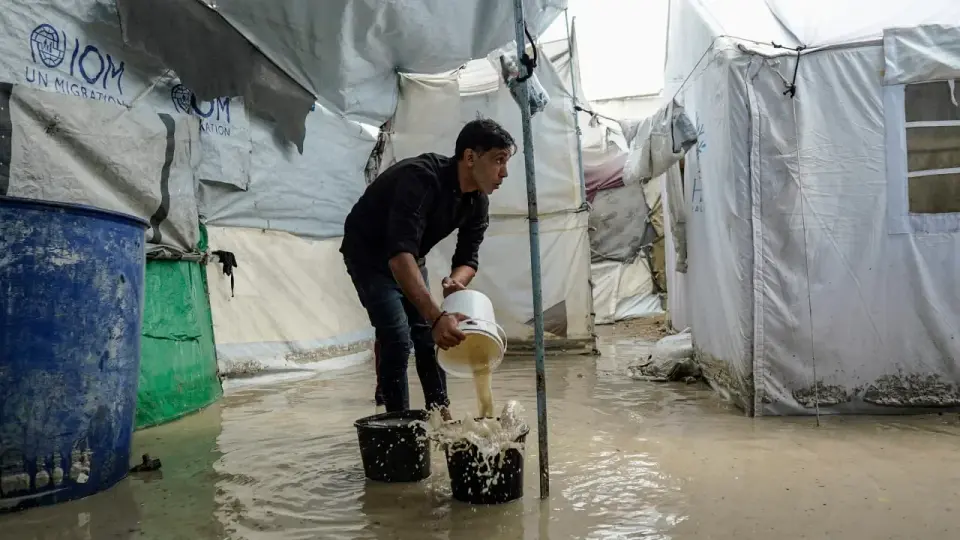
Heavy rains in early November 2026 caused catastrophic flooding in Gaza, killing at least four people and damaging thousands of shelters. While Gaza authorities blame Israeli restrictions on winter supplies, Israeli officials assert that significant aid was pre-delivered. International media initially amplified Hamas figures, though later reporting highlighted the severe infrastructure collapse and lack of excavation equipment.
Key points
- A sandbank collapse in Deir el-Balah killed three children and a pregnant woman on November 8, 2026, as residents dug with bare hands due to a lack of heavy machinery.
- UNICEF reports that 106,000 people were directly affected by the floods, with 1.4 million residents living in tents or makeshift shelters.
- Hamas’s Government Media Office claimed 70,000 tents were flooded within 12 hours of the first rain, a figure widely cited by Reuters, BBC, and NBC News.
- Israel’s COGAT states that over 91,000 tents and 8,200 trucks of winter supplies entered Gaza since September 4, 2026, contradicting claims of total blockades.
- HonestReporting argues that Hamas pre-wrote the narrative of suffering before the storm, while Al Jazeera emphasizes the immediate human toll and infrastructure failure.
Background
This crisis follows the third anniversary of the October 7, 2023, attacks, a period marked by ongoing narrative battles over the war’s impact. Recent coverage also highlights a strike on Nasser Hospital, underscoring the continued volatility in the region despite ceasefire efforts.
How outlets are covering it
HonestReporting and The Jerusalem Post argue that Hamas manipulated the media narrative by releasing specific damage figures before the storm, which were then uncritically adopted by Western outlets. In contrast, Al Jazeera and NBC News focus on the verified human tragedy, noting that while aid was delivered, the infrastructure remains too destroyed to prevent fatal collapses. The Board of Peace acknowledges the humanitarian challenge but places blame on Israel for delaying essential supplies, creating a stark divide between the scale of pre-delivered aid and the reality of on-the-ground destruction.
Why it matters
The incident highlights the fragility of Gaza’s humanitarian situation, where even moderate weather can cause lethal consequences due to years of infrastructure destruction. It also reveals how information warfare shapes international perception, with conflicting accounts of aid delivery and damage complicating diplomatic responses and future reconstruction efforts.
What to watch
Aid organizations are calling for immediate entry of shelter materials and drainage equipment to prevent further casualties. The Board of Peace and UN bodies are expected to continue urging Israel to allow essential supplies, while Hamas may leverage the deaths to intensify pressure on the international community to intervene against Israeli restrictions.
- How Hamas shaped Gaza's winter flooding narrative before the first storm The Jerusalem Post
- As deadly storms flood Gaza’s tent cities, the displaced fear a worse winter The Washington Post
- Netanyahu denies Israel is to blame for conditions in Gaza camps, and other Mideast news AP News
- Deadly floods sweep Gaza’s tents, intensifying pressure on Israel NBC News
- ‘Our neighbours are gone’: Gaza survivors recount horrors of deadly floods Al Jazeera
Want the full story? Read the original reporting
Read on The Jerusalem Post