
IRGC Commander Killed in Saravan Raid as Sistan-Baluchestan Violence Escalates
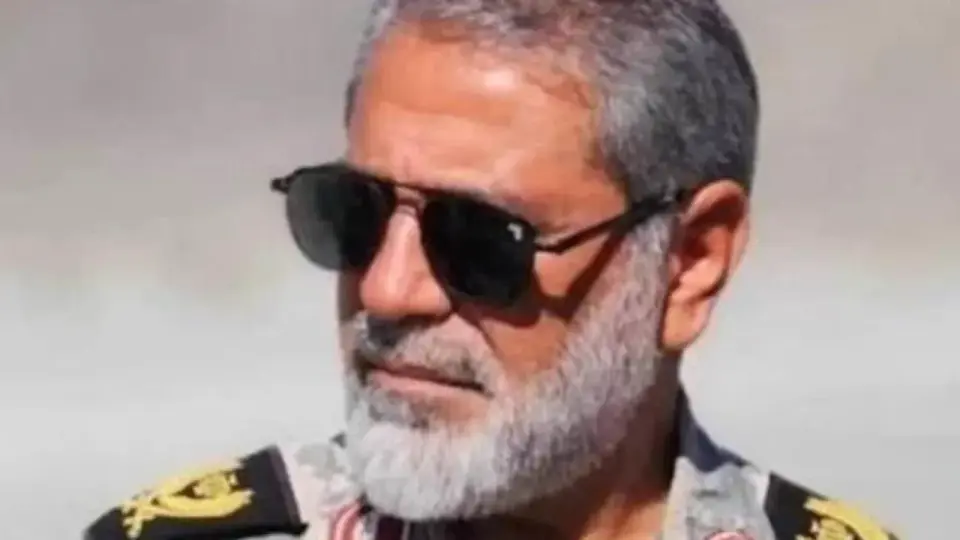
Brigadier General Hossein Zarifi, commander of the IRGC's Shahid Sajjad Operational Headquarters, was killed on Wednesday during a joint security operation in Saravan, Sistan and Baluchestan Province. The raid, conducted by the IRGC, Intelligence Ministry, and police, targeted an armed cell in the Jihadabad area near the Pakistan border. Iranian authorities reported that five militants were killed and others arrested, though no group has claimed responsibility. This incident marks the third major security operation in the region within a month, following deadly clashes in late August and September 12. While state media frames the events as counter-terrorism efforts, local rights groups and state-affiliated outlets offer conflicting accounts regarding casualties and the nature of the confrontations, highlighting persistent instability in the majority Sunni province.
Key points
- Brigadier General Hossein Zarifi, who had served in Sistan and Baluchestan for over a decade, was killed while participating in a front-line operation in Saravan.
- The IRGC confirmed Zarifi's death, praising him as a front-line commander and comparing his role to that of former Quds Force commander Qasem Soleimani.
- Five armed individuals were killed and others arrested during the raid on a suspected safe house in the Jihadabad area, according to Iranian media.
- The clash occurred less than two weeks after another deadly operation in Saravan on September 12, which killed four militants and three security personnel.
- No specific organization has claimed responsibility for the attacks, though Iranian authorities labeled the gunmen as 'terrorists' without naming a group.
- Zarifi's funeral is scheduled for Friday in Saravan, with the IRGC stating his death will not create a leadership vacuum in border defense operations.
Background
Sistan and Baluchestan Province, which borders Pakistan and Afghanistan, has experienced a surge in armed clashes over the past month. In late August, a joint operation resulted in one militant killed and six arrested. On September 12, a raid in Saravan killed four alleged militants and three Iranian security personnel. Earlier in September, two Basij members were shot dead in Zahedan. This pattern of violence follows a broader period of instability in the region, which has been a focal point for anti-regime militant activity and Balochi separatist movements. The IRGC recently underwent leadership changes after previous commanders were killed in strikes, with Ahmad Vahidi appointed as the new IRGC commander in August 2026.
How outlets are covering it
The Jerusalem Post and Tasnim News Agency report that the operation was a proactive counter-terrorism measure based on intelligence, resulting in the death of five militants and the arrest of others. They emphasize the IRGC's narrative of Zarifi as a heroic front-line commander. In contrast, IranWire and the human rights group Haalvsh provide conflicting accounts of a separate but related incident in Zahedan on September 18, where state media claimed two attackers were killed, while Haalvsh reported that security forces opened fire on a civilian vehicle, injuring bystanders and military personnel. While state-affiliated outlets like Fars News Agency attributed some incidents to the Sunni militant group Jaish al-Adl, no group has officially claimed responsibility for the Saravan clash, and the identities of the gunmen remain unverified. The discrepancy in casualty figures and the characterization of the events as either 'terrorist attacks' or 'security incidents' highlights the lack of independent verification in the region.
Why it matters
The death of a senior IRGC commander underscores the escalating security challenges in Iran's southeastern border regions. The frequency of deadly clashes in Sistan and Baluchestan suggests that the IRGC's counter-terrorism operations are facing persistent resistance, potentially from Balochi separatist groups or other anti-regime factions. This instability could strain Iran's internal security resources and complicate its border management with Pakistan and Afghanistan. Furthermore, the killing of a high-ranking official like Zarifi may have implications for the IRGC's operational continuity and morale, especially as the organization consolidates its influence within Iran's political and military structures following recent leadership changes.
What to watch
Iranian authorities are expected to continue intensified security operations in Sistan and Baluchestan, as indicated by the IRGC's statement that border defense efforts will proceed without interruption. The funeral of Brigadier General Zarifi is scheduled for Friday in Saravan, which may draw significant security attention. Given the pattern of escalating violence, further clashes between security forces and armed groups are likely in the coming weeks. The lack of a claimed responsibility for the Saravan incident may lead to increased speculation about the involvement of Balochi separatist movements or other militant groups, potentially prompting further crackdowns in the region.
- Senior IRGC commander killed in clash with gunmen near Iran-Pakistan border - report The Jerusalem Post
- Security Forces Conduct Special Anti-Terror Operation in SE Iran تسنیم
- Shooting in Zahedan, Iran leaves at least six injured — Jerusalem Post UA.NEWS
- Iranian Police Officer Killed in Zahedan Armed Clash iranwire.com
- Three mebers of terrorist team killed in SE Iran en.mehrnews.com
Want the full story? Read the original reporting
Read on The Jerusalem Post