
Ukraine Hits Roscosmos’ Soyuz Assembly Hub in Samara
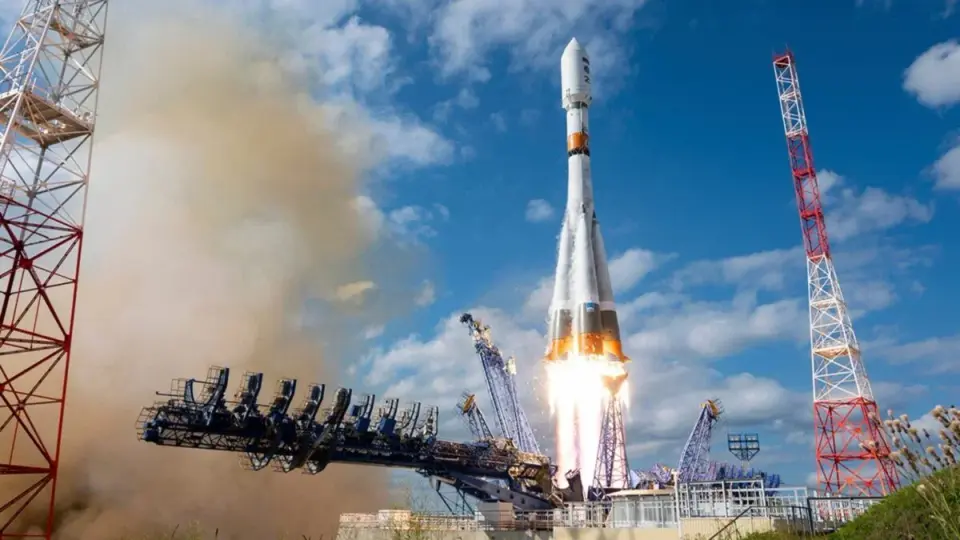
Ukraine launched a long-range missile strike against the Progress Rocket Space Center in Samara, Russia, targeting a facility critical to the assembly of Soyuz rockets and military satellites. President Volodymyr Zelenskyy confirmed the use of FP-5 'Flamingo' cruise missiles, describing the attack as a significant achievement in degrading Russia’s war potential. The strike coincided with a Russian missile barrage on Kyiv, which sparked fires in multiple districts. While Russian officials reported localized damage and successful air defense interceptions, Ukrainian sources claim direct hits on avionics and integration buildings. This attack exacerbates existing production bottlenecks, as Roscosmos already faces a 30-50% capacity shortfall for Soyuz vehicles between 2027 and 2030.
Key points
- Ukraine used FP-5 'Flamingo' cruise missiles to strike the Progress Rocket Space Center in Samara, approximately 900 km from the Ukrainian border.
- The facility assembles Soyuz-2 and Soyuz-5 rockets, which account for over 85% of Russian launches since 2020, as well as military satellites for the Rassvet network.
- Zelenskyy confirmed the strike on August 15, 2026, alongside attacks on the Savasleyka airbase and an oil facility in Ust-Luga.
- Russian regional officials acknowledged localized industrial damage and reported that air defenses repelled a 'massive missile attack,' though they did not specify which buildings were hit.
- Ukrainian open-source analysis suggests a direct hit on Building 106A, a clean-room facility for avionics, adjacent to vehicle integration areas.
- Roscosmos is already facing a production deficit, with demand for Soyuz rockets projected to exceed capacity by 30-50% from 2027 to 2030.
Background
This strike follows a pattern of Ukrainian long-range operations targeting Russian military and industrial infrastructure, as noted in earlier coverage from August 15, 2026. The attack on the Progress Center is part of a broader strategy to disrupt Russia’s space and military capabilities, particularly as Roscosmos struggles with funding shortages and technical issues. The timing coincides with increased Russian missile attacks on Ukrainian cities, including a recent strike on Kyiv that caused fires and injuries. Additionally, the strike on the Kamensky Combine highlights Ukraine’s focus on degrading Russia’s rocket fuel production, which supports both air defense and multiple rocket launcher systems.
How outlets are covering it
Gizmodo and Ars Technica emphasize the strategic significance of the strike on Roscosmos, highlighting the critical role of Soyuz rockets in Russian spaceflight and the potential for a production standstill if damage is lasting. They note that the Soyuz-2 family is the primary workhorse for Russian space operations, and any disruption could have severe consequences. The Guardian focuses on the broader context of the conflict, including the Russian missile attack on Kyiv and the diplomatic tensions between Russia, the US, and Turkey over potential weapon transfers. Ukrainian Pravda highlights the use of Neptune missiles on the Kamensky Combine, emphasizing the impact on Russia’s solid rocket fuel production and its implications for air defense and multiple rocket launcher systems. Russian officials, as reported by The Guardian, downplayed the damage, stating that air defenses repelled the attack and only localized industrial damage occurred, while Ukrainian sources claim direct hits on critical facilities. This divergence in reporting reflects the ongoing information war and the difficulty in verifying the extent of damage to Russian facilities.
Why it matters
The strike on the Progress Rocket Space Center could significantly disrupt Russia’s space and military capabilities, particularly if it delays Soyuz rocket production. Given that Soyuz rockets are essential for ISS operations and satellite deployments, any lasting damage could have far-reaching implications for Russia’s space program. Additionally, the strike on the Kamensky Combine threatens to disrupt the production of solid rocket fuel, which is critical for Russian air defense and multiple rocket launcher systems. These attacks highlight Ukraine’s growing ability to strike deep into Russian territory and degrade its war potential, potentially influencing the broader dynamics of the conflict and international relations.
What to watch
The immediate next steps will involve assessing the extent of damage to the Progress Rocket Space Center and the Kamensky Combine, as well as monitoring any disruptions to Soyuz rocket production and Russian military operations. Roscosmos may need to adjust its production schedules or seek alternative suppliers to mitigate the impact of the strike. Additionally, the diplomatic tensions between Russia, the US, and Turkey over potential weapon transfers could escalate, potentially affecting the broader geopolitical landscape. Ukraine may continue its campaign of deep strikes to further degrade Russia’s war potential, while Russia may respond with increased military operations or diplomatic pressure. The situation will likely remain fluid, with ongoing developments in both the military and diplomatic arenas.
- Ukraine Strikes Rocket Factory Critical to Russia’s Space Program Gizmodo
- Ukraine war briefing: Kyiv faces missile barrage after Zelenskyy targets Russian satellite network theguardian.com
- Satellite images show damage at a space center supporting Russia's Starlink rival after a Ukrainian missile strike yahoo.com
- Ukraine strikes major Russian rocket factory with cruise missiles arstechnica.com
- Ukrainian Neptune missiles used in strike on Russian rocket fuel plant – Ukraine's Navy Українська правда
Want the full story? Read the original reporting
Read on Gizmodo