Box-Score Brilliance, Grading Reality: Williams’ Week 1 PFF Disconnect
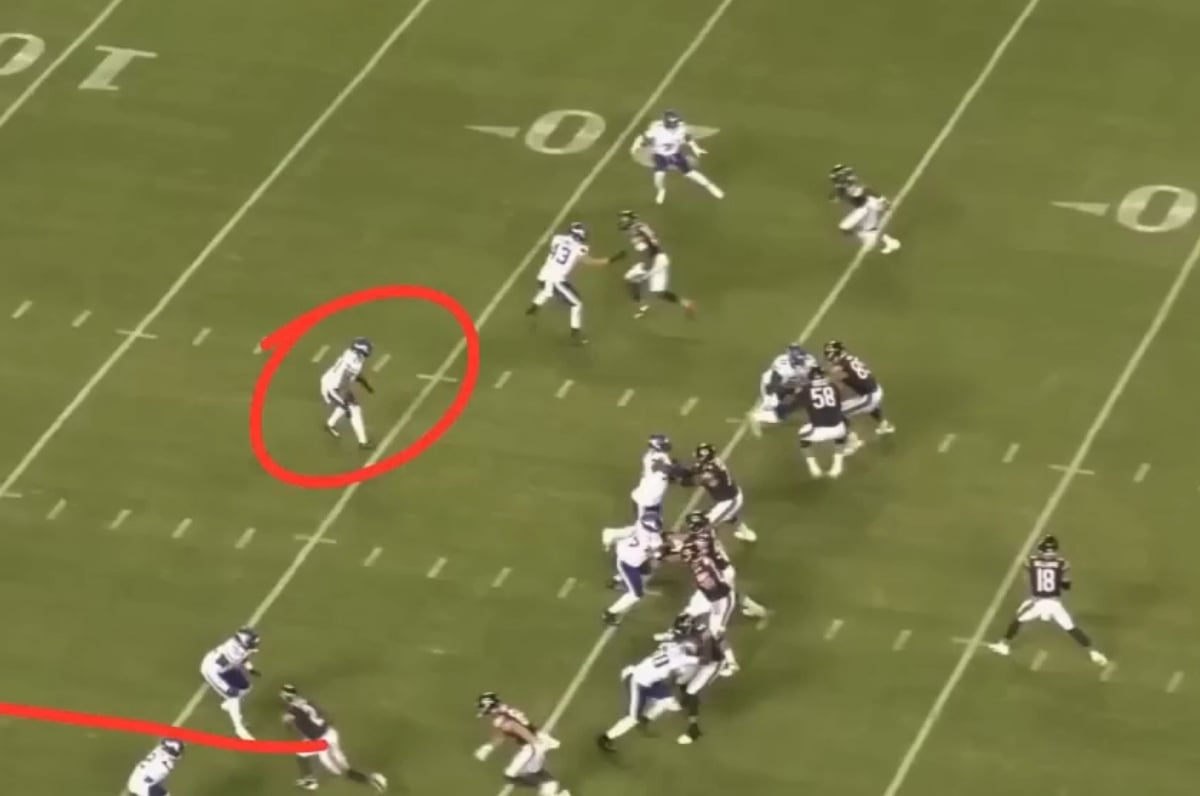
Caleb Williams produced 334 total yards and four touchdowns in Week 1, but earned a 64.0 PFF passing grade because PFF grades judge what the QB did on each play, not the final box score. Williams had a mix of positives and a costly -1.5 play that could have altered his line if penalties hadn’t intervened, and his accuracy stats show a gap between a high completion rate (72.4%) and ball placement quality (low accurate-throws rate). The result highlights how box-score results can diverge from play-by-play evaluation when execution and throw quality are weighed more than outcomes.