Tag

Infrared

All articles tagged with #infrared

Heat signals: mosquitoes use infrared warmth to find humans, study shows
science13 days ago

Heat signals: mosquitoes use infrared warmth to find humans, study shows

A UCSB-led study found infrared radiation from human skin temperatures doubles female Aedes aegypti mosquitoes’ host-seeking when combined with CO2 and human odor, revealing a new heat-detection cue that helps mosquitoes locate humans up to ~70 cm away. The mechanism likely involves heat-activated neurons on the mosquitoes’ antennae rather than visible-light receptors, with implications for improved traps and understanding disease transmission as climate change expands mosquito ranges.

Canon's Night-Seeing MS-510 Brings Photon-Counting to Industrial Imaging
technology1 month ago

Canon's Night-Seeing MS-510 Brings Photon-Counting to Industrial Imaging

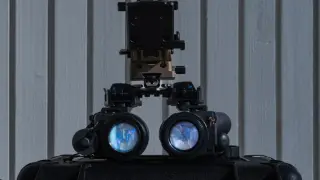
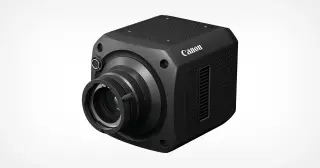
Canon unveils the MS-510, a specialized industrial camera that uses a single-photon avalanche diode (SPAD) sensor to count individual photons, delivering ultra-low-light imaging with a minimum subject illumination of 0.0006 lux for security, infrastructure monitoring, wildlife research, and long-range observation using Canon’s broadcast B4 lenses; shipping later this year for $22,800.

Artemis II Infrared Footage Highlights Liftoff Details
space1 month ago

Artemis II Infrared Footage Highlights Liftoff Details

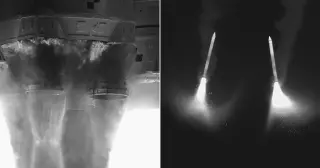
NASA released infrared imagery and Nikon DSLR photos of the Artemis II liftoff, showing the SLS rocket and Orion against a darkened sky and capturing details like booster separation. The 10-day lunar flyby mission lifted off at 6:35 p.m. EDT on April 1, 2026 from Launch Complex 39B at Kennedy Space Center, carrying crew Reid Wiseman, Victor Glover, Christina Koch, and Jeremy Hansen. The launch used a large water-deluge system to manage heat, with exhaust temperatures around 6,000°F.

The $1,400 PEMF Mat Promises Calm, Delivers Vivid Dreams and Uncertain Sleep Results
health-and-wellbeing1 month ago

The $1,400 PEMF Mat Promises Calm, Delivers Vivid Dreams and Uncertain Sleep Results

Over a week, I tested HigherDose’s $1,374 Infrared PEMF Pro Mat against a standard yoga mat, hoping for better sleep and muscle recovery. The infrared heat felt calming at first, but sleep did not improve and I woke with unusually vivid dreams. HRV data showed only small, inconclusive changes, and experts say PEMF effects are highly variable and weak compared with medical devices. In short, the mat felt like an expensive heating pad rather than a transformative wellness tool; I’d rather read a book or stretch on my rubber mat.

Astronomers Catch a Planetary Collision in Action, Leaving a Hot Debris Glow
space2 months ago

Astronomers Catch a Planetary Collision in Action, Leaving a Hot Debris Glow

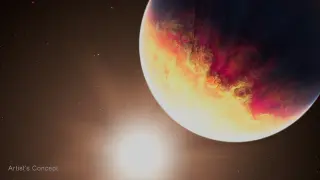
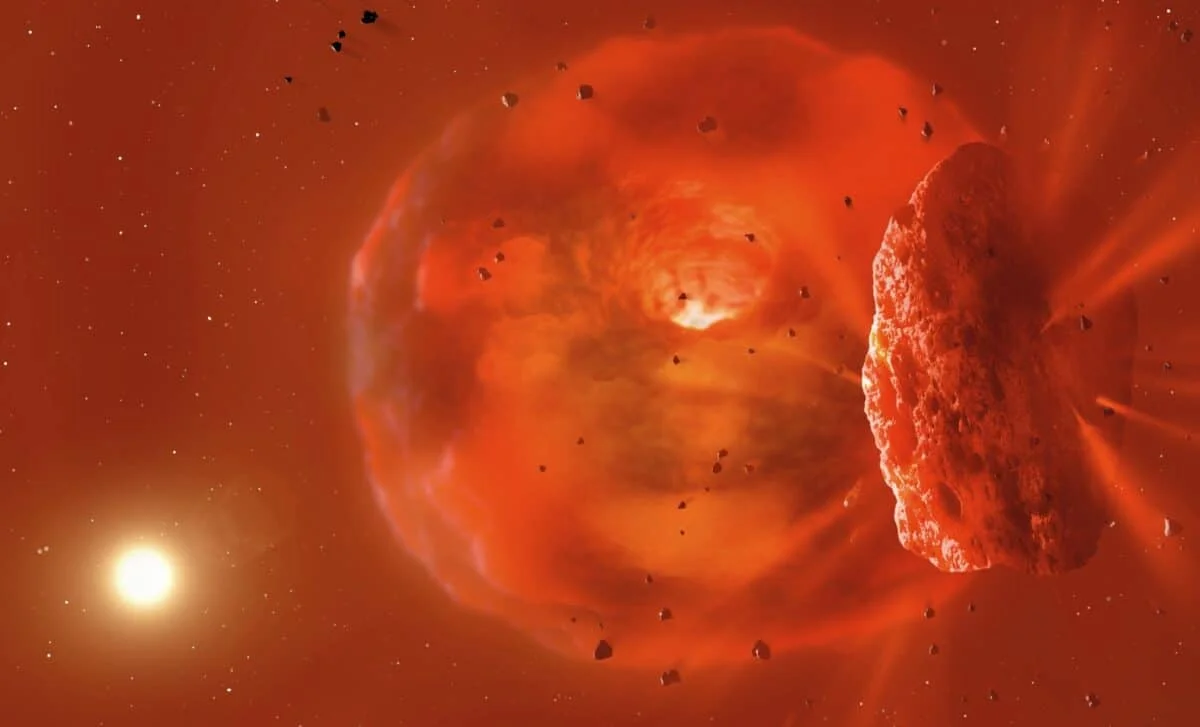
Astronomers studying Gaia20ehk (Gaia-GIC-1) observed a star whose visible light dimmed while infrared emission surged, consistent with a hot debris cloud from a recent collision between two planetesimals about 1.1 AU from the star, roughly 11,000 light-years away. The infrared glow persisted for years, offering a rare live glimpse into rocky-planet formation; future monitoring with JWST and the Rubin Observatory could reveal more such impacts.

Cosmic Crash: Distant Star Reveals Planets Colliding in Real Time
space2 months ago

Cosmic Crash: Distant Star Reveals Planets Colliding in Real Time

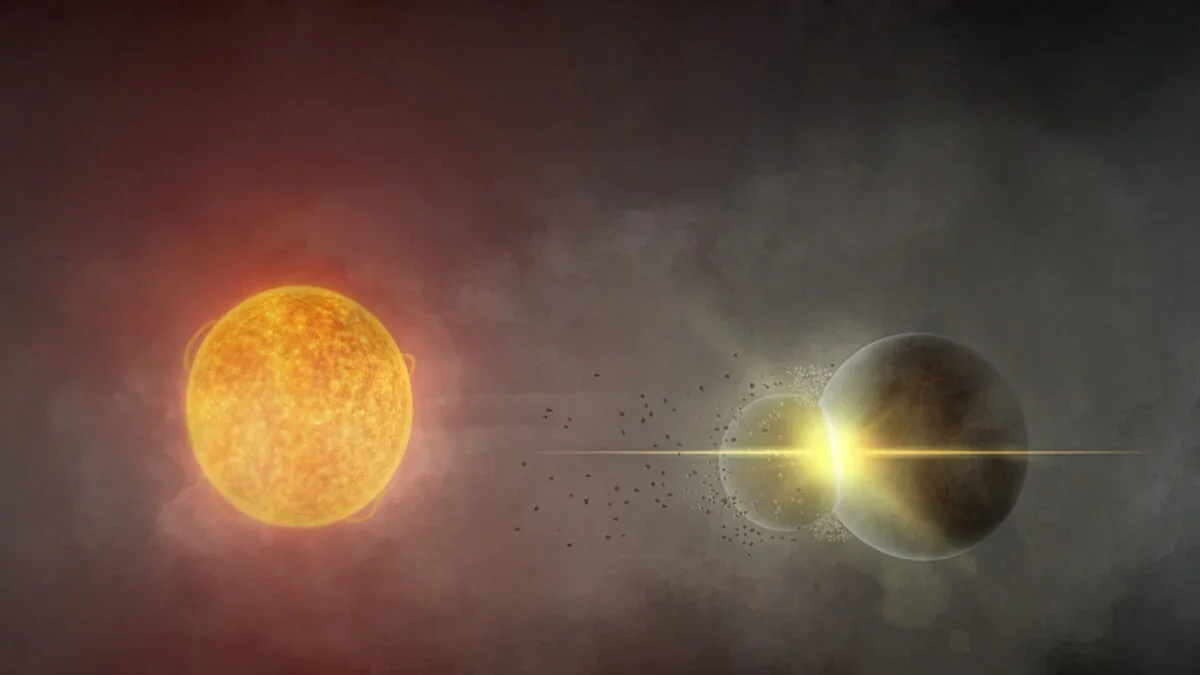
Astronomers watching the Sun-like star Gaia20ehk (about 11,000 light-years away) saw dips in visible light that coincided with infrared brightening, suggesting hot debris from a collision between two planets. The team attributes the phenomenon to a catastrophic planetary collision producing debris and heat, a rare event detected thanks to decades of data and potentially observable by the Rubin Observatory in its upcoming survey.

Distant Sun-Like Star Hints at Planet Collision
space2 months ago

Distant Sun-Like Star Hints at Planet Collision

Astronomers analyzing Gaia20ehk, a sun-like star about 11,000 light-years away, observed erratic dimming in visible light with a simultaneous infrared brightening, consistent with a violent collision between two planets that produced hot dust and debris; the event may resemble the Earth–Moon formation, and Rubin Observatory surveys could reveal many more such collisions to illuminate planetary system evolution.

Hacking the Green Wave: Reversing EVP Signals
technology2 months ago

Hacking the Green Wave: Reversing EVP Signals

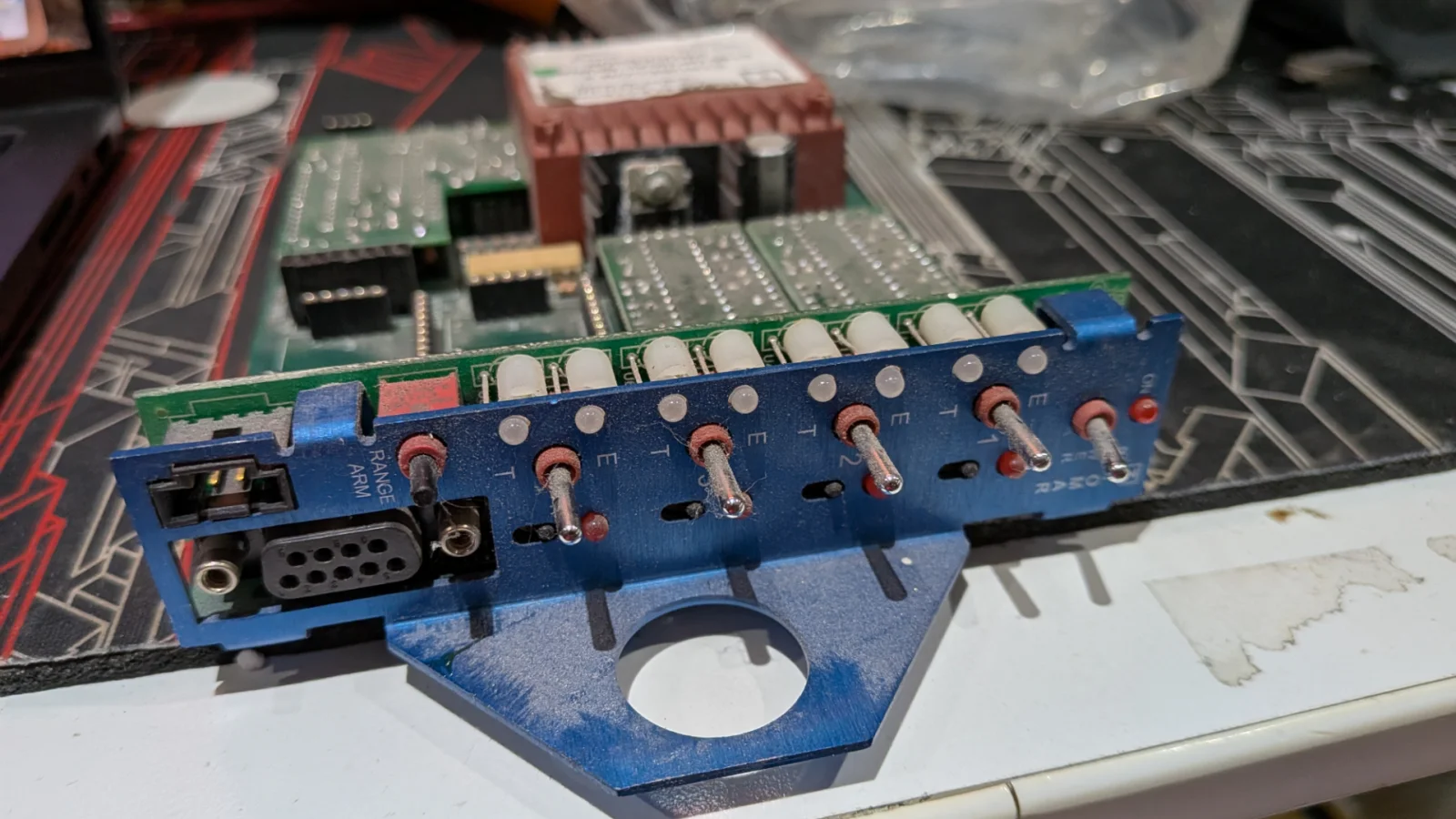
Hackaday details a reverse-engineering project showing that older optical Emergency Vehicle Preemption (EVP) systems can be spoofed. By analyzing Tomar Strobecom and Opticom hardware, the researcher demonstrated that infrared preemption signals can be replicated and, in some cases, a valid vehicle ID can be transmitted with an Arduino-based transmitter, highlighting potential security risks and stressing the legal and safety implications of attempting such exploits.

Eight beginner-friendly Flipper Zero hacks you can try today
technology2 months ago

Eight beginner-friendly Flipper Zero hacks you can try today

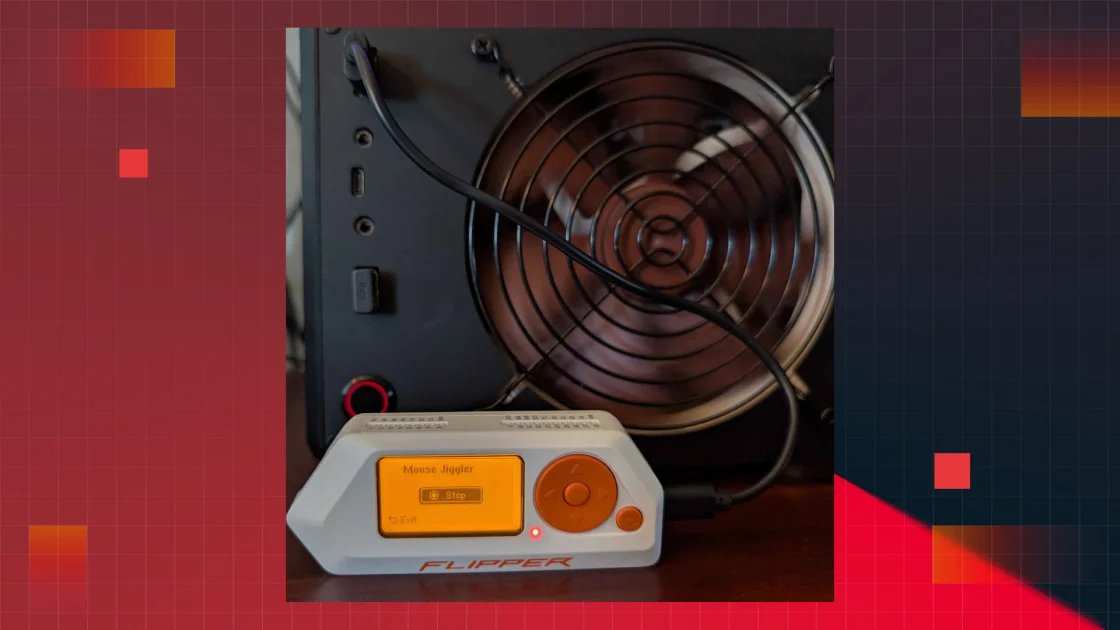
A PCMag piece by Justyn Newman outlines eight approachable Flipper Zero projects for newcomers, including learning and emulating IR remotes, backing up access cards and fobs, emulating USB/Bluetooth HID devices, PC monitoring, a mouse jiggler, NFC/Amiibo reads, microchip lookups, and testing Tesla port signals. The article emphasizes responsible use and permission, warns about potential legal or ethical issues, and suggests exploring the Flipper ecosystem and community for more ideas.

Andromeda Star Quietly Forms a Black Hole Without a Supernova
science3 months ago

Andromeda Star Quietly Forms a Black Hole Without a Supernova

Astronomers tracked a massive star in the Andromeda Galaxy (M31-2014-DS1) that brightened in infrared in 2014, then faded and effectively disappeared by 2022–2023, indicating it collapsed into a black hole rather than exploding in a supernova. The remaining dust and gas emit a long-lasting mid-infrared glow as material slowly falls back, a process driven by convection that delays accretion and explains the dimming over decades. This event, linked to a similar case (NGC 6946-BH1), supports a broader class of failed supernovae and improves understanding of how some massive stars end their lives.

Pandora Telescope Set to Reveal Secrets of Faraway Worlds by Watching Their Stars
science4 months ago

Pandora Telescope Set to Reveal Secrets of Faraway Worlds by Watching Their Stars

NASA's Pandora, a 17-inch orbital telescope launched on a SpaceX Falcon 9, will hunt for exoplanets by watching starlight for transits in infrared and visible light. In a year-long mission in a Sun-synchronous orbit, it will observe at least 20 exoplanets and their host stars, spending 24 hours per target and revisiting each star ten times to separate planetary signals from starspot noise and refine atmospheric measurements for molecules like water vapor and clouds, potentially edging closer to detecting signs of life.