The AI-driven memory surge is lifting both Micron and Sandisk: Micron posted $23.8 billion in Q2 2026 revenue with strong cash flow, while Sandisk has surged in the past year and projects multi‑billion Q4 revenue, with Micron viewed as the steadier, more mature play and Sandisk as a rapid-growth, higher‑valuation bet in the AI memory cycle.
Despite the AI boom delivering immense wealth for a few, Silicon Valley workers—engineers, middle managers, and founders—face existential dread as layoffs and the 'Great Flattening' hollow out roles, fueling questions about purpose and even prompting some to consider relocating to New York.
San Francisco’s chief economist Ted Egan says the current AI boom is unlike prior tech booms: it has drawn about 60% of US AI venture capital to SF—roughly $190 billion across 2,500 startups—while office space demand wanes (about 7.5 million square feet vacated) and tech payroll share drops from 44% to 11%. Over 30,000 tech jobs have been lost in three years, yet startups and AI funding give the city long‑term optimism. The city faces a $643 million two‑year deficit, with the mayor’s plan to cut $400 million and 127 layoffs; officials warn that budget fixes may require changes to services. While AI could boost efficiency, its tendency to hallucinate complicates government use, and recovery will hinge on population growth, transit funding, and deliberate AI deployment in city operations.
AMD stock fell about 5% after details for its Ryzen 9 9950X3D2 desktop processor were released. The new chip, a variant of the 9950X3D, ramps up L3 cache to 196MB (208MB total with L2) and is set to launch on April 22, 2026, with no price yet announced. Wall Street remains cautiously positive with a Moderate Buy consensus and a target around $285, suggesting upside despite today’s drop, aided by AI-related demand for AMD components.
Axios argues the Iran war will test but not derail the U.S. economy, which has shown resilience due to its size, diversity, and adaptability. Oil prices have risen on Hormuz threats, but the United States’ energy independence—now a net oil exporter—helps cushion volatility. Growth remains positive (about 2.7% in Q1 per the Atlanta Fed) and unemployment sits around 4.4%. The bond market continues to reward the U.S. with low borrowing costs (10-year about 4.28%), underpinned by global demand for Treasuries and the dollar’s reserve-currency status. Risks include AI-driven labor disruption and potential oil-supply shocks, but the economy otherwise maintains forward momentum amid volatility and cautious consumer sentiment.
Elon Musk tops Forbes’ 2026 World Billionaires List with an $839 billion net worth—the first person to exceed $800 billion and a potential step toward a trillionaire future—while Larry Page, Sergey Brin, Jeff Bezos and Mark Zuckerberg hold the next spots; newcomers like Dr. Dre and Beyoncé appear, and overall billionaire wealth reaches a new high driven by AI and other markets.
Fourth-quarter GDP grew slower than expected as a 16.6% drop in federal spending—part of it tied to a government shutdown and allegedly caused by Elon Musk’s DOGE-related cuts—dragged overall growth, while consumption was led by healthcare spending; housing and durable goods weakened, and non-residential investment was mixed with AI-related equipment up but other areas soft. Inflation remained stubborn at about 2.9% PCE, complicating Fed policy, and uncertainty remains over tariff policy after a court ruling and the future of the AI-driven investment boom.
AMD shares fell about 2.4% after rumors that Zen 6 CPUs (codenamed Olympic Ridge) may be delayed to 2027 due to AI-driven component shortages, though AMD still expects a 2026 release; Intel reportedly faces similar delays. Analysts rate AMD as Moderate Buy with a price target around $283.69, implying roughly 45% upside.
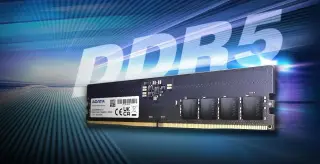
Nvidia will not release a new gaming graphics card this year due to a worsening global memory-chip shortage driven by the AI boom, marking a rare pause in its multi-decade habit of annual GPU launches.
Super Micro Computer reported fiscal Q2 adjusted earnings of $0.69 a share on revenue of $12.7 billion, up 123% year over year and ahead of expectations, as AI demand boosts server sales. The stock rose about 16% after the report, even though gross margin declined to 6.3% from 11.8% a year earlier. Guidance was solid, with expected Q3 revenue of ~$12.3 billion and earnings of $0.60 per share, signaling continued demand but ongoing margin pressure.
Global growth is forecast at about 3.3% this year and remains resilient, but the IMF warns that trade tensions and a potential AI-driven market correction could slow activity, stressing the importance of independent central banks; inflation is expected to ease and UK growth is modestly upgraded.
Investing $5,000 in long-term AI-focused tech stocks like Micron Technology, Nvidia, and Alphabet could be a wise move, as these companies are well-positioned to benefit from the ongoing AI infrastructure expansion and have demonstrated strong growth and market presence.
Nvidia is poised for significant growth in 2026 due to high demand for its data center GPUs, expansion of production capacity, return to the Chinese market, and the launch of its next-generation architecture, all of which could lead to its biggest year yet.
The article examines whether the current AI-driven stock market rally resembles a bubble, highlighting historical patterns of over-investment during technological advancements and noting the significant capital expenditures by major tech companies. While some experts see no imminent bubble, concerns remain about overvaluation and the potential impact of a market correction, especially given the heavy weighting of AI-related stocks in the S&P 500.