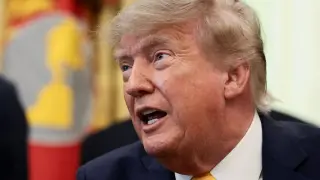
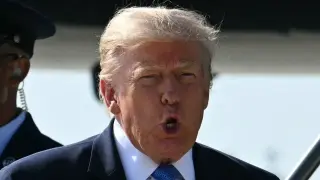
President Trump, 80, posted 37 times on Truth Social on Sunday, featuring AI-generated fantasies and aggressive graphics targeting Iran. The spree occurred amid his lowest approval rating and mounting midterm election concerns.
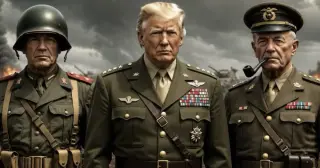
President Donald Trump faced intense criticism after posting an AI-generated image on Truth Social depicting himself as a four-star general standing between WWII icons George Patton and Douglas MacArthur. The image, posted on August 4, 2026, shows Trump wearing a uniform and medals he never earned, while inaccurately portraying the real generals with lower ranks. Critics labeled the post 'stolen valor,' noting Trump never served in the military and avoided the Vietnam draft via deferments. Snopes confirmed the post's authenticity but noted the White House did not clarify its intent.
President Donald Trump posted an AI-generated image on Truth Social depicting himself with a higher military rank than World War II legends George Patton and Douglas MacArthur. The image also shows him wearing a Medal of Honor, which he has never received. This follows reports that he considered awarding himself the medal due to a flight to Iraq, despite having no military service record.
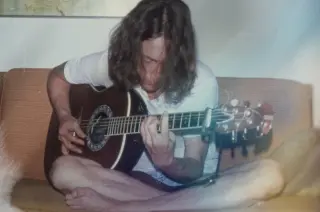
Steven Soderbergh’s Cannes doc John Lennon: The Last Interview converts the Lennon–Yoko Double Fantasy interview into a visual annotation, blending archival footage with AI-generated imagery. It offers some intimate moments but the presentation feels dull and overdependent on literal image-izing of abstract thoughts, with the AI sequences largely criticized as unnecessary and distracting. The film, which premiered at Cannes 2026 and is seeking U.S. distribution, earns a cautious Grade: C.
Heather Cox Richardson uses the Trump Mobile saga as a lens on the Trump era, arguing that the administration’s penchant for grand branding—like a gold-plated phone and AI-generated imagery—collides with costly real-world consequences: stalled energy and renewable projects, rising debt, and a protracted Iran conflict. The piece traces how the circle around Trump shifted from cautious advisers to yes-men, the political and economic fallout of tariffs, and how external events (Iran, JCPOA, Netanyahu tensions) reveal an administration unable to finish what it starts, while public sentiment and policy drift under mounting pressure.
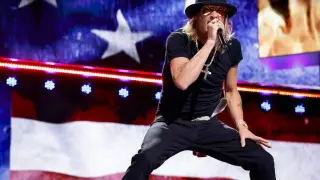
Kid Rock’s Charlotte stop on the Freedom 250 Tour was a two-hour, over-the-top multimedia party that blends country, rap-rock and nostalgia with massive visuals (giant flags, AI-generated Lincoln, Trump promo, cannons) and crowd singalongs, highlighting his skill as a showman even as politics leans into the spectacle.
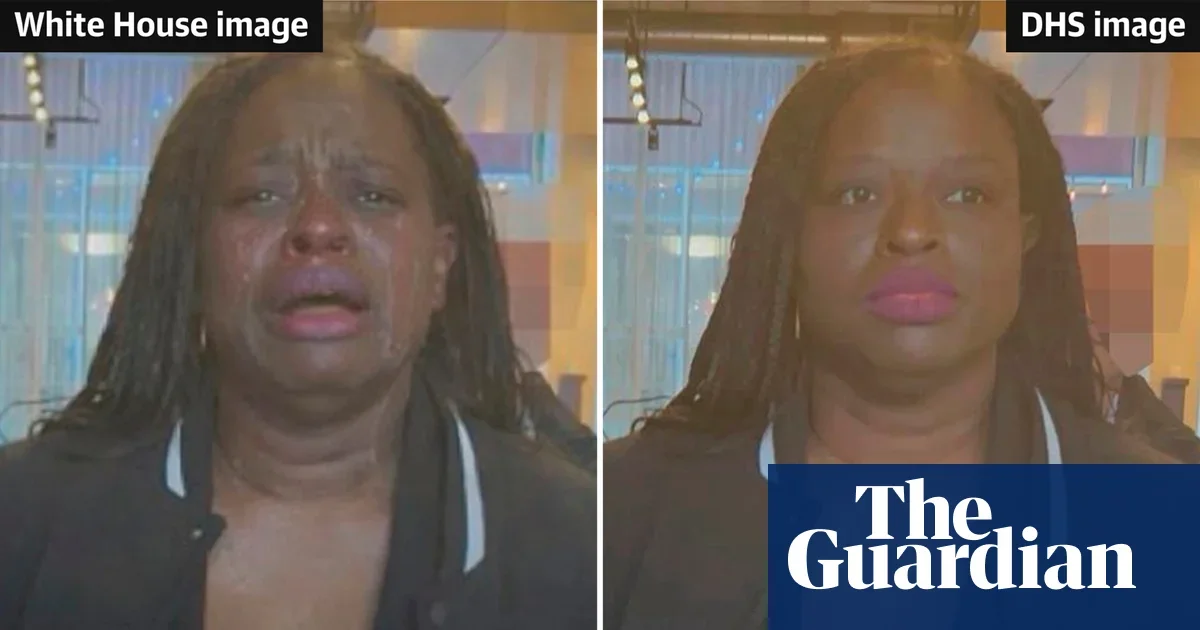
The White House posted a photoshopped image of Nekima Levy Armstrong during her arrest at a Minnesota ICE protest; Guardian analysis found the photo was altered to make her appear to cry by overlaying a different image, raising concerns about the use of manipulated imagery in official communications and online misinformation.
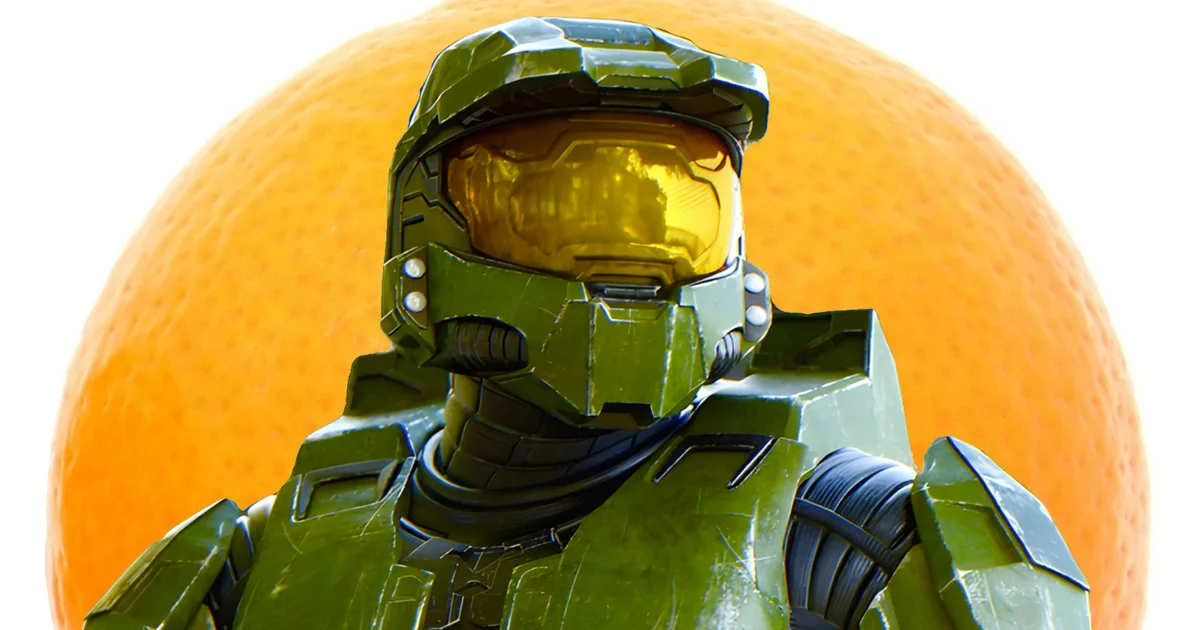
Key Halo series designers have condemned the Trump administration's use of Halo imagery to promote political causes, calling it offensive and a gross misappropriation of the game's themes, especially in the context of immigration enforcement. The use of Halo visuals by DHS to support ICE actions has sparked strong reactions from the original creators, who find the imagery deeply inappropriate and contrary to the game's intent. Microsoft has not responded to these incidents.
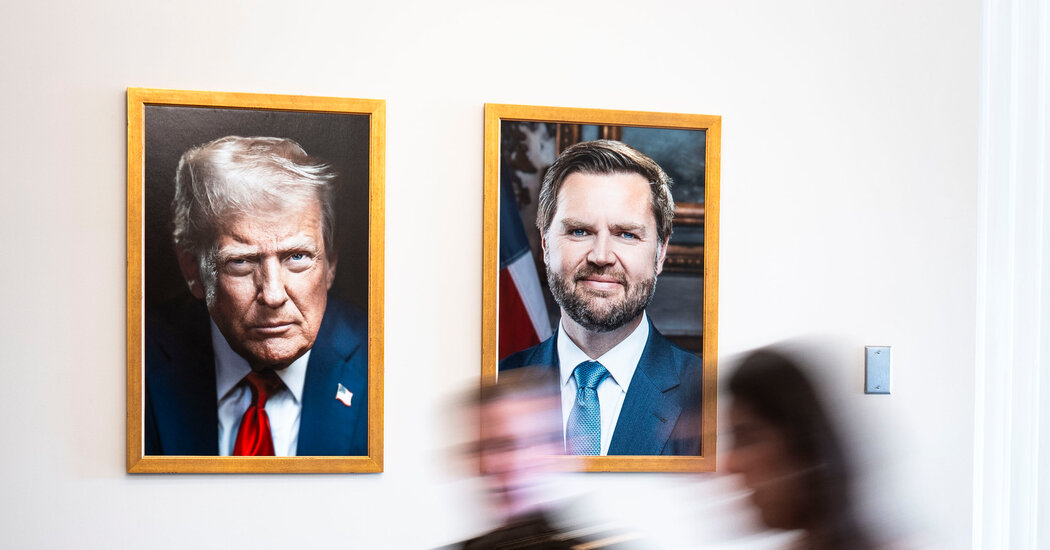
The article analyzes President Trump's new official portrait, highlighting its close-up composition, dark tone, and AI-like visual effects, reflecting a modern, tech-influenced aesthetic that contrasts with traditional presidential imagery and symbolizes a broader cultural shift.
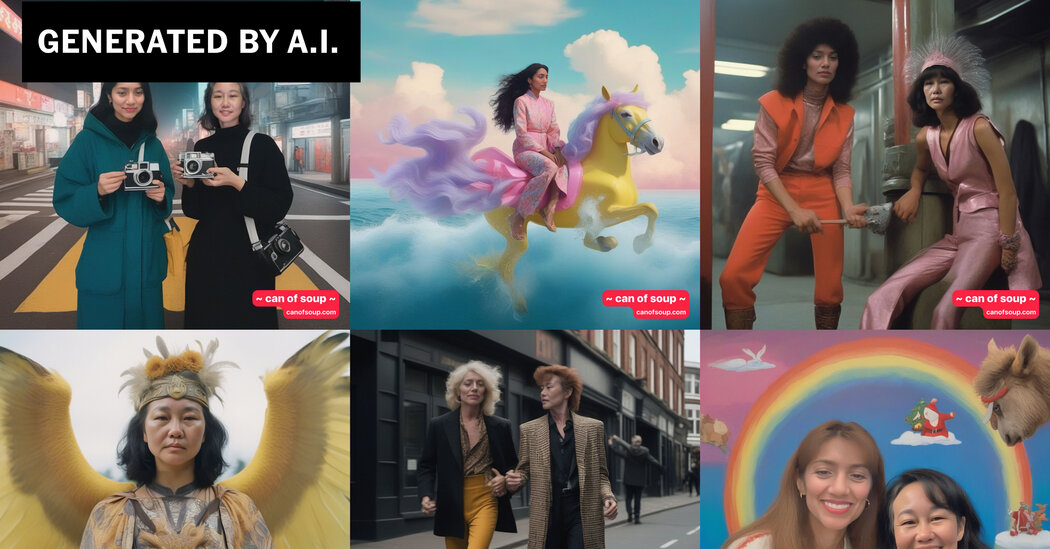
Social networking apps like Instagram, Facebook, Snapchat, and new platforms are incorporating artificial intelligence (A.I.) into their image capabilities to bring back the fun and interactivity of creating and sharing images. By using A.I. imagery, these apps aim to rejuvenate the social aspect of their platforms and encourage meaningful connections among users. Features such as A.I. selfies, image transformation filters, and A.I.-generated stickers are being introduced to make social media more engaging and whimsical. The integration of A.I. into image-sharing apps is seen as the future of social media, allowing users to interact with each other and create personalized content.