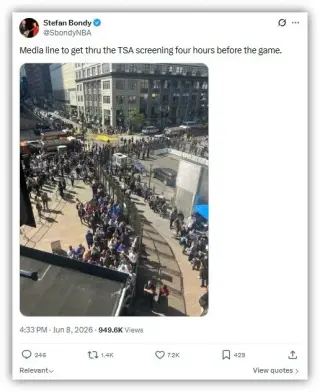
A widely circulated image claiming tanks were outside the NBA Finals arena during a Trump appearance is not authentic; the photo has been manipulated, and there is no evidence tanks were present at the event. Fact-checkers label it as misinformation.
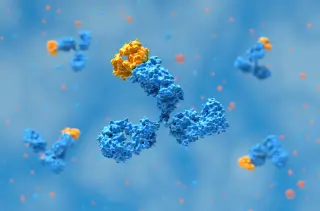
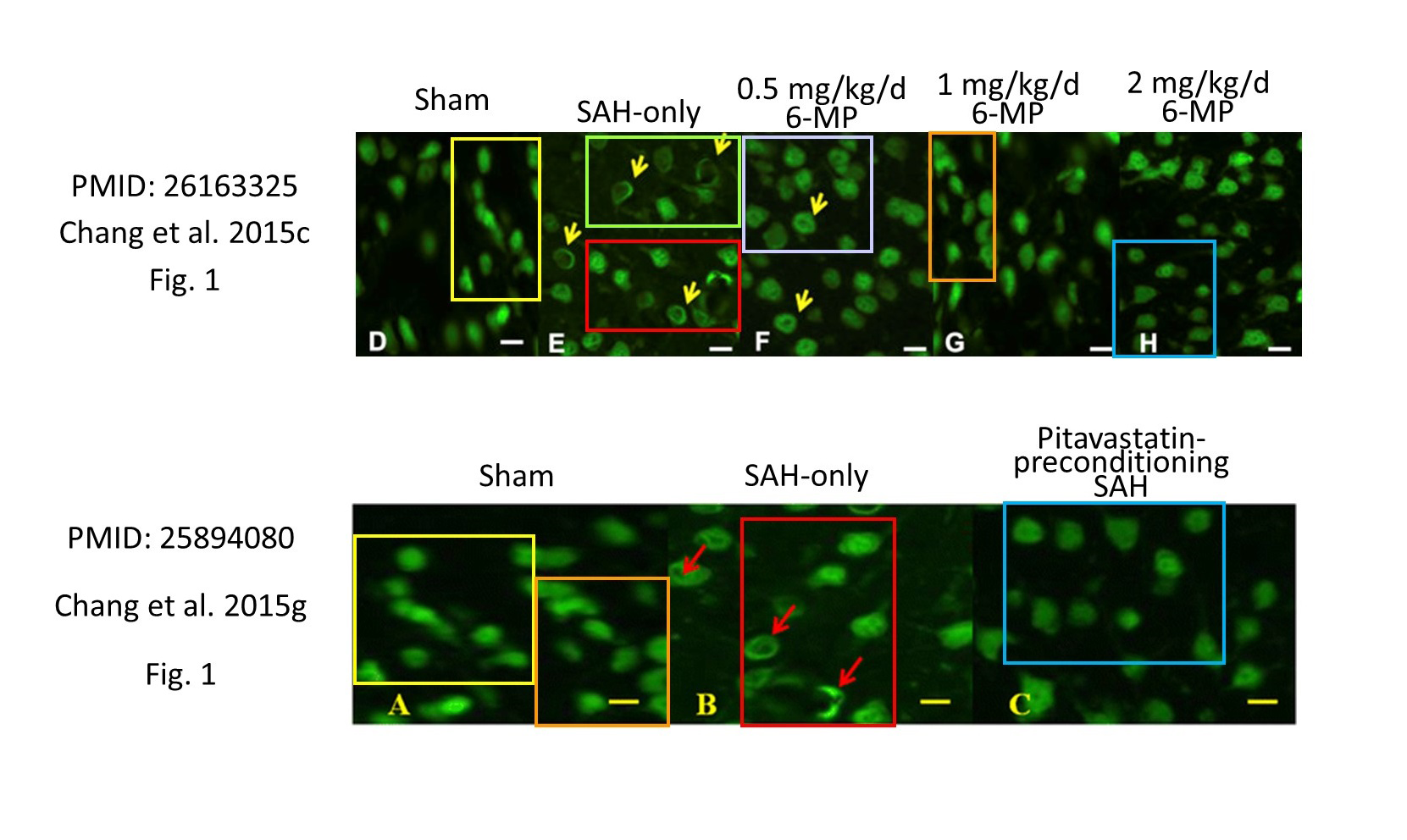
Researchers documented 127 problematic images in Thermo Fisher's antibody catalogue, finding more than 100 manipulated images—ranging from duplicated western blot bands to painted backgrounds and identical blot backdrops. The findings contribute to ongoing concerns about the reliability of commercial antibodies; Thermo Fisher says it is conducting an internal review and will inform users when images have been optimized for presentation.
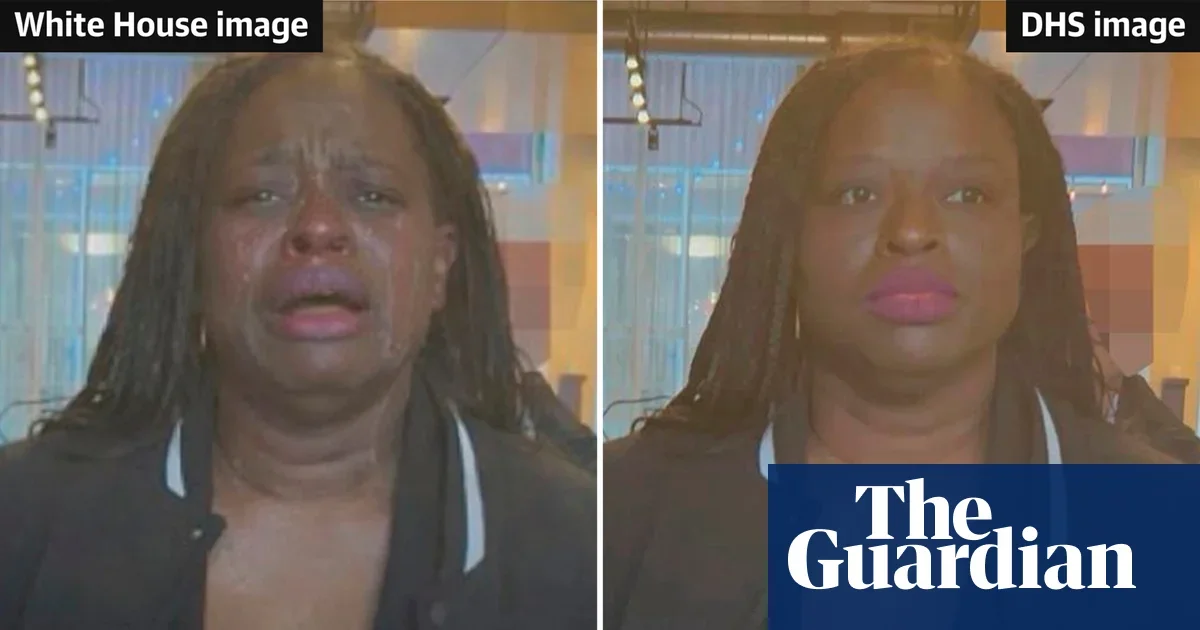
The White House posted a photoshopped image of Nekima Levy Armstrong during her arrest at a Minnesota ICE protest; Guardian analysis found the photo was altered to make her appear to cry by overlaying a different image, raising concerns about the use of manipulated imagery in official communications and online misinformation.
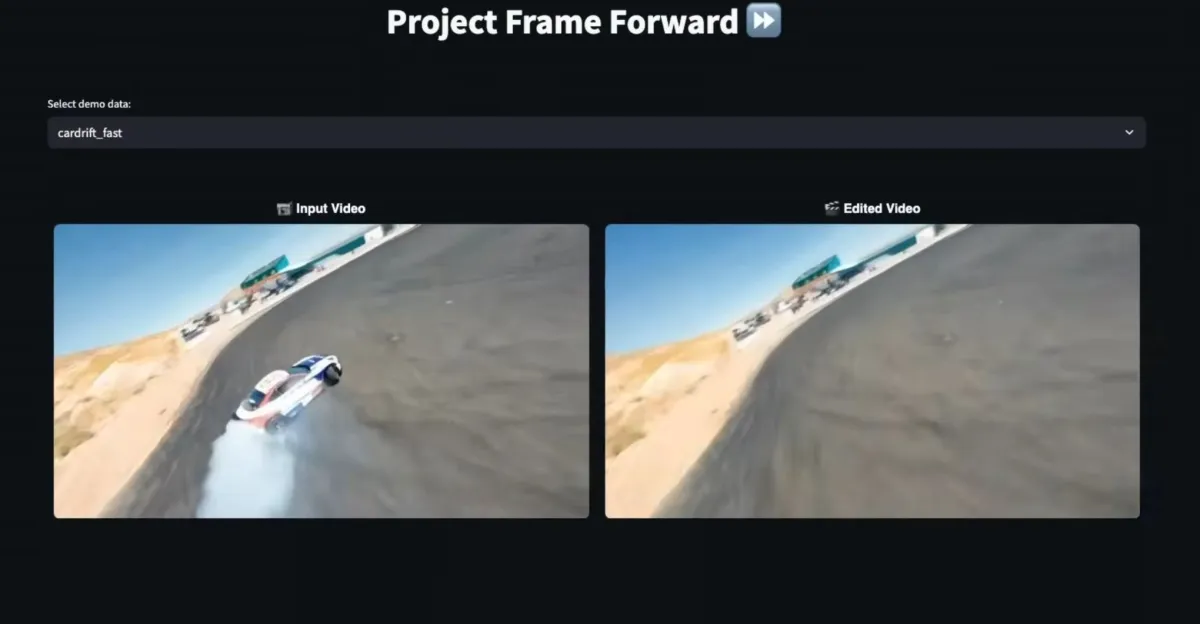
Adobe showcased experimental AI tools at its Max conference that enable intuitive video and photo editing, such as removing or adding objects across entire videos, reshaping lighting, and altering speech characteristics, with potential future integration into their Creative Cloud suite.
An analysis of over 600 animal studies on brain injury prevention revealed that more than 40% contained problematic images, including duplication and manipulation, leading to multiple retractions and corrections, with a significant number of these papers originating from Chinese institutions and published in major journals. The findings highlight widespread issues of research misconduct and the influence of paper mills in the field.
Gemini's Nano Banana AI image editor offers a user-friendly and effective way to make quick edits to images, such as removing unwanted elements, adding content, creating filters, visualizing changes, and removing reflections. While it excels in ease of use and quality for casual edits, it has limitations like low resolution and some quality issues, making it less suitable for professional photography. Compared to Adobe's tools, Nano Banana performs better in AI-based edits but lacks advanced photo editing features.
Researchers have discovered a method where hackers hide malware in images served by large language models, exploiting image downscaling techniques like bicubic interpolation to reveal hidden instructions, posing significant security risks for AI-integrated systems. Users are advised to implement layered security measures and cautious input handling to mitigate these threats.
Researchers have discovered a new AI attack that embeds hidden instructions in images through downscaling, which can lead to data theft and unauthorized actions when processed by AI systems. The attack exploits artifacts created during image resampling to hide malicious prompts that are interpreted by AI models, potentially compromising user data and system integrity. Mitigation strategies include imposing image dimension limits, providing preview feedback, and requiring user confirmation for sensitive operations. The researchers also released an open-source tool to demonstrate the attack.
The prestigious Dana-Farber Cancer Institute has retracted seven studies following allegations of image manipulation and errors by a scientist blogger. The controversy has raised questions about scientific integrity and the pressures in research that could lead to misconduct. The retractions, primarily focused on multiple myeloma research, have prompted concerns about the impact on the field and the reputation of the institute. The episode highlights ongoing debates about scientific integrity and the need for swift action to correct the scientific record.
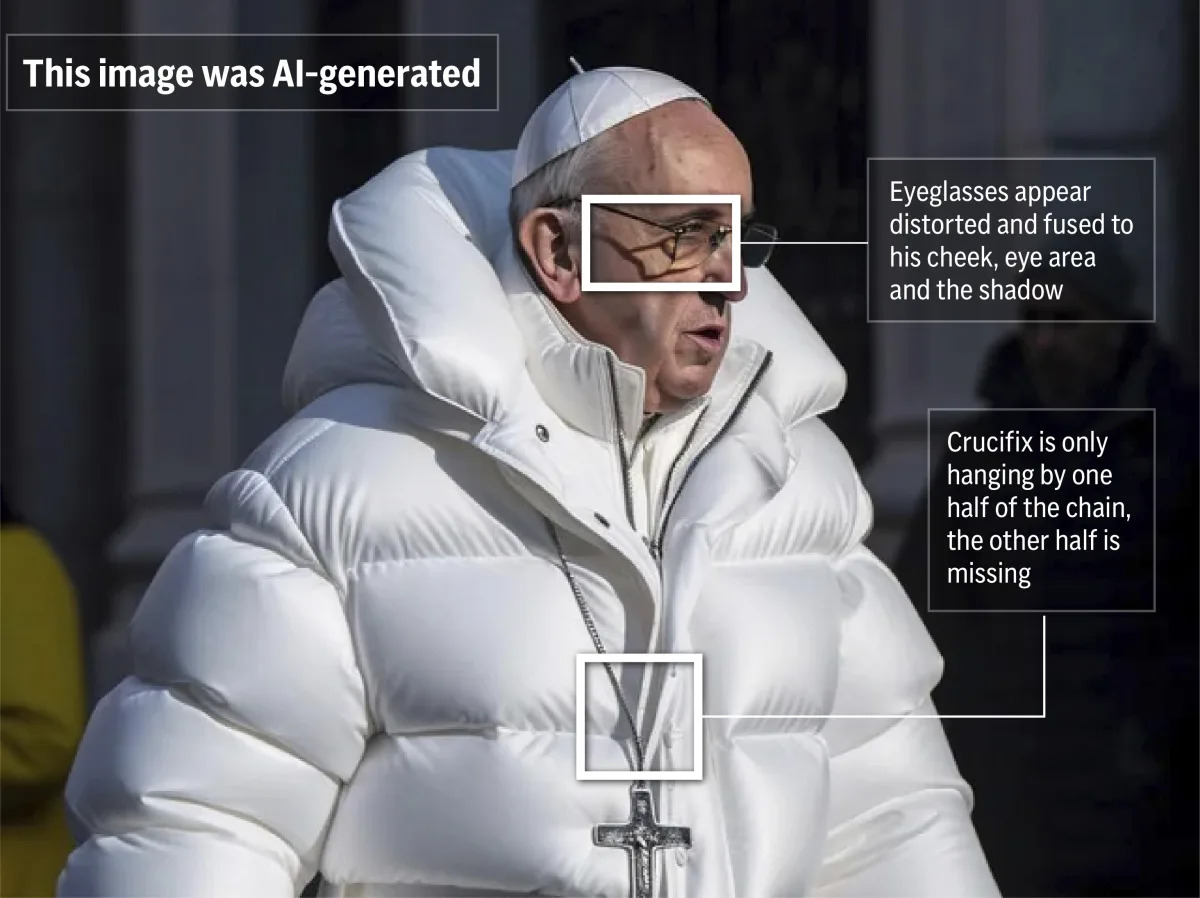
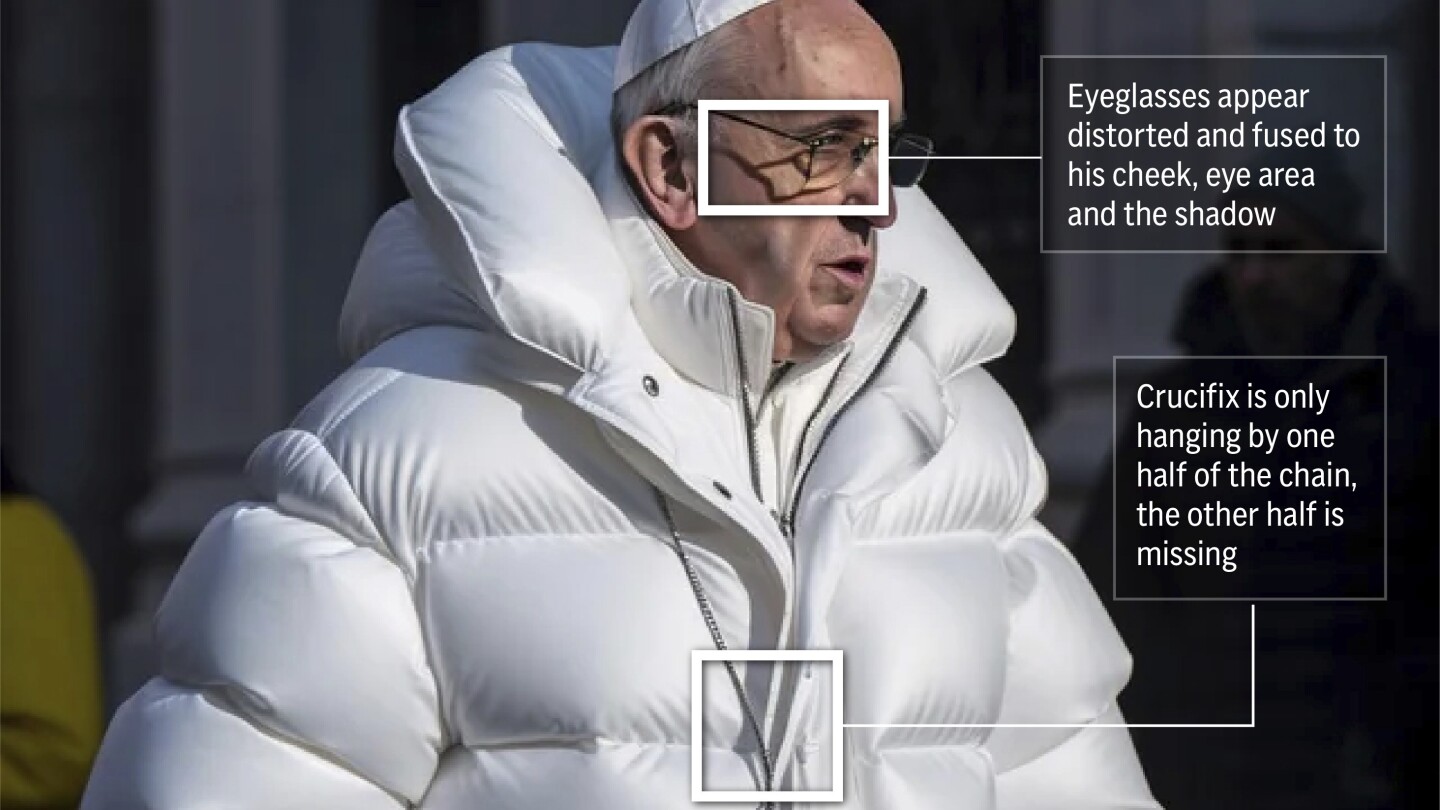
The rise of AI deepfakes presents a growing challenge in discerning real from fake content online. While early deepfakes had obvious errors, advancements in AI have made detection more difficult. Tips for spotting deepfakes include examining for an electronic sheen, checking the consistency of shadows and lighting, scrutinizing facial features for inconsistencies, and considering the plausibility of the content. Additionally, using AI tools like Microsoft's authenticator and Intel's FakeCatcher can help analyze photos and videos for manipulation. However, the rapid advancement of AI poses a challenge, and experts caution against relying solely on detection tools as the technology continues to evolve.
AI-generated deepfake images are becoming increasingly prevalent, posing significant challenges in discerning real from fake content. While early signs of manipulation, such as unnatural features or inconsistent lighting, may still be present, advancements in AI technology have made it more difficult to detect deepfakes. Experts recommend examining details like facial skin tone and lip movements, considering the plausibility of the content, and utilizing AI tools like Microsoft's authenticator and Intel's FakeCatcher to identify manipulated images. However, the rapid advancement of AI models presents hurdles in reliably detecting deepfakes, raising concerns about placing the burden on individuals to identify them.
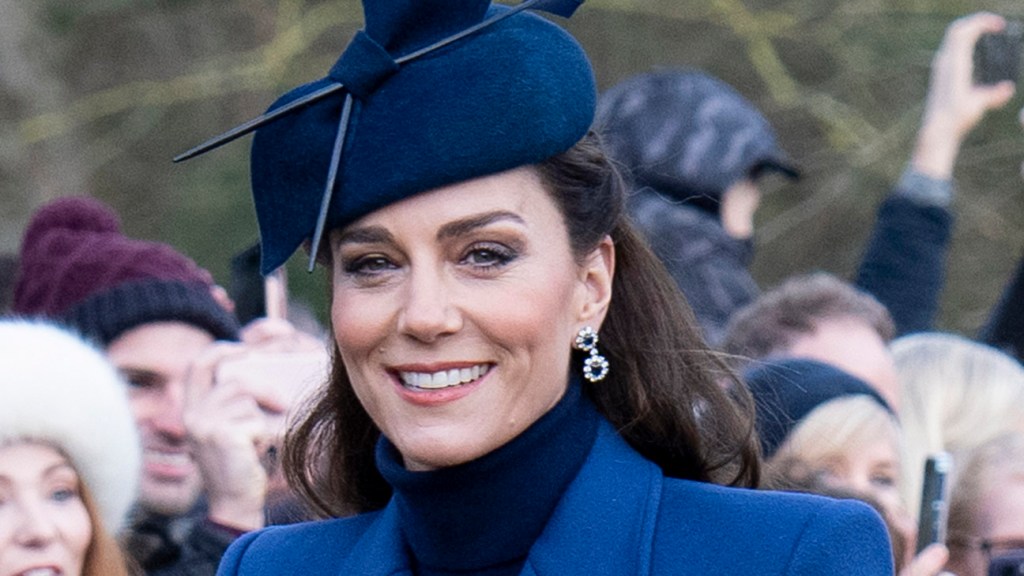
Video footage of Kate Middleton walking with Prince William near Windsor Castle has helped dispel health rumors, but skepticism remains as the Palace has yet to verify or comment on the video. Speculation has now shifted to a second image shared by Middleton in 2022 that has been deemed altered. The ongoing rumors and conspiracy theories about Middleton's health and whereabouts during her recovery from surgery have sparked widespread speculation and scrutiny, with even a photo manipulation controversy adding to the media frenzy. Despite the video evidence, Middleton continues to face renewed scrutiny in the press, with a recent image she shared in 2023 also being deemed manipulated by Getty Images.
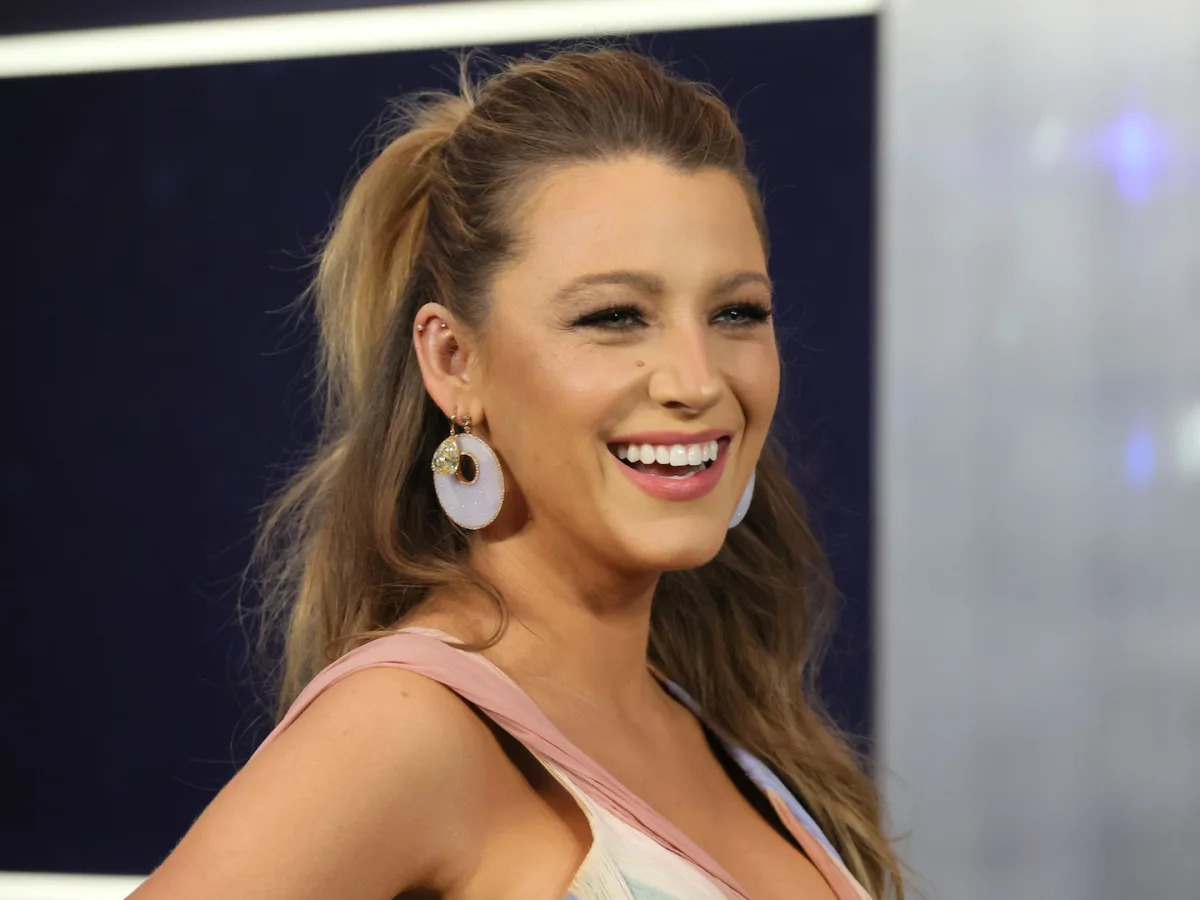
Blake Lively playfully poked fun at the recent Kate Middleton Photoshop scandal by sharing a photoshopped image of herself on Instagram, promoting her new drink line while highlighting the absurdity of perfection in the public eye. The post sparked a discussion on the pressures of maintaining an impeccable facade in the digital age and the need for authenticity online, emphasizing the ethical considerations surrounding image manipulation and the impact of social media on self-image.
The release of a manipulated photo of Kate Middleton and her children has sparked a conversation about the prevalence of photo editing and the potential impact on public trust. While image manipulation is not new, advancements in AI-powered editing tools have made it increasingly difficult to identify altered images. Companies like Samsung and Adobe are working on ways to verify the authenticity of photos, but the integration of AI into image editing poses challenges, particularly in the political landscape where manipulated images can be used for misinformation campaigns.
The release of a family photo of Kate Middleton and her children has sparked controversy and raised concerns about online trust, as major news agencies have stopped using the image over suspicions of manipulation. The widespread availability of AI image-generating tools has made it increasingly difficult to distinguish between real and fake content online, leading to a growing erosion of trust and common understanding. With imperfect detection tools and the rapid development of AI, users are urged to seek their own verification before trusting online content.