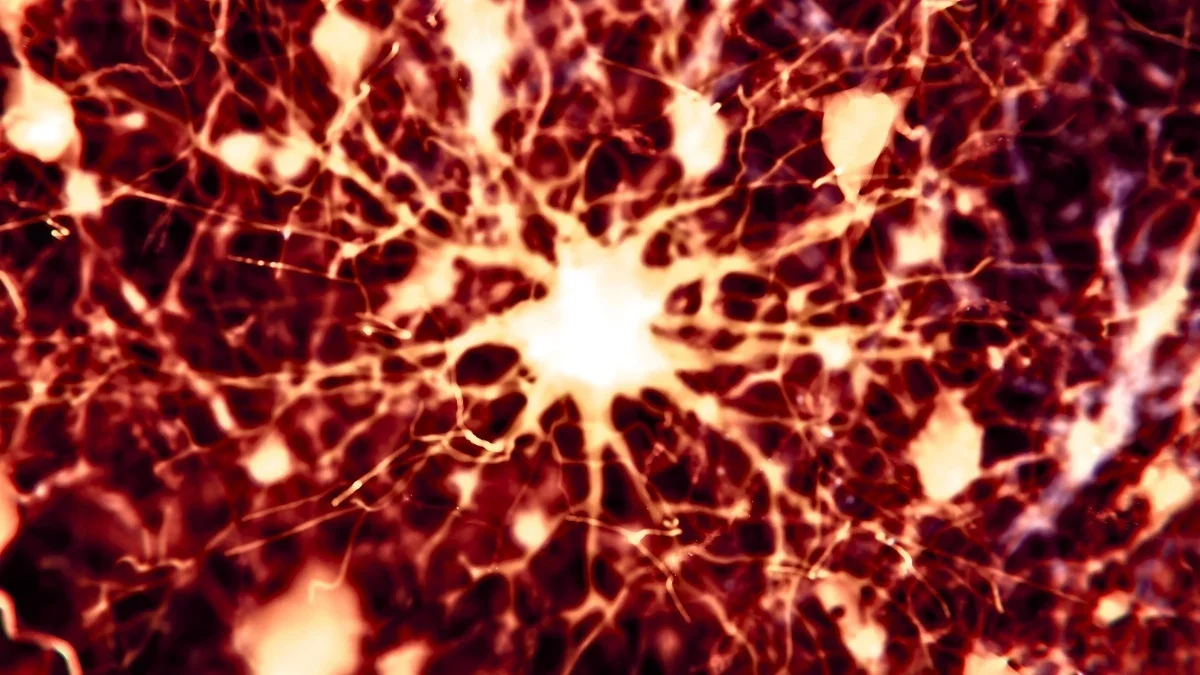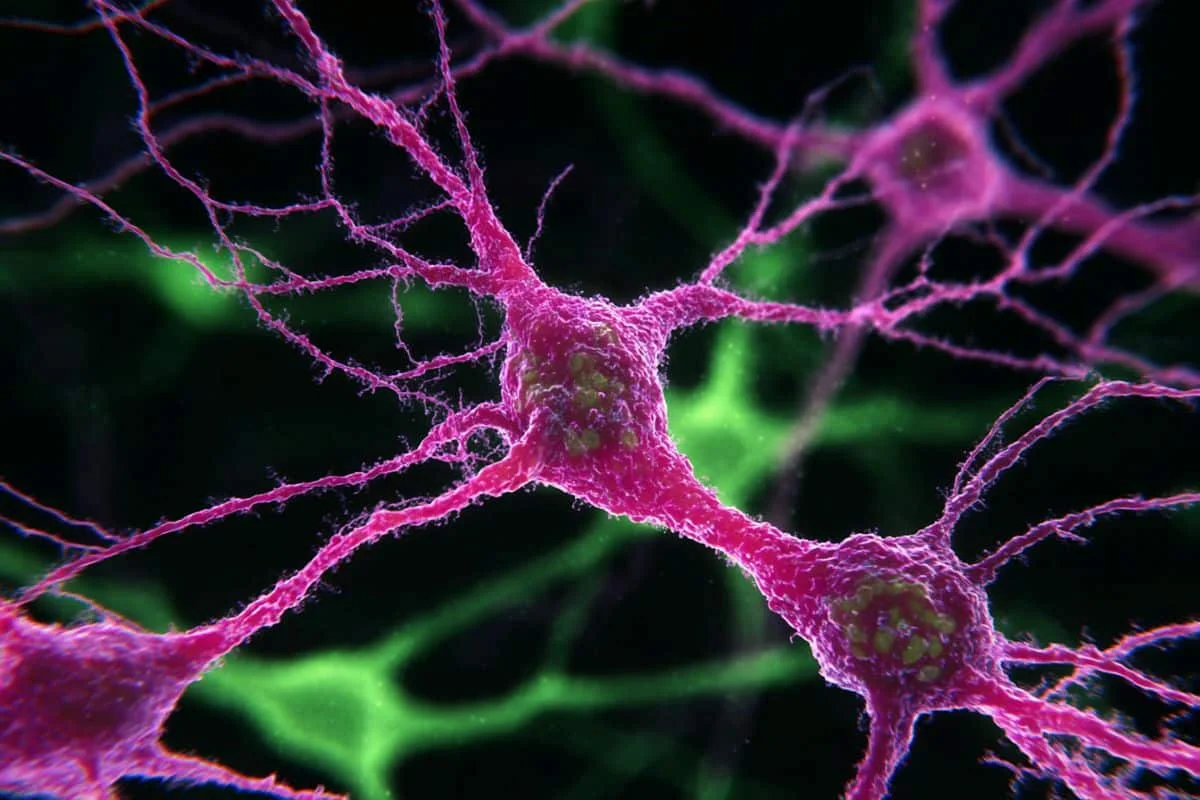
Yale researchers used larval zebrafish to map how 774 FDA-approved drugs affect behaviors tied to autism-risk genes, building an open database of 520 compounds and identifying levocarnitine as a top rescuer for SCN2A and DYRK1A mutations; they validated the effect in human stem-cell–derived neurons, laying groundwork for precision, gene-targeted drug discovery in autism.
Every Cure, founded by Dr. David Fajgenbaum, uses AI to scan existing drugs for new uses across thousands of rare diseases, pursuing a disease-agnostic approach that links patients with potential treatments rather than funding specific conditions; after early fundraising hurdles, it gained major support from the Chan Zuckerberg Initiative, Lydia Hill Foundation, Flagship Pioneering, Arnold Ventures, TED’s Audacious Project, and ARPA-H, enabling 10 active programs and a goal of 15–25 diseases treated by 2030. The AI process cuts screening time from 100 days to about 17 hours, evaluating roughly 4,000 drugs against 18,000 diseases (about 75 million matches) before a medical team selects candidates for lab work and trials costing roughly $3–7 million per drug. A recent success example is Bachmann-Bupp syndrome, where an old drug produced meaningful improvements in five of six treated patients. Fajgenbaum stresses repurposing complements novel drug development, though patent life, manufacturing, FDA/insurance hurdles, and off-label prescribing shape the path to patient access.
AI is speeding up drug discovery by screening millions of compounds to find new antibiotics against drug-resistant bacteria such as Neisseria gonorrhoeae and MRSA, and by identifying potential Parkinson's therapies through machine learning. The technology is also repurposing existing drugs for rare diseases and creating virtual disease models to test treatments, potentially slashing development time and costs—though validation, data access, and the long path to clinical use remain significant hurdles.
A Brighton emergency physician, Prof Rob Galloway, launches Rare People - The Research Charity after his daughter Frankie is diagnosed with the ultra-rare DeSanto Shinawi syndrome. The charity will fund clinical trials of repurposed medicines identified by artificial intelligence to treat rare genetic brain disorders, inspired by Mayo Clinic cell studies suggesting possible benefit from an epilepsy drug. The aim is to include UK children in trials and, eventually, expand to adults, with support from Brighton & Hove Albion FC at the launch.
A Delphi-consensus by 21 experts named sildenafil (Viagra), Zostavax, and riluzole as the leading repurposed drug candidates for Alzheimer's prevention and treatment, highlighting their potential mechanisms and the need for rigorous clinical trials before any approved use.
An international panel reviewed 80 existing drugs and identified the shingles vaccine (Zostavax), Viagra (sildenafil), and riluzole as the top repurposing candidates for Alzheimer's, with the vaccine showing the strongest signal and a push for large clinical trials to confirm benefit.
A panel of researchers identified three approved medicines with potential to prevent or treat Alzheimer’s disease: the shingles vaccine (Zostavax), sildenafil (Viagra), and riluzole. These drugs target relevant Alzheimer’s mechanisms, have safety profiles suitable for older adults, and show promising results in cell/animal studies, prompting calls for robust clinical trials to determine true benefit and establish whether they can slow or prevent dementia.
Decades-old DFMO (eflornithine), an inhibitor of the ODC1 enzyme, is being explored as a therapy for Bachmann-Bupp syndrome, an ultra-rare neurodevelopmental disorder. Early use in a handful of patients—some via FDA-approved single-patient protocols—has shown symptom improvements. A collaboration among Corewell Health, Michigan State University, and Every Cure aims to build preclinical data and streamline regulatory paths toward a formal clinical trial, addressing awareness, study design, and endpoints. With about 20 cases identified worldwide, the group plans a preclinical study next year to bolster evidence and help bring potential DFMO therapy to more patients.
The hypertension drug rilmenidine has been shown to extend lifespan and slow aging in worms and mice by mimicking caloric restriction effects, with potential implications for human health, pending further research.
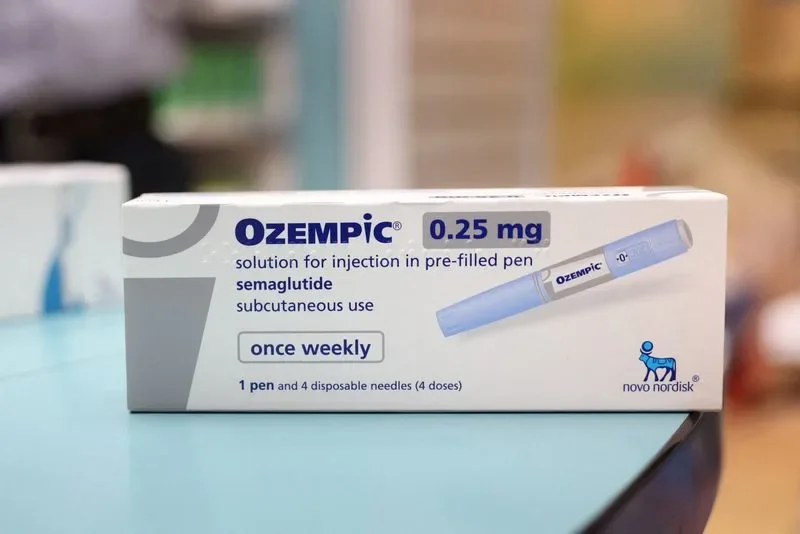
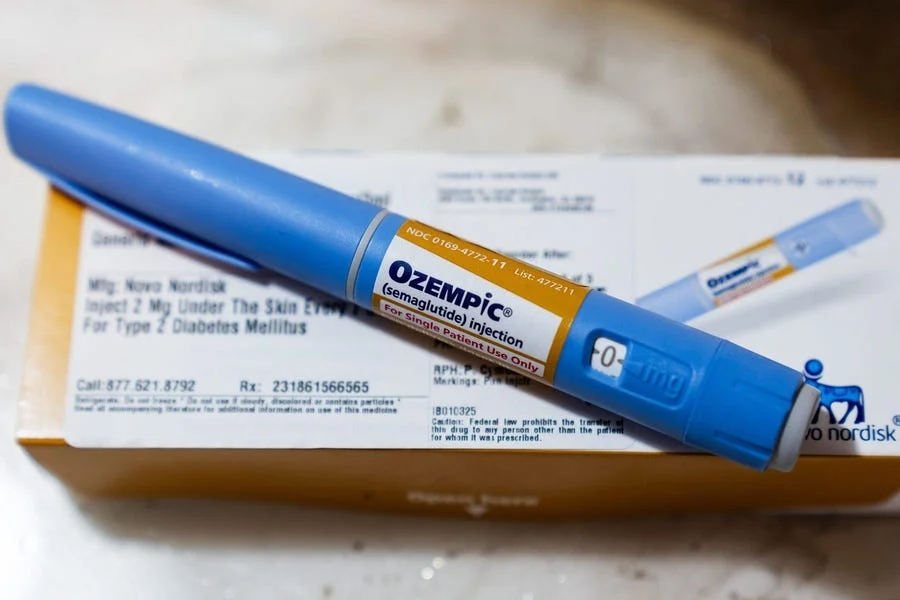
Research suggests that blockbuster obesity drugs like semaglutide may have potential in treating addiction by acting on brain pathways related to reward and craving, with ongoing clinical trials exploring their efficacy for alcohol, nicotine, and opioid dependence, potentially revolutionizing addiction medicine.
Scientists in Japan found that the existing drug arginine, used for high blood pressure, can reduce amyloid-beta plaques and improve cognitive function in mice with Alzheimer's-like symptoms, suggesting potential for repurposing as a treatment, though human trials are needed.
Scientists have identified two existing cancer drugs, letrozole and irinotecan, that can reverse brain damage associated with Alzheimer's in mice, showing promise for future clinical trials and potential treatment options for humans.
Researchers at UCSD have identified the existing drug Thiorphan as a potential treatment to regenerate nerve cells in the spinal cord, showing promising results in animal models and human neuron studies, which could lead to new therapies for paralysis in the future.
A large-scale genetic study identified 220 loci linked to substance use disorders across European, African, and American populations, revealing shared genes active in brain regions involved in emotion, memory, and reward, and suggesting potential for personalized risk assessment and drug repurposing for treatment.
Researchers at the University of Barcelona found that the existing drugs pemafibrate and telmisartan, used separately and together, significantly reduce fat buildup in animal models of fatty liver disease, suggesting a potential new treatment approach, though human trials are still needed.