Ukraine is boosting defenses along its northern border with Belarus amid concerns that Minsk could be used as a launchpad for a new Russian offensive in Ukraine, reflecting heightened regional security tensions.
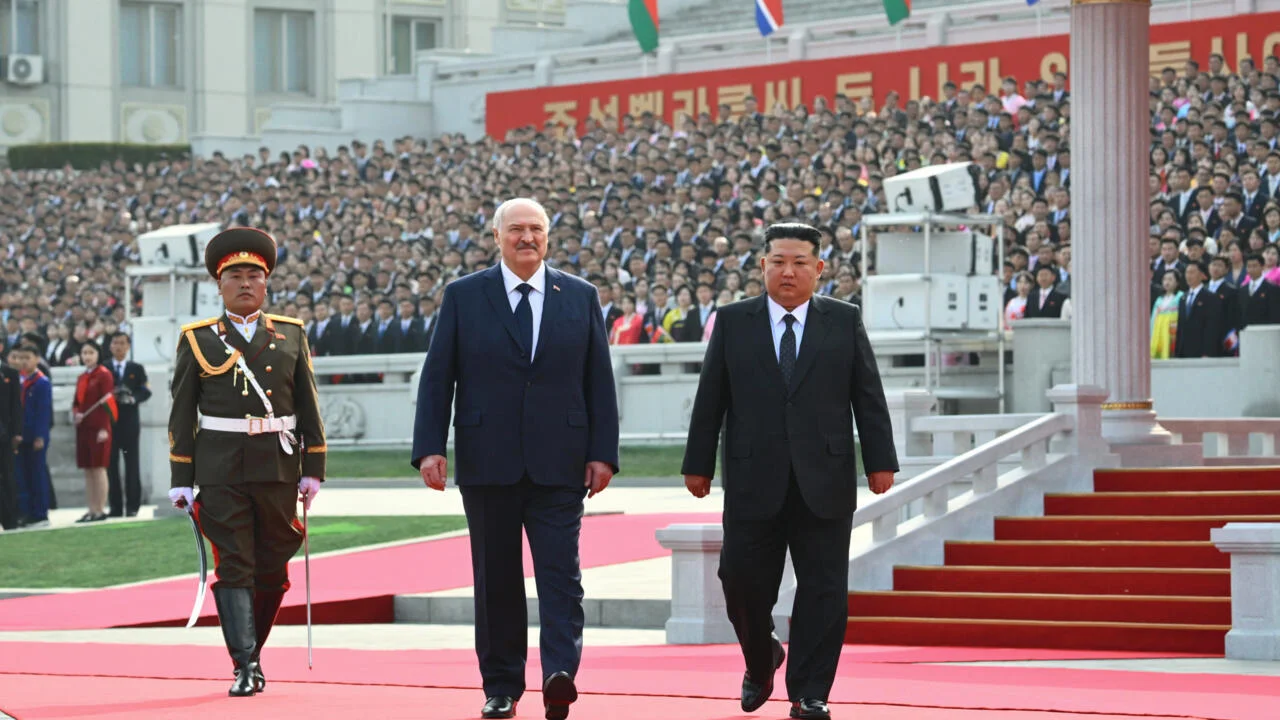
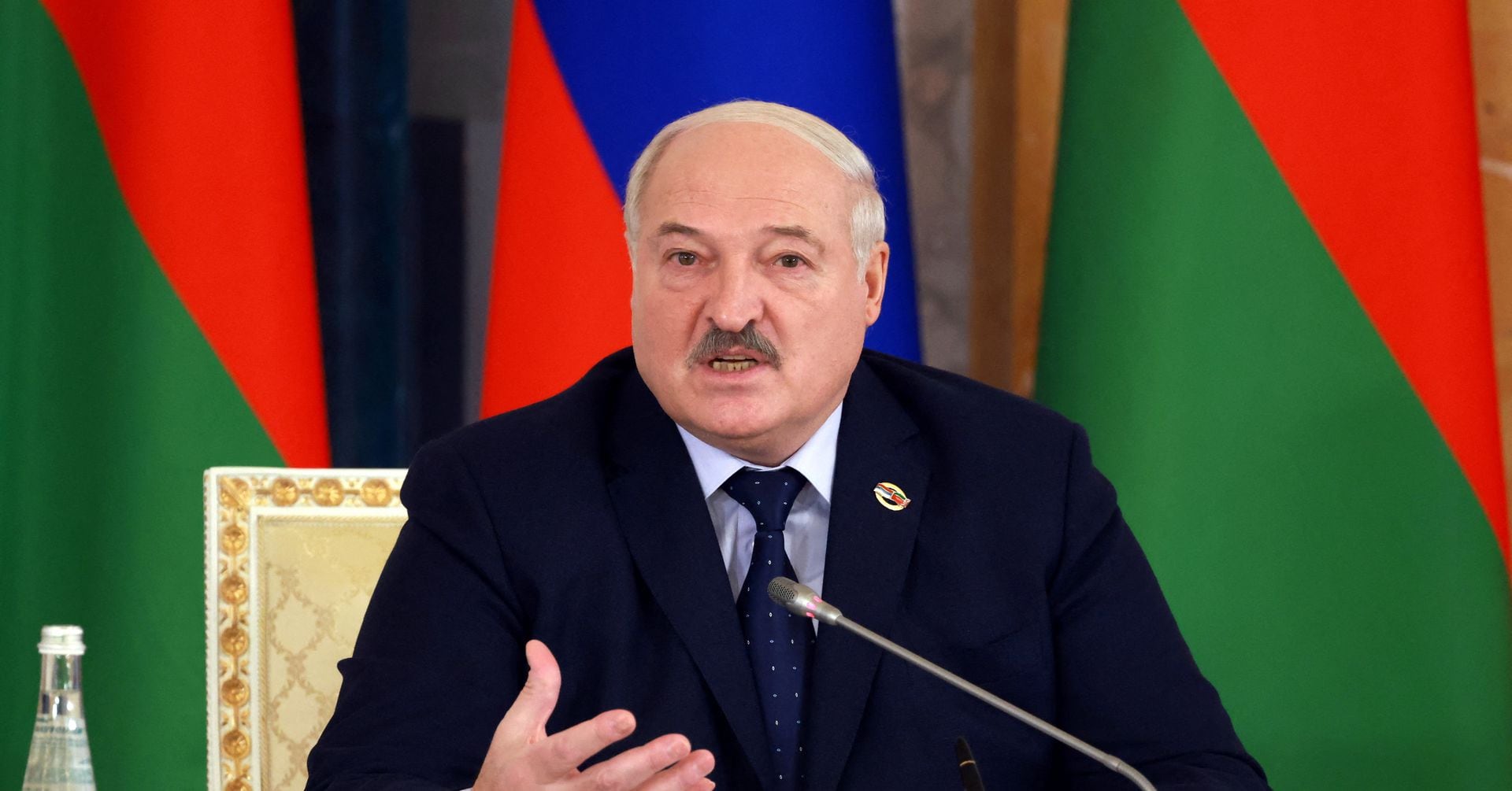
Belarusian President Alexander Lukashenko visited North Korea, where he was greeted by Kim Jong Un and the two leaders signed a friendship and cooperation treaty, underscoring closer Moscow-aligned ties as both nations back Russia’s war in Ukraine despite Western sanctions and rights concerns.
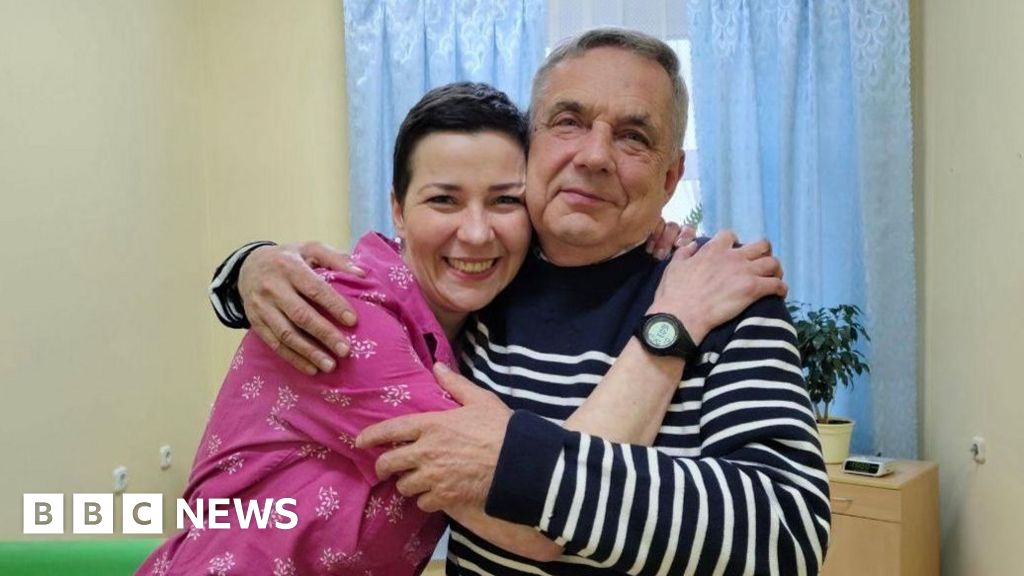
Belarusian opposition activist Maria Kolesnikova, imprisoned for over 600 days, was recently allowed a visit from her father, marking her first contact with family since her arrest. Kolesnikova, known for her role in the 2020 protests against President Alexander Lukashenko, was sentenced to 11 years for extremism. Her sister expressed disbelief and concern for her health, while opposition figures like Svetlana Tikhanovskaya called for continued pressure to release political prisoners. Lukashenko's recent pardons are seen as attempts to improve his image ahead of a controlled election.
Belarusian leader Alexander Lukashenko contradicted the Kremlin's claims about the Moscow concert hall attack, stating that the suspected assailants initially tried to flee to Belarus, not Ukraine. This undermines Russian President Vladimir Putin's assertions and the Kremlin's narrative that Ukraine was behind the attack. The Islamic State has claimed responsibility for the massacre, but Russian officials have accused Ukraine without providing evidence. The conflicting statements from top Russian officials and Lukashenko's revelation indicate a struggle to maintain a consistent narrative, highlighting intelligence and law enforcement failures.
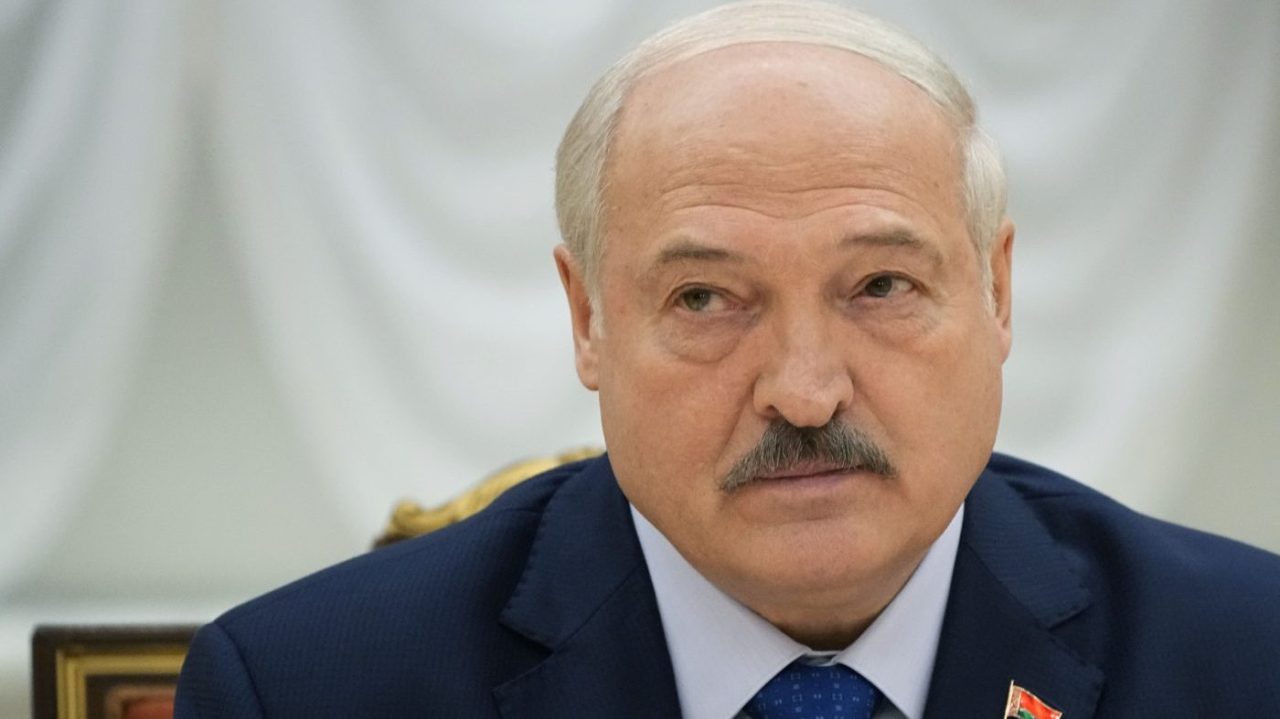
Belarusian President Alexander Lukashenko has announced his intention to run for president again in 2025, stating that no responsible president would abandon his people. Lukashenko, who has been in power since 1994 and is a close ally of Russian President Vladimir Putin, made the announcement after voting in parliamentary and local council elections. He also acknowledged that the situation could change in the year leading up to the election and that he and society would react accordingly.
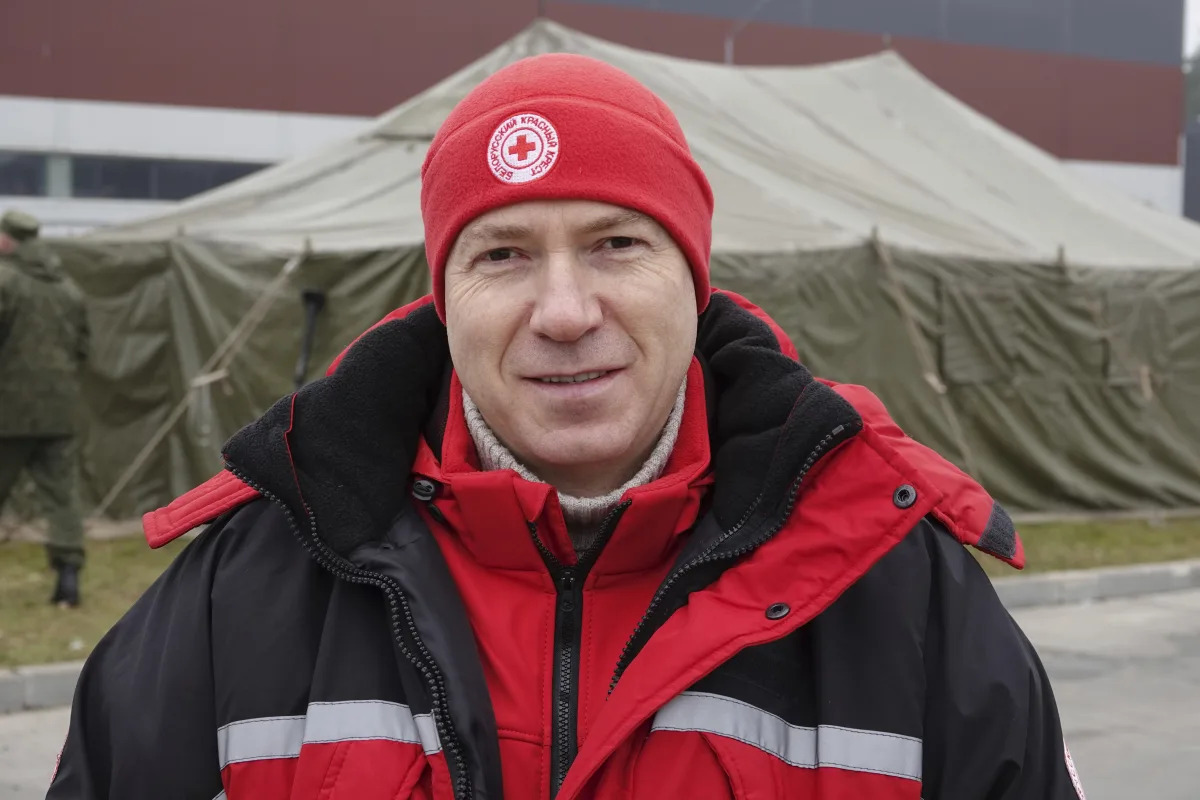
The Belarus Red Cross is considering a call by the international Red Cross to remove its chief, Dzmitry Shautsou, for violating rules on neutrality and integrity. Shautsou previously made headlines for boasting about ferrying children from Russian-occupied Ukraine to Belarus. Meanwhile, Belarusian authorities showed a group of Ukrainian children to foreign diplomats, sparking criticism from Ukrainian officials and human rights groups. The transfers are seen as illegal removals, and it is unclear if they were carried out with parental consent. The international Red Cross has given the Belarus chapter until November 30 to dismiss Shautsou or face suspension. The Belarusian opposition has called for President Alexander Lukashenko and others involved in the transfers to be held accountable.
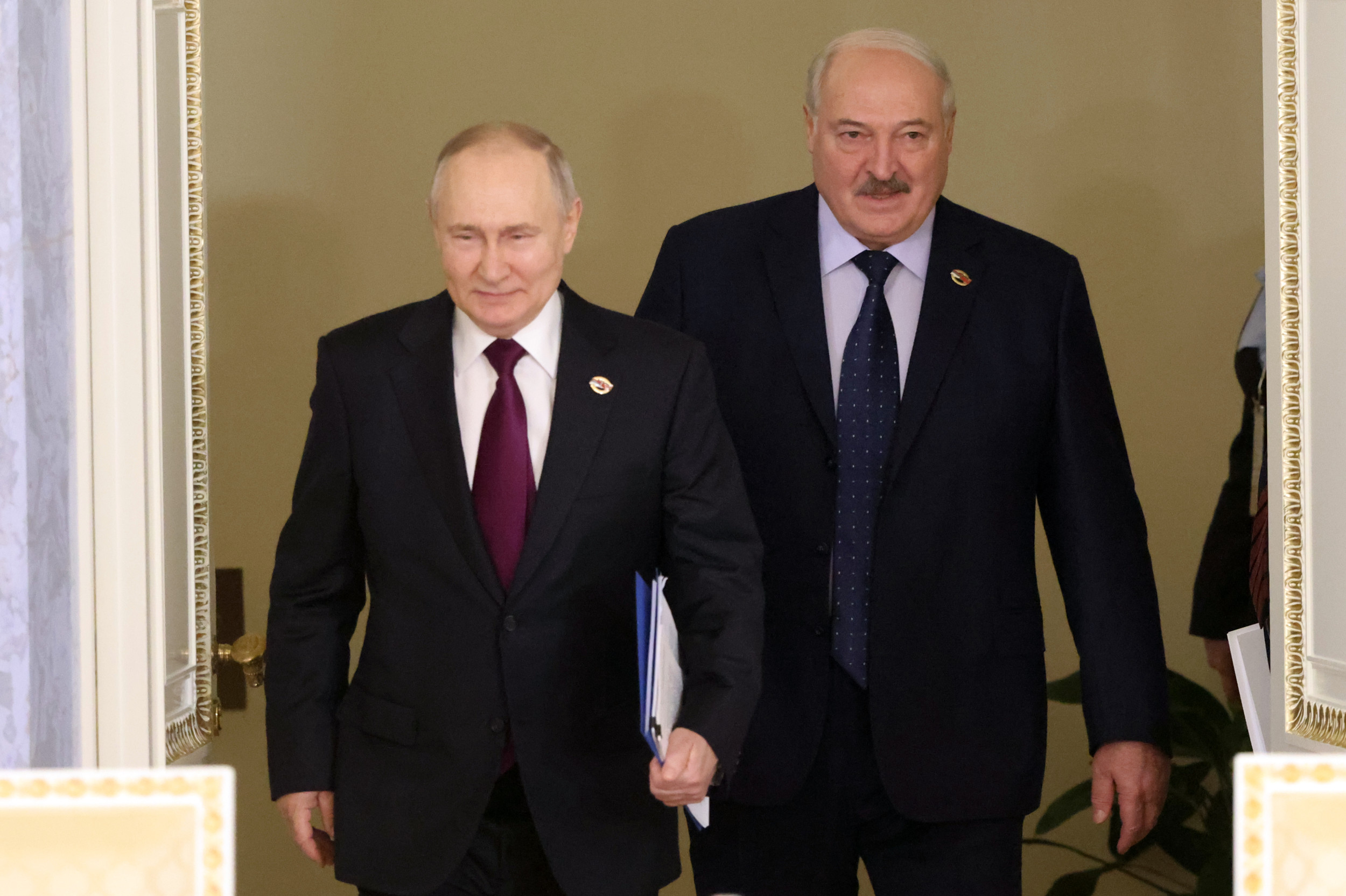
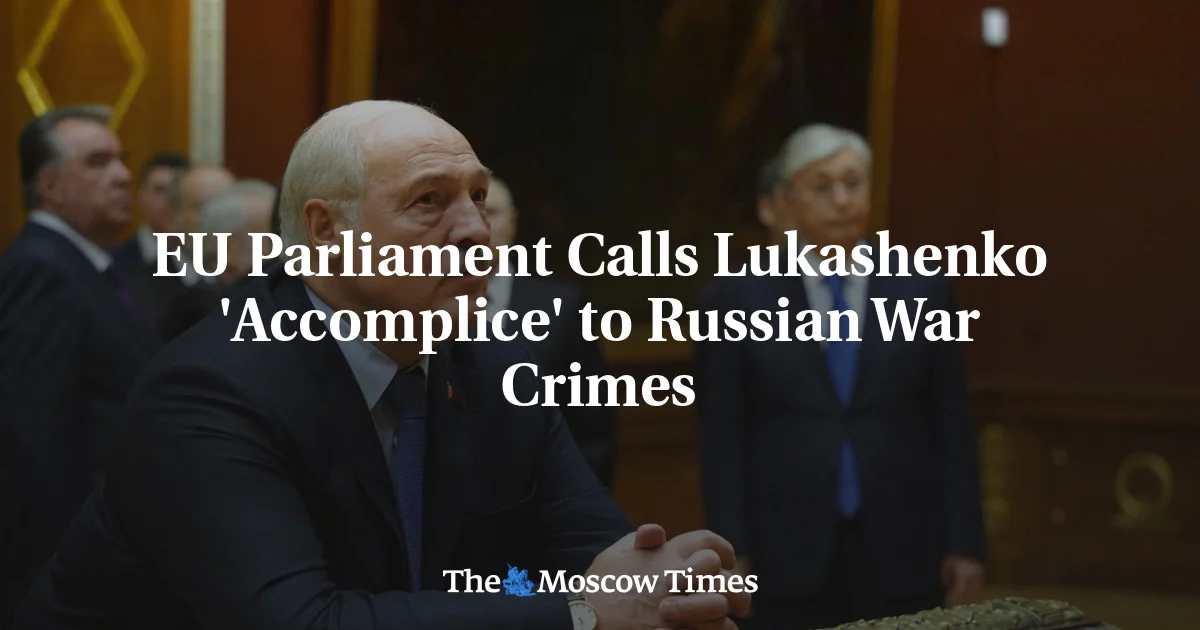
The European Parliament has labeled Belarusian President Alexander Lukashenko as an "accomplice" to Russia's military aggression and war crimes in Ukraine. The resolution condemns Minsk's involvement in Russia's unjustified war against Ukraine, including the stationing and training of Russian troops in Belarus. Lukashenko is also accused of complicity in the illegal transfer of Ukrainian children to Belarus. The European Parliament calls for the International Criminal Court to consider issuing an arrest warrant for Lukashenko and urges the EU to impose sanctions on Belarus similar to those against Russia. Lukashenko is set to meet with Russian President Vladimir Putin on Friday.
The European Parliament has accused Belarusian leader Alexander Lukashenko of being complicit in war crimes committed by Russia in Ukraine and has urged the International Criminal Court to issue an arrest warrant for him. The resolution also accuses Belarus of playing a role in the forcible deportation of Ukrainian children and calls for "mirror" sanctions against Belarus, similar to those applied by the EU against Russia. The resolution further suggests adding Minsk and Moscow to the EU's list of countries at "high risk" of financial irregularities and sponsoring terrorism, and proposes banning Russian and Belarusian athletes from international competitions.
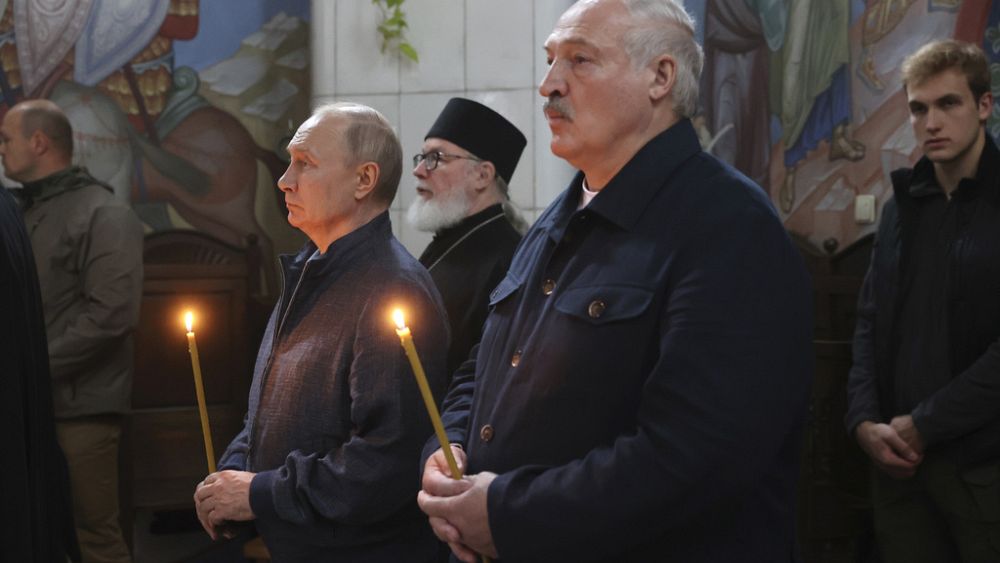
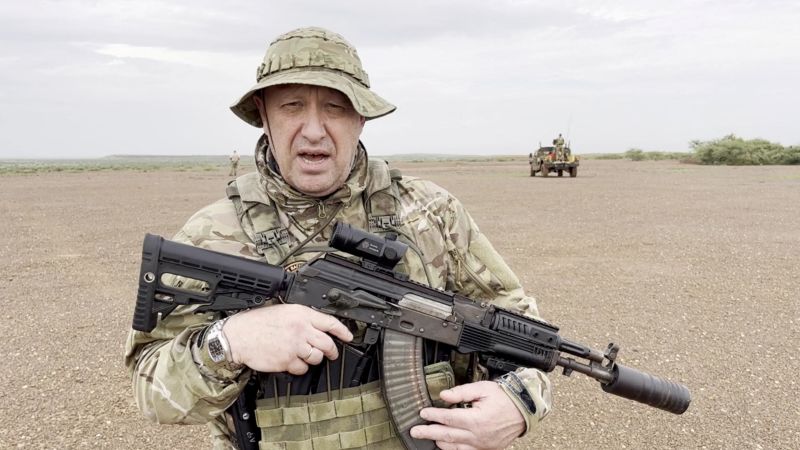
Belarusian President Alexander Lukashenko revealed that he warned Wagner chief Yevgeny Prigozhin twice about potential threats to his life. Lukashenko offered to guarantee Prigozhin's security in Belarus and suggested he could talk to Russian President Vladimir Putin about it. The comments come after a private plane, allegedly carrying Prigozhin, crashed near Moscow. The Kremlin is conducting examinations to determine if Prigozhin was killed in the crash. The Pentagon believes Prigozhin was "likely" killed, and US and Western intelligence officials suspect foul play. Lukashenko also stated that Wagner fighters will continue to operate in Belarus, with up to 10,000 members, despite recent dismantling of some camp sites.
Belarusian President Alexander Lukashenko announced that the Russian mercenary group Wagner will remain in Belarus, following the reported death of its leader Yevgeny Prigozhin in a plane crash. Lukashenko did not specify the purpose or duration of their stay. He denied believing that Russian President Vladimir Putin ordered the assassination of Prigozhin and plans to keep 10,000 mercenaries in Belarus. The Russian authorities have denied allegations of involvement and are investigating the cause of the crash. The UK Ministry of Defence stated that while there is no definitive proof of Prigozhin's death, it is highly likely. Experts suggest that the move against Prigozhin and his associates is an attempt to eliminate Wagner as an independent organization.
Belarusian President Alexander Lukashenko revealed that he had warned Russian mercenary chiefs Yevgeny Prigozhin and Dmitry Utkin about potential threats to their lives, while insisting that Wagner fighters would remain in Belarus. Lukashenko, who helped broker a deal allowing Prigozhin and some of his fighters to go to Belarus, stated that he had persuaded Russian President Vladimir Putin not to harm Prigozhin. Lukashenko also dismissed suggestions that Putin was involved in the recent plane crash that Prigozhin was reportedly on board. The Kremlin denied Western claims that Prigozhin was killed on its orders, while Lukashenko affirmed that Wagner fighters would continue to operate in Belarus.
The Biden administration has issued a travel warning urging U.S. citizens in Belarus to leave the country immediately due to concerns about Russian Wagner mercenary forces and the heightened security measures taken by neighboring countries. Belarus, categorized as a Level 4 risk, is known for its leader Alexander Lukashenko's facilitation of Russian President Vladimir Putin's war in Ukraine and is under U.S. sanctions for human rights abuses. The U.S. mission in Belarus is currently limited to emergency services, and the State Department warns of potential civil unrest, arbitrary enforcement of local laws, and the risk of detention.
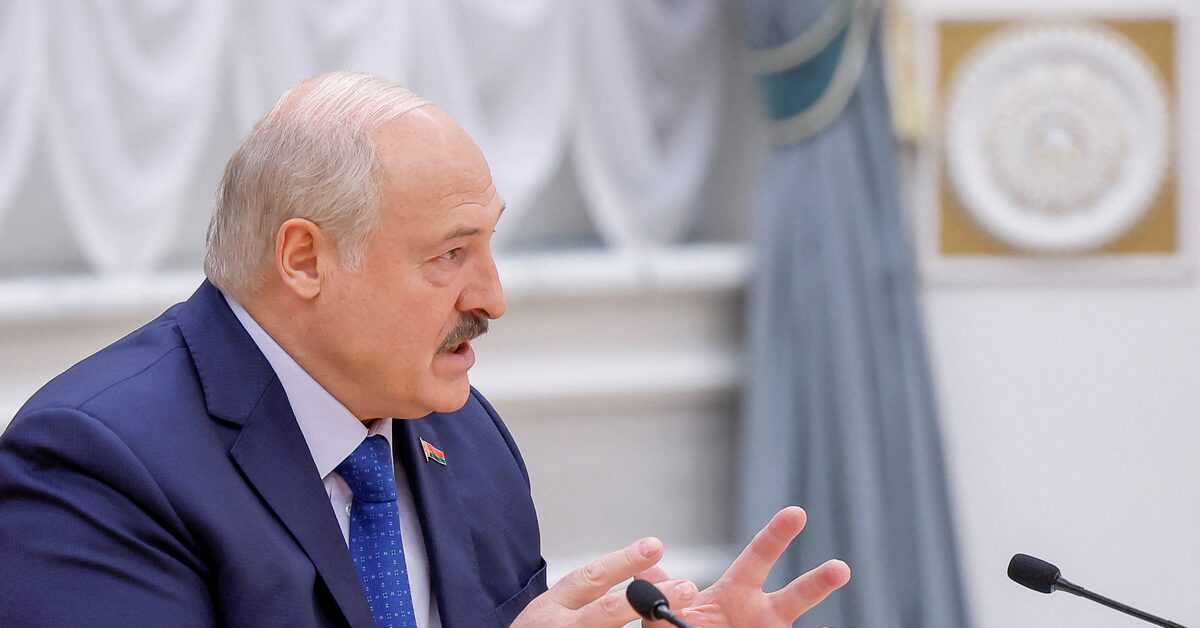
Alexander Lukashenko, the self-proclaimed president of Belarus, claims that Russian President Vladimir Putin has achieved his goals in the war against Ukraine, stating that Ukraine will be less aggressive towards Russia in the future. Lukashenko also suggests that Ukraine will no longer be influenced by the United States and will build stronger ties with its neighboring countries.
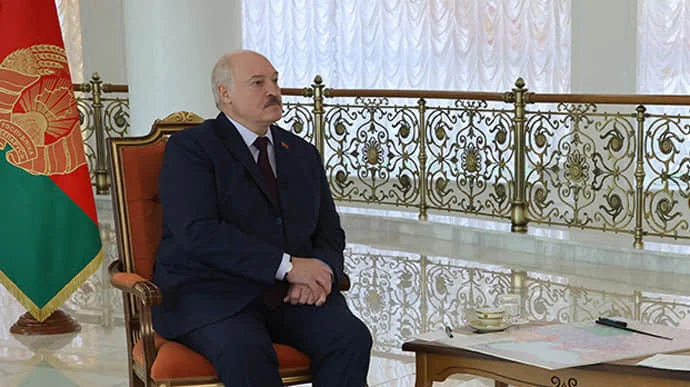
Belarusian President Alexander Lukashenko claimed that there were direct contacts between Ukraine and Belarus, but Ukrainian President Volodymyr Zelenskiy halted them. The topics discussed included Belarus' potential involvement in the war on the Russian side, the potential use of nuclear weapons, and the presence of Wagner Group mercenaries in Belarus. Lukashenko expressed a willingness to continue the dialogue between the two countries.
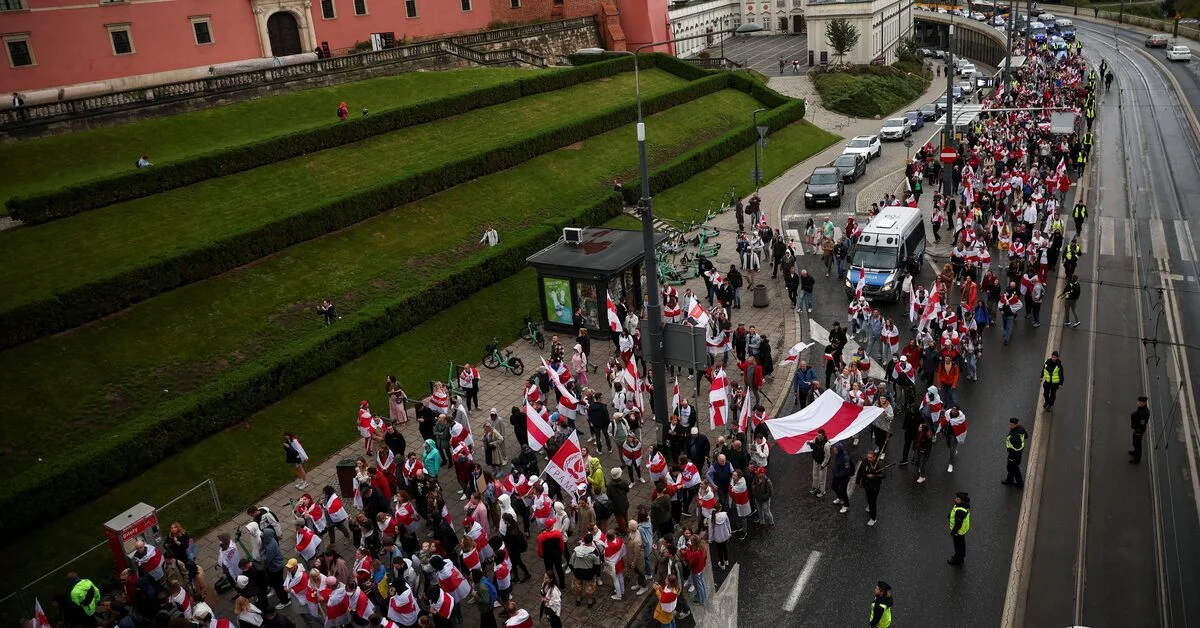
Hundreds of Belarusian opposition supporters marched through Warsaw to commemorate the third anniversary of their failed attempt to overthrow President Alexander Lukashenko in an election they claim was rigged. The protests, which began after Lukashenko declared victory in the August 2020 presidential election, lasted for months and resulted in Western countries imposing economic sanctions on Belarus. Lukashenko's security forces responded with violent crackdowns, leading to a mass exodus of Belarusians to neighboring Poland. The opposition, united in their opposition to Lukashenko's rule, is divided over tactics, with some advocating for armed resistance.