Tag

Angelman Syndrome

All articles tagged with #angelman syndrome

Study Links Angelman Syndrome to False Stress Signals Triggered by Enzyme Buildup
science-and-health1 month ago

Study Links Angelman Syndrome to False Stress Signals Triggered by Enzyme Buildup

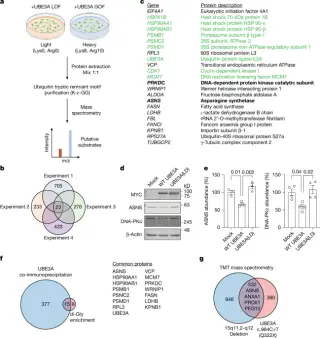
Researchers at Washington University in St. Louis have identified a molecular mechanism underlying Angelman syndrome, a rare neurodevelopmental disorder. Their study, published in Nature, reveals that the loss of the UBE3A gene leads to an abnormal accumulation of the enzyme asparagine synthetase (ASNS) in neurons. This buildup triggers a false cellular stress response, causing neurons to halt protein synthesis and growth, which results in microcephaly and behavioral deficits. In mouse models, genetically correcting this ASNS overabundance restored normal brain development and improved several behavioral phenotypes, suggesting a potential therapeutic target for the condition.


Ultragenyx’s Angelman therapy fails Phase 3, triggering 43% stock drop and cost cuts
biotech2 months ago

Ultragenyx’s Angelman therapy fails Phase 3, triggering 43% stock drop and cost cuts

Ultragenyx reported that its experimental Angelman syndrome drug, apazunersen (GTX-102), failed its Phase 3 trial, missing both primary and secondary endpoints. The setback caused shares to plunge 43% and prompted the company to seek significant expense reductions. This failure undermines Ultragenyx’s path to profitability, as the drug was expected to be a major revenue driver, while the company continues to pursue approvals for other gene therapies.

NIH-backed STEP brain-delivery tech raises questions about brain gene editing
science5 months ago

NIH-backed STEP brain-delivery tech raises questions about brain gene editing

Yale researchers secured a $40M NIH grant to advance STEP, a 10-nm brain-delivery platform for CRISPR gene editors; early preclinical work in mice hints at brain-wide delivery and functional gains, but the mechanism remains unclear, safety and scaling concerns persist, and full details won’t be published until 2028 as clinical work progresses.