Tag

Antibacterial

All articles tagged with #antibacterial

Graphene Toothbrush Mystery Solved: How Graphene Oxide Kills Bacteria Without Harming Humans
science26 days ago

Graphene Toothbrush Mystery Solved: How Graphene Oxide Kills Bacteria Without Harming Humans

Scientists reveal that graphene oxide in graphene toothbrushes targets a bacterial membrane molecule called POPG, explaining how these brushes kill bacteria while largely sparing human cells. Increasing oxygen-containing groups on graphene oxide enhances binding and antibacterial effect (around 96–99% growth suppression), while removing oxygen or adding nitrogen weakens it, highlighting surface chemistry over sheet size. Microscopy shows membrane damage and cell rupture; the approach also suppresses drug-resistant strains and aided faster wound healing in animal models, with potential uses in medical textiles and protective fabrics. Safety data come from cell and animal studies, but human trials and design optimization remain needed. More than 10 million graphene toothbrushes have already been sold, underscoring the push toward evidence-based antibacterial products.

Graphene oxide: selective bacteria killer that spares human cells
science29 days ago

Graphene oxide: selective bacteria killer that spares human cells

KAIST researchers reveal that graphene oxide selectively disrupts bacterial membranes by binding to a molecule (POPG) present in bacteria but not human cells, killing a broad range of bacteria including drug-resistant strains while leaving human cells unharmed; when used as nanofibers, it stops bacterial growth and promotes faster wound healing, and its antibacterial properties endure after repeated washing, with real-world uses in antibacterial toothbrushes and textiles.

Unlock Winter Wellness: Garlic's Surprising Health Benefits
health1 year ago

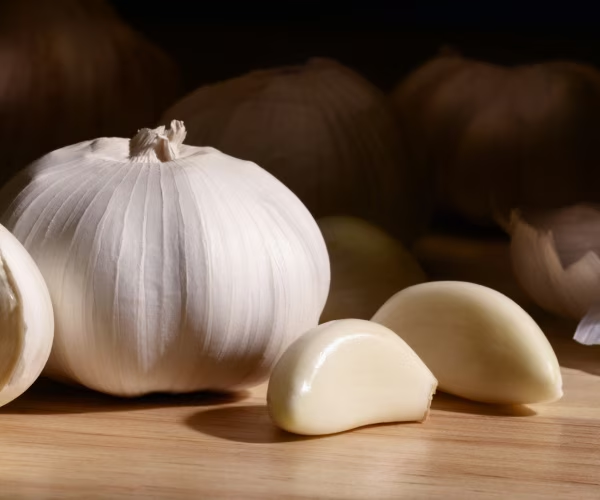
Unlock Winter Wellness: Garlic's Surprising Health Benefits

Garlic has been used for centuries for its health benefits, including boosting the immune system, preventing colds and flu, fighting inflammation, and potentially reducing the risk of dementia and certain cancers. Known as "Russian penicillin," garlic's antibacterial properties were noted by Louis Pasteur in 1858. Consuming garlic raw, in cooking, or as supplements like aged garlic extract (AGE) can enhance its disease-fighting abilities. AGE, in particular, has shown promise in reducing inflammation and maintaining arterial health, which may help prevent dementia and Alzheimer's disease.

"Breakthrough: Scientists Unveil Promising Acne Treatment"
health2 years ago

"Breakthrough: Scientists Unveil Promising Acne Treatment"

Australian scientists have developed a potential breakthrough treatment for acne using nanoparticles. They encapsulated an antibacterial compound called Narasin in tiny nanoparticles and applied it in gel form to acne sites. The drug, traditionally used in the livestock industry, showed a significantly higher absorption rate when delivered via nanocarriers. With acne affecting a large portion of the global population and causing psychological distress, this innovative approach holds great promise for improving acne treatment options.

Pantry Staples: Powerful Weapons Against Superbugs and Wound Care
health2 years ago

Pantry Staples: Powerful Weapons Against Superbugs and Wound Care

Researchers have discovered that a combination of honey and vinegar, inspired by ancient recipes, is a potent antibacterial agent that helps wounds heal quickly without infection. The study found that the combination of honey and acetic acid (the main component of vinegar) was particularly effective in killing bacteria. Different types of vinegar, such as pomegranate vinegar, showed varying levels of medicinal strength. Honey has previously been found to have robust antibiotic properties against drug-resistant germs, and it has also been identified as an effective alternative to prescription drugs for treating mild respiratory illness. The use of traditional remedies in modern healthcare could enhance current care at a lower cost.