AI agents autonomously design and execute complex DNA experiments in new lab system
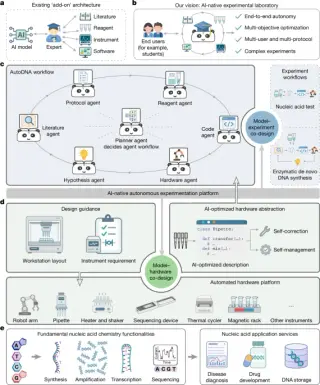
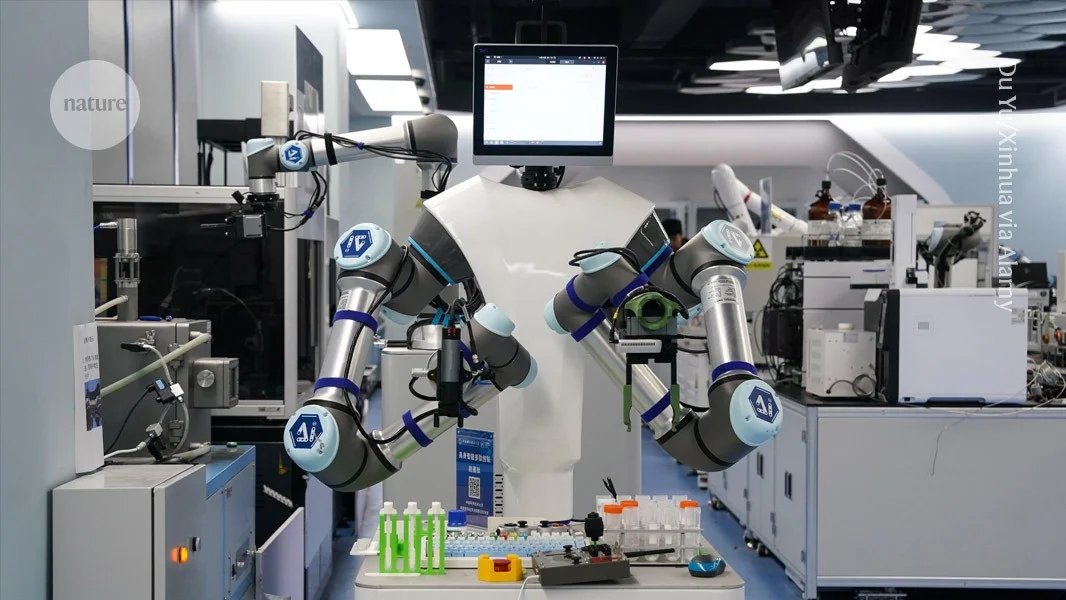
A new multi-agent AI system, AutoDNA, developed by researchers at Shanghai Jiao Tong University, can autonomously design and execute complex life science experiments, including DNA synthesis and data storage, with minimal human intervention. The system, described in a paper published in Nature, uses multiple specialized AI agents to plan protocols, control robotic arms, and operate over 20 types of laboratory equipment. In tests, the system achieved expert-level success rates in DNA synthesis, reduced experiment times by 3.2 times through parallel processing, and successfully stored and retrieved digital information in DNA over 11,382 steps. While the system demonstrated the ability to identify a clinically significant KRAS G13D mutation from a real-world sample, it is not yet ready for regulated clinical use. Humans are still required to restock reagents and maintain hardware, and the system encountered 14 equipment errors during testing, six of which required human intervention.