Tag

Dna Sequencing

All articles tagged with #dna sequencing

Ocean Census Unveils 1,121 New Marine Species in a Year
science5 days ago

Ocean Census Unveils 1,121 New Marine Species in a Year

Ocean Census reports 1,121 previously unknown marine species identified in a single year, accelerated by NOVA—a digital platform that enables rapid imaging, DNA sequencing, and data sharing to fast-track naming. Highlights include the ghost shark, the carnivorous death-ball sponge, a worm living in a glass sponge, a sea pen, and a ribbon worm, underscoring the urgency of documenting ocean biodiversity before it vanishes and hinting at potential medical breakthroughs.
Deep-Sea Gold: Orb Turned Out to Be Anemone Tissue
science1 month ago

Deep-Sea Gold: Orb Turned Out to Be Anemone Tissue

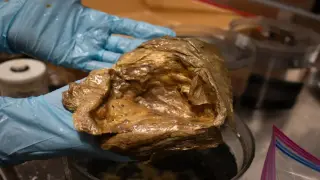
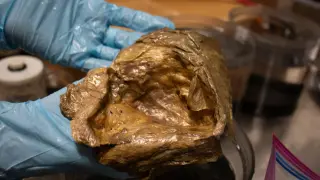
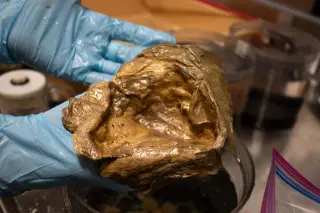
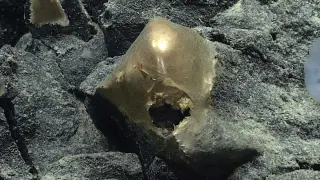
A glowing four-inch orb found on the Gulf of Alaska seafloor during NOAA’s 2023 Seascape Alaska expedition was identified through later genetic testing as a piece of tissue from Relicanthus daphneae, a rare deep-sea giant sea anemone. The discovery concluded that the orb wasn’t an egg or new species but dead cells at the base of the anemone, underscoring the deep ocean’s ongoing mysteries and the subtle process of tissue shedding that can leave behind such glowing relics.

Golden Orb Mystery Solved: Remnant of a Giant Deep-Sea Anemone Identified
science1 month ago

Golden Orb Mystery Solved: Remnant of a Giant Deep-Sea Anemone Identified

Scientists have solved the two-year mystery of the Gulf of Alaska’s “golden orb,” identifying it as a remnant of the base of the giant deep-sea anemone Relicanthus daphneae. Using morphological analysis and whole-genome sequencing (since initial DNA barcoding was inconclusive), researchers confirmed animal DNA matching Relicanthus daphneae and linked the orb to the rock-attached base of the creature. The specimen has been accessioned into the Smithsonian NMNH collection, illustrating how advanced genomic methods help unveil deep-sea mysteries.

AI helps tailor cancer vaccine for dog, but scientists urge caution
science-tech2 months ago

AI helps tailor cancer vaccine for dog, but scientists urge caution

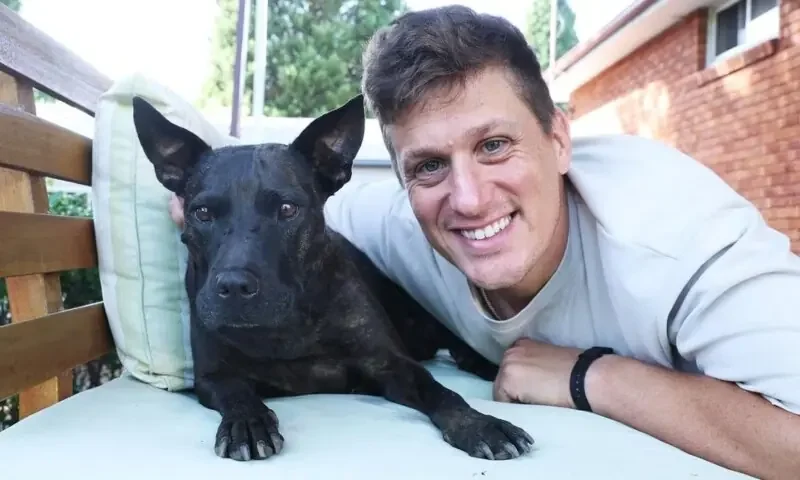
An Australian tech entrepreneur used AI tools to help design a personalized mRNA cancer vaccine for his eight-year-old dog, Rosie, after mast cell tumors persisted post-surgery and chemotherapy. DNA sequencing of Rosie’s tumor identified mutations (neoantigens); AI helped select targets, and researchers at the University of New South Wales turned these into an experimental vaccine administered to Rosie, with several tumors shrinking and the dog showing improved energy. However, this is a single case, not a controlled study, so it cannot be taken as a cure and highlights the need for robust testing, ethical safeguards, and careful interpretation of AI-assisted results before broader use.

AI-designed mRNA vaccine shrinks dog's cancer, fueling hopes for human treatment
technology2 months ago

AI-designed mRNA vaccine shrinks dog's cancer, fueling hopes for human treatment

An AI-assisted effort led to an mRNA vaccine that halved a dog’s mast cell tumor during a Sydney trial. The owner used a chatbot to brainstorm therapies and then worked with UNSW scientists who DNA-sequenced the tumor to tailor the vaccine. While the result is promising for pets and could inform human cancer research, experts caution against hype and note that more evidence is needed before any broader claims.

DeepMind's AlphaGenome Lets AI Scan a Full Million-Letter Genome at Once
science3 months ago

DeepMind's AlphaGenome Lets AI Scan a Full Million-Letter Genome at Once

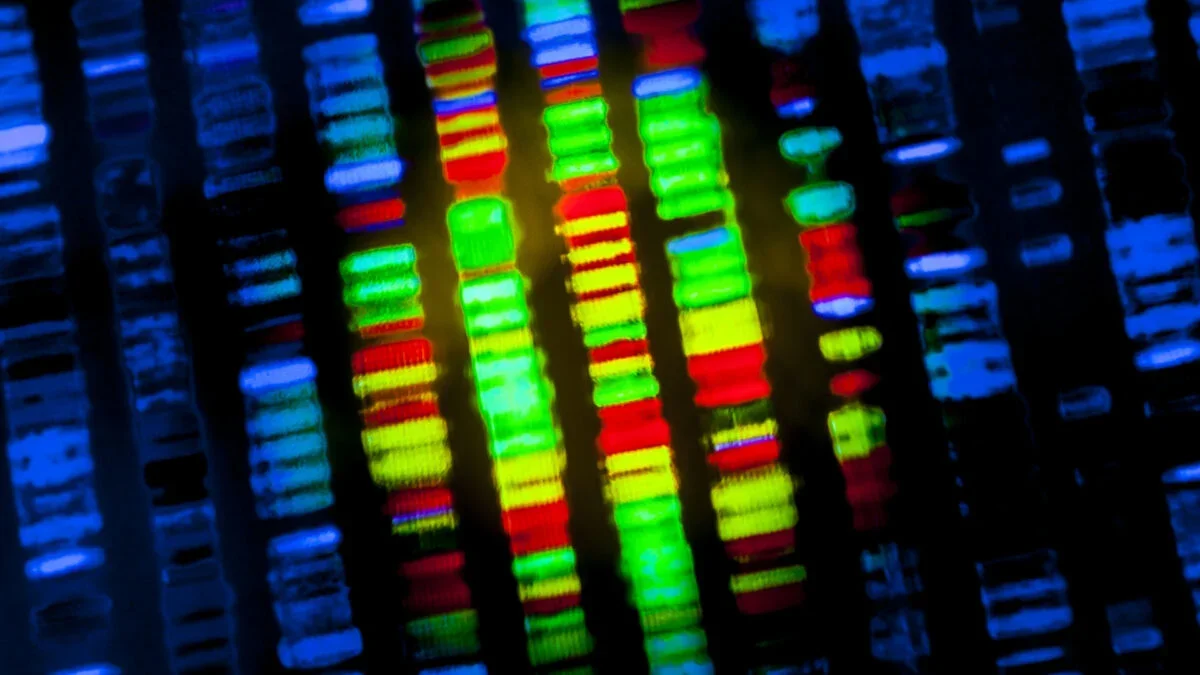
DeepMind's AlphaGenome, described in Nature, can analyze up to about 1 megabase of DNA at a time—roughly a million letters—outperforming prior AI models in 25 of 26 tests and predicting thousands of functional genomic tracks along with nearly 6,000 human genetic signals. Trained on both human and mouse genomes, it aims to illuminate how coding and non-coding regions interact and regulate genes. While praised as a milestone, experts caution that data quality and standardization remain limiting factors; the model could help diagnose rare genetic diseases, identify cancer mutations, and reveal drug targets, but it isn’t a complete solution yet.