Tag

Axial Tilt

All articles tagged with #axial tilt

Aphelion Isn’t Making July Hot: It’s the Earth’s Tilt Behind Summer
science4 days ago

Aphelion Isn’t Making July Hot: It’s the Earth’s Tilt Behind Summer

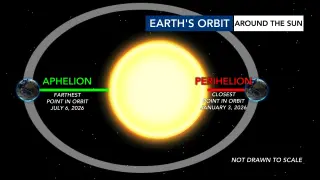
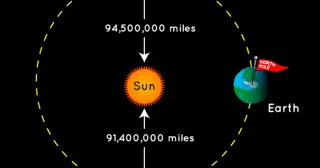
Even at aphelion, the farthest point from the Sun in early July, heat remains high because the Earth’s 23.5° tilt directs more sunlight toward the Northern Hemisphere and lengthens days. Perihelion—the closest approach to the Sun—occurs in January at about 91.4 million miles, while aphelion is about 94.5 million miles away and the planet travels around 65,500 mph. The season is driven by tilt, not proximity, and daylight is gradually changing after the solstice, which helps explain why recent local heat records occur during summer.

Aphelion Spotlight: Far from the Sun, Summer Still Wins
space11 days ago

Aphelion Spotlight: Far from the Sun, Summer Still Wins

On July 6, 2026, Earth reaches aphelion—the farthest point from the Sun—while the Northern Hemisphere is in midsummer. The tilt of Earth’s axis (about 23.5 degrees) is the primary driver of the seasons; distance changes only modestly affect solar energy and climate (roughly a 7% difference in sunlight and about a 5°C global swing), with oceans dampening the effect. Aphelion also makes Northern summers longer and Southern summers shorter, and this timing drifts slowly over centuries due to orbital dynamics. Perihelion—the closest approach to the Sun—occurs in January, when the Sun-Earth distance is minimized.

Aphelion Heat: Why Summer Feels Hot Even as Earth Moves Away from the Sun
science28 days ago

Aphelion Heat: Why Summer Feels Hot Even as Earth Moves Away from the Sun

Despite record heat, Earth is actually farther from the Sun during aphelion in early July (~152 million km) than at perihelion in January. Seasons are driven by Earth’s 23.4° tilt, which increases the Sun’s angle and daily daylight in the Northern Hemisphere; the distance changes about 5 million km and slightly affects solar energy, but tilt dominates the seasonal cycle.

Mars Is Earth's Climate Stabilizer, New Study Finds
science5 months ago

Mars Is Earth's Climate Stabilizer, New Study Finds

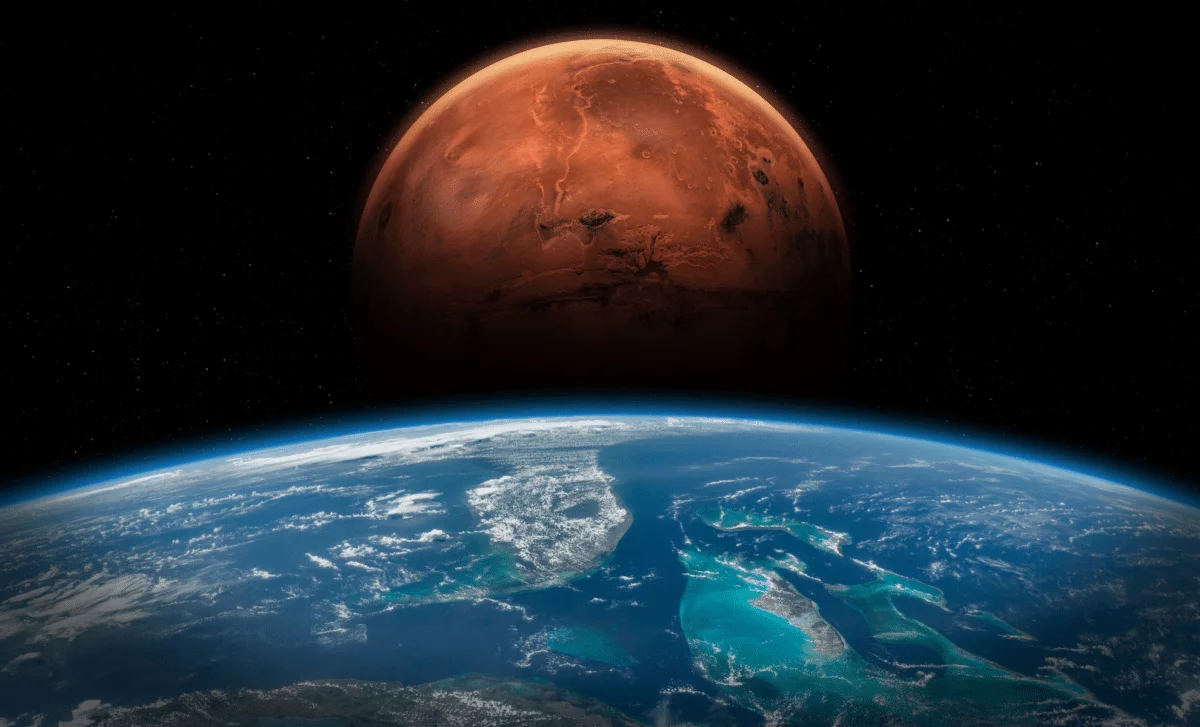
New simulations indicate Mars’ gravity subtly stabilizes Earth’s climate by damping changes in its axial tilt; without Mars, major climate cycles like ice ages could disappear, and increasing Mars’ mass would shorten these cycles—revealing a surprising, system-wide gravitational connection that could affect how we think about habitability in other planetary systems.

Earth's Farthest Point from the Sun: Aphelion Day
science3 years ago

Earth's Farthest Point from the Sun: Aphelion Day

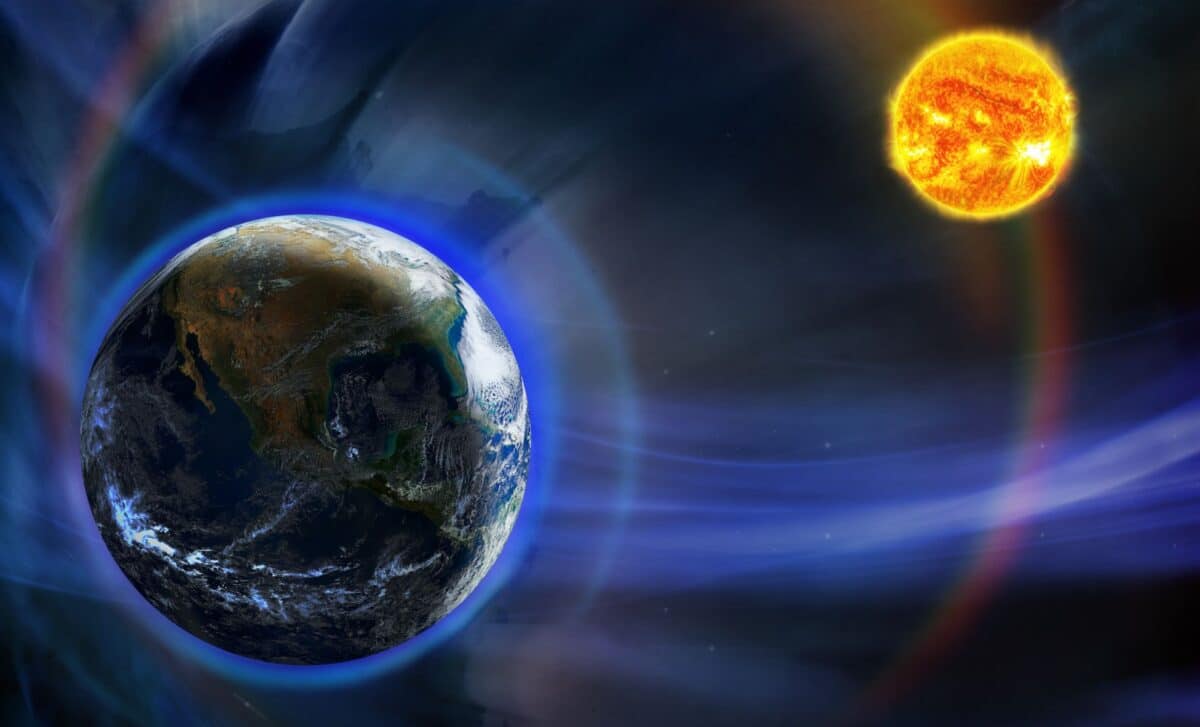
Today is Aphelion Day, the point in Earth's orbit when it is farthest away from the Sun. Earth will be 94,506,364 miles from the Sun at 4:06 p.m. EDT. However, Earth's distance from the Sun does not solely determine seasons; they are primarily influenced by the axial tilt of the Earth. The Northern Hemisphere experiences summer when its axis points towards the Sun, and the abundance of landmass in that hemisphere contributes to the higher temperatures.