New Glenn Grounded After Satellite Misses Target Orbit
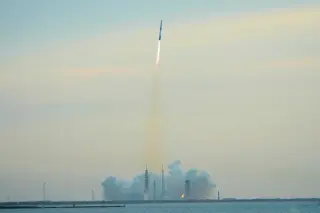
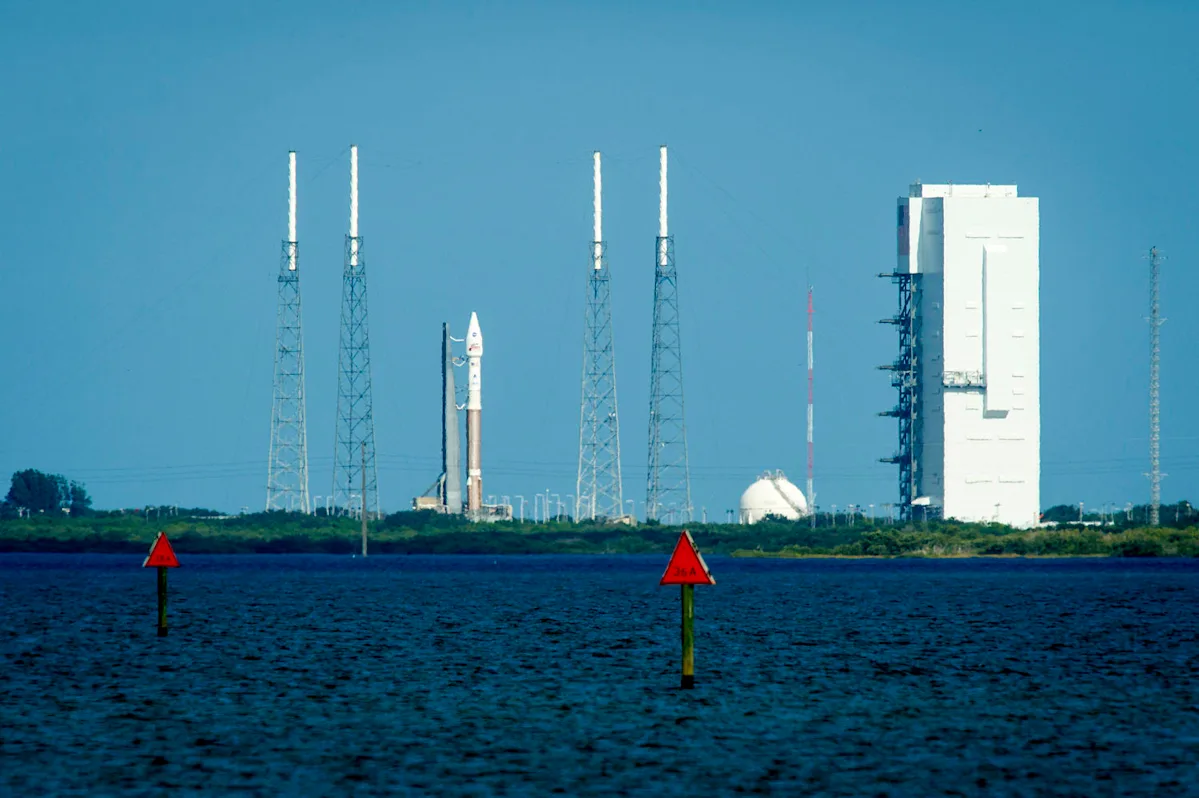
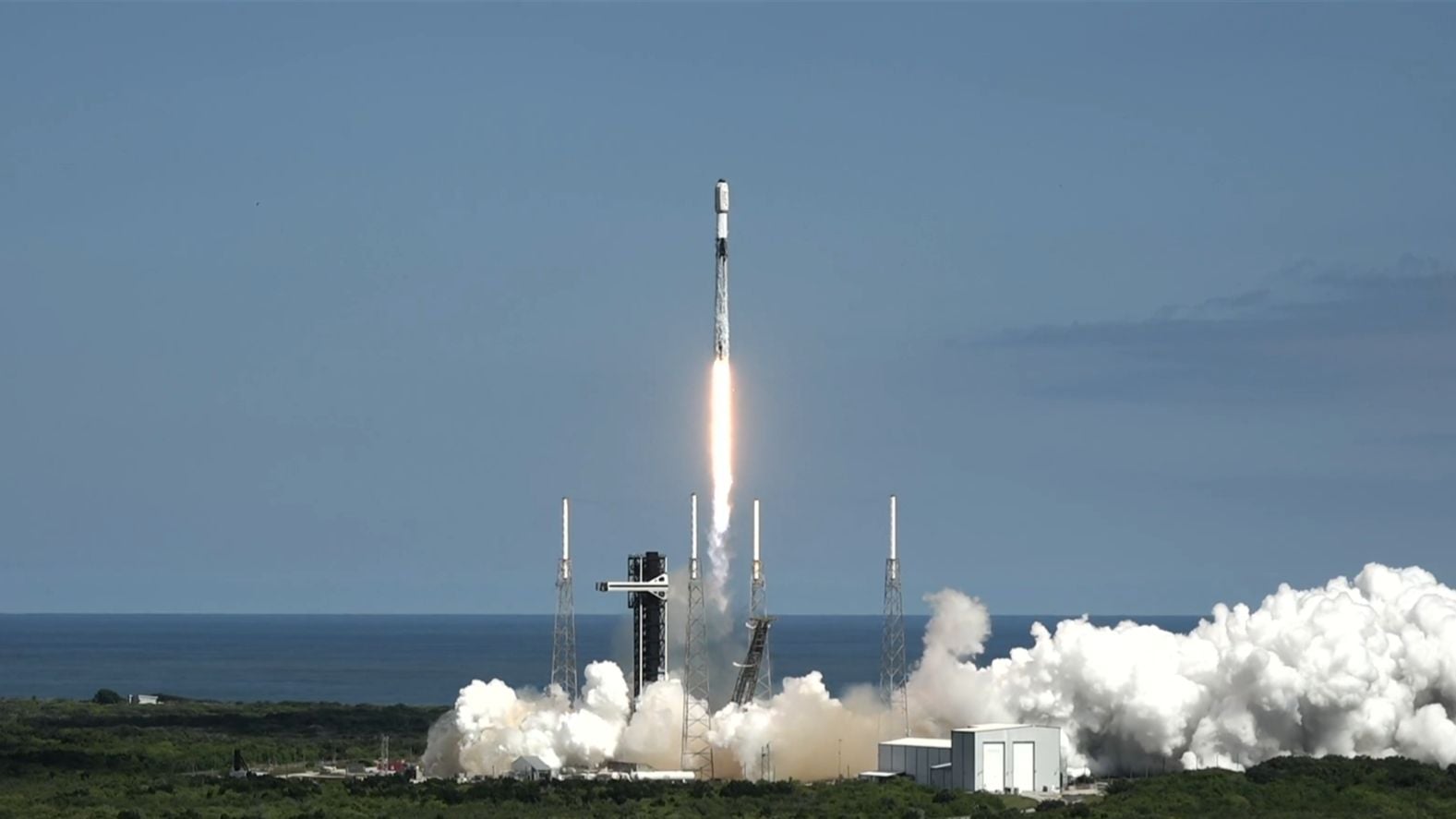
Blue Origin’s New Glenn rocket launched a satellite, but it ended up in the wrong orbit, prompting officials to ground the mission at Cape Canaveral while they review what went wrong.
All articles tagged with #orbit

Blue Origin’s New Glenn rocket launched a satellite, but it ended up in the wrong orbit, prompting officials to ground the mission at Cape Canaveral while they review what went wrong.

Researchers link Milankovitch orbital cycles to the formation of shale oil in the Sichuan Basin, showing that wetter periods during high orbital eccentricity produced organic-rich lake muds that later became shale reservoirs. By combining crust/mantle data, rock cores, and Jurassic lake-mud gamma-ray records, they align sediment layers with orbital timing to better predict where high-quality shale oil formed. The study, published Sept. 30, 2025, notes shale oil’s extraction via fracking and related environmental concerns, but the method could improve exploration targeting.

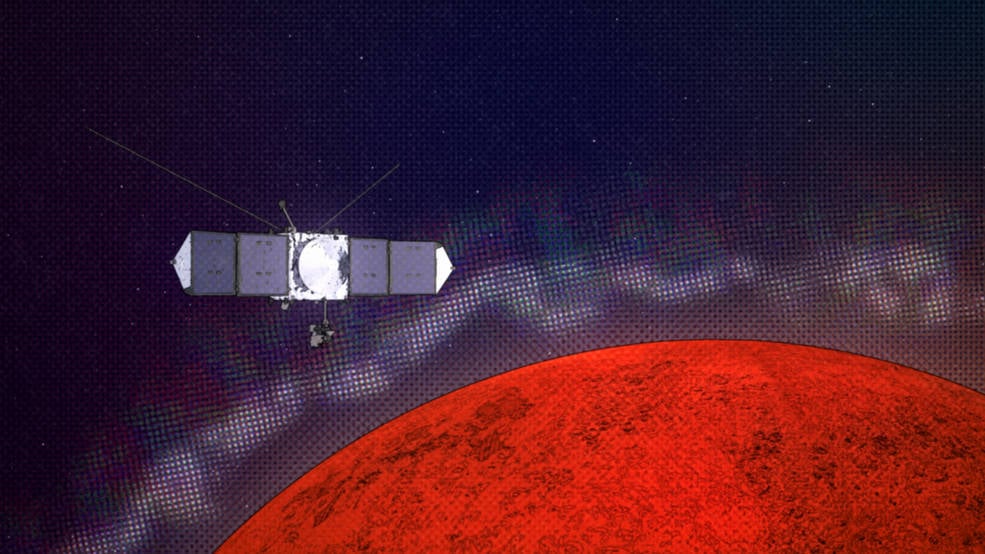
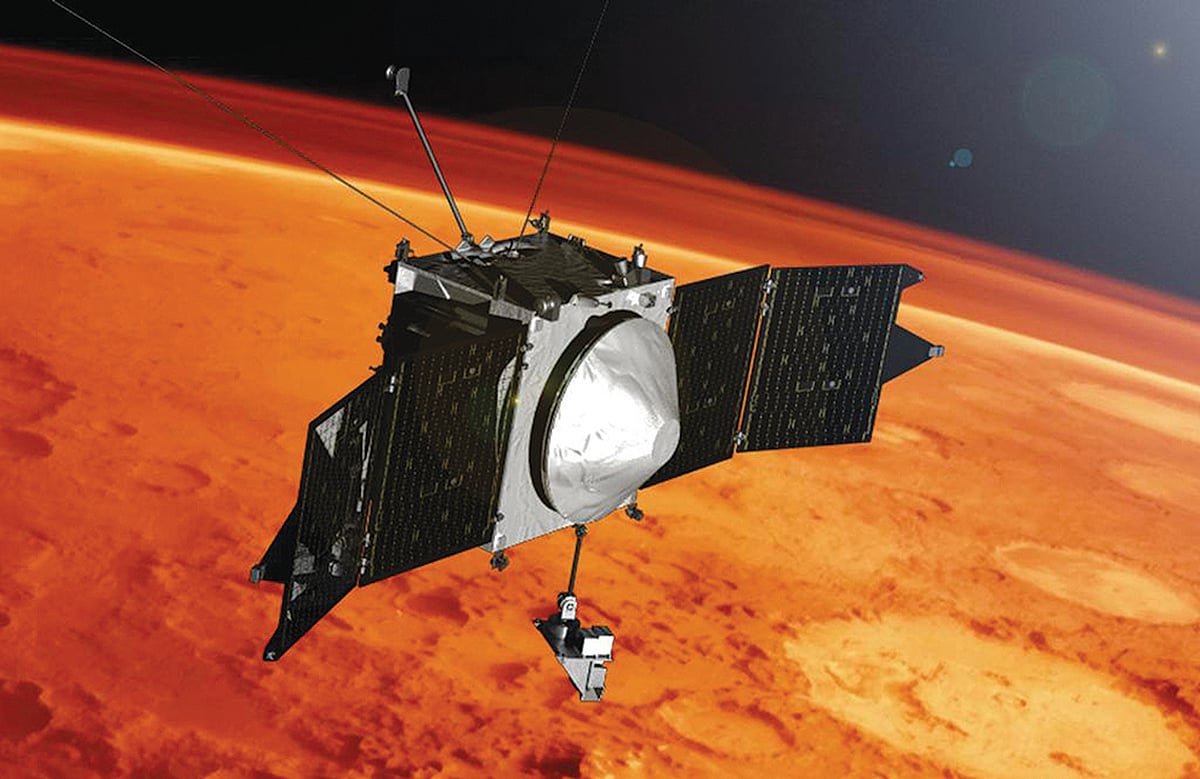
NASA's MAVEN spacecraft orbiting Mars has been unresponsive since December 6, with recent data suggesting it was spinning unexpectedly, and efforts to re-establish contact are ongoing, but prospects seem uncertain as the spacecraft has been operational for over a decade studying Mars' atmosphere.

NASA's MAVEN spacecraft orbiting Mars has been unresponsive since December 6, with efforts to re-establish contact ongoing. The spacecraft, which has been studying Mars' atmosphere for over a decade, appears to have experienced an unexpected spin, and communication attempts are delayed until mid-January due to planetary alignment. The mission's status remains uncertain, raising concerns about its future.

SpaceX plans to lower the orbits of approximately 4,400 Starlink satellites from 550 km to 480 km in 2026 to enhance safety and reduce collision risks, especially as solar activity decreases and atmospheric drag lessens, impacting satellite decay times and space debris management.

Earth is closest to the Sun at perihelion in January, but it’s winter in the Northern Hemisphere because the planet’s axial tilt causes seasonal changes, not its distance from the Sun. The tilt results in varying sunlight exposure, creating summer and winter, while the elliptical orbit’s slight distance variation has minimal impact on temperatures.

Earth's closest approach to the Sun, called perihelion, occurs during winter in the Northern Hemisphere due to the Earth's axial tilt and elliptical orbit, which causes seasonal variations in sunlight exposure. This timing is a coincidence and varies over thousands of years due to gravitational influences and orbital changes.

NASA is attempting to reestablish contact with the MAVEN Mars orbiter after it lost response, with indications that it may be tumbling and off its expected trajectory, complicating recovery efforts especially with upcoming solar conjunction blocking communication. The spacecraft's status remains uncertain, and its potential loss could reduce NASA's active Mars orbiters to two aging spacecraft.

NASA's MAVEN Mars orbiter experienced a significant issue, with analysis indicating unexpected rotation and possible orbital change, likely caused by an energetic event, complicating recovery efforts amid upcoming solar conjunctions.

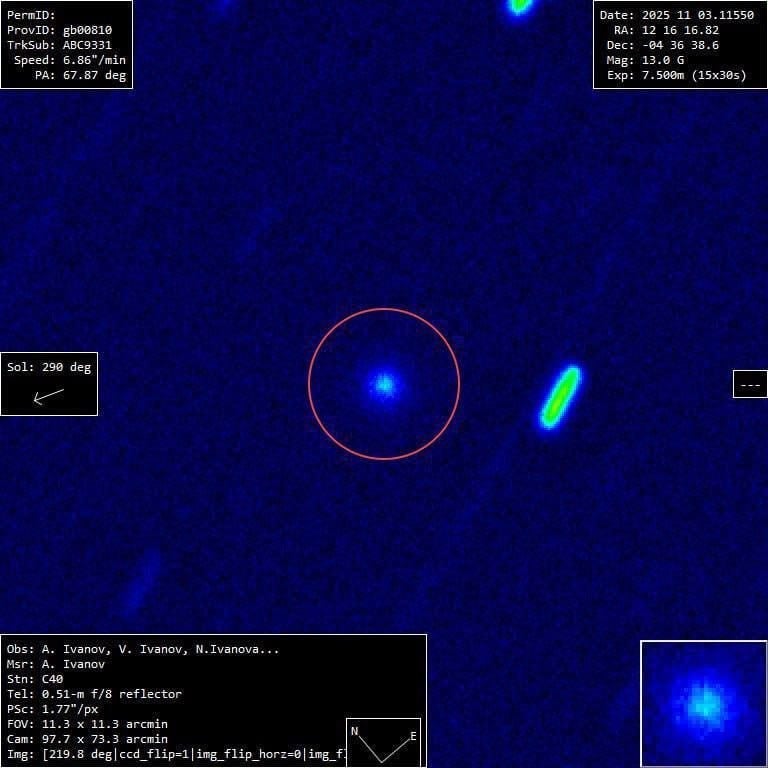
A new object, C/2025 V1, discovered by Gennady Borisov, is likely a natural object from the Oort cloud and not related to the interstellar object 3I/ATLAS, based on its orbit and non-gravitational acceleration. The article discusses the potential for distinguishing natural from technological origins of such objects through spectroscopic analysis during their close approach to Earth in December 2025.

NASA has confirmed that Earth will have a new mini-moon temporarily orbiting until 2083, marking a rare celestial event.

SpaceX successfully launched 29 Starlink satellites into orbit from Florida using a Falcon 9 rocket, marking the company's 138th orbital launch of the year and continuing to expand its Starlink constellation, which now has over 8,700 active satellites.

SpaceX has launched its 10,000th Starlink satellite, contributing to a total of over 10,006 satellites, which now make up about two-thirds of all active satellites in orbit. While this has improved global internet access, it raises concerns about space congestion, collision risks, and space debris, as the number of satellites continues to grow rapidly.

Astronomers have identified an asteroid, 2025 PN7, that will act as a quasi-moon for Earth until 2083, sharing a similar orbit but not actually orbiting the planet, and this phenomenon is part of ongoing discoveries about small objects in our solar system.

SpaceX launched its 10,000th Starlink satellite, giving Elon Musk control over about two-thirds of all active satellites in low-Earth orbit, raising concerns about space dominance and environmental impact from satellite deorbiting.