

Tag

Bioprospecting

All articles tagged with #bioprospecting

Darwin’s Bark Spider Spins Ultra-Tough Silk and Bridges Rivers Across Madagascar
science18 days ago

Darwin’s Bark Spider Spins Ultra-Tough Silk and Bridges Rivers Across Madagascar

A Madagascan spider, Darwin’s bark spider (Caerostris darwini), weaves dragline silk that is the toughest biological material measured to date, absorbing more energy than Kevlar by roughly tenfold; its webs span rivers with bridge lines up to 25 meters. The toughness arises from a mix of solid strength and unusually high elasticity, and researchers note the silk isn’t yet mass-producible due to the impossibility of farming spiders. The work also highlights bioprospecting as a targeted approach to discovering extraordinary natural materials.

Amazon Scorpion Venom Offers Hope for Breast Cancer Treatment
health-and-medicine8 months ago

Amazon Scorpion Venom Offers Hope for Breast Cancer Treatment

Researchers in Brazil have discovered a molecule in Amazonian scorpion venom that shows promise as a new breast cancer treatment, similar to existing chemotherapy drugs, and are exploring its potential through heterologous expression and further studies. The article also highlights advances in biopharmaceuticals, cancer diagnostics, and immunotherapy from Brazilian research institutions.

Bacteria's Appetite for Plastic: A Potential Solution to Pollution
environment2 years ago

Bacteria's Appetite for Plastic: A Potential Solution to Pollution

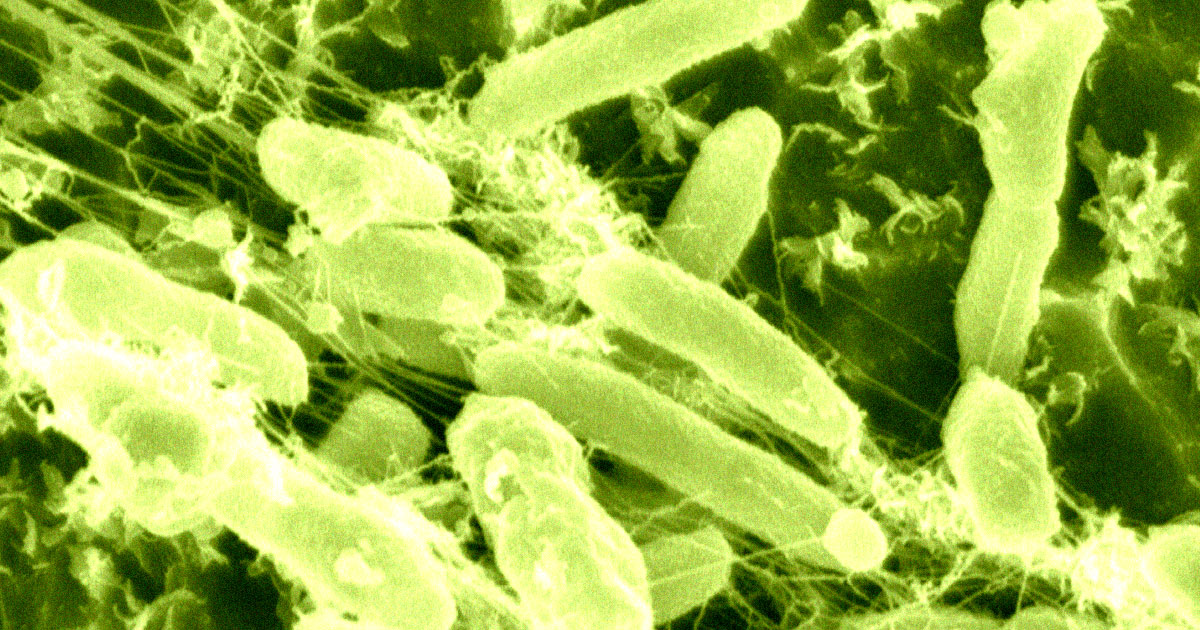
Scientists are exploring the potential of bacteria that can break down plastic waste as a solution to the global plastic pollution crisis. Researchers have discovered plastic-eating bacteria, such as Ideonella sakaiensis, and have been working on manipulating these organisms to produce enzymes that can break down plastic at a faster rate. However, finding high-performing bacteria remains challenging, leading scientists to consider editing the DNA of bacteria. Bioprospecting in landfills is also being conducted to find suitable bacteria. Despite the potential, research in this area has been underfunded, and public support is needed for larger-scale projects to address plastic pollution.