Mass. man’s sudden blindness tied to Ozempic GLP-1 therapy
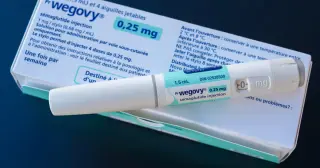
Mass. resident Ed Gillen says a year on GLP-1 diabetes therapy with Ozempic led to sudden, irreversible blindness from non-arteritic anterior ischemic optic neuropathy. After symptoms began in May 2025, his vision deteriorated rapidly, ending his 39-year state job and prompting adaptive training at the Carroll Center for the Blind. He joined a consolidated federal lawsuit alleging Novo Nordisk failed to warn about the risk of optic nerve damage, though the company maintains safety studies show no increased risk.