Tag

Echolocation

All articles tagged with #echolocation

Genome and fossil data place bat origins in Europe 65 million years ago
science15 days ago

Genome and fossil data place bat origins in Europe 65 million years ago

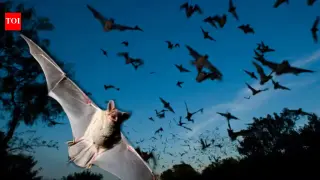
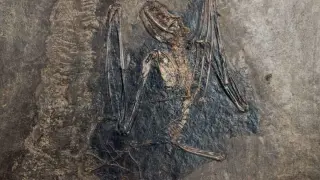
A massive international study has rewritten the evolutionary history of bats, concluding that they originated in Europe approximately 65 million years ago, not in Asia, Africa, or North America as previously hypothesized. Published in Nature, the research analyzed 103 bat genomes and 44 fossils to resolve long-standing debates about the timing of flight and echolocation. The findings suggest these key traits evolved early in bat history, around 50 million years ago, rather than appearing multiple times as bats diversified. This new phylogenetic tree provides a foundation for understanding bat disease resistance and longevity, which could inform human medical research.
Genomic analysis places bat origins in Europe 65 million years ago
science16 days ago

Genomic analysis places bat origins in Europe 65 million years ago

A massive international study published in Nature concludes that bats originated in Europe approximately 65 million years ago, overturning previous theories that placed their origins in Asia, Africa, or North America. The research, part of the Bat1K project, analyzed 103 living species and 44 fossils to reveal that echolocation evolved early in bat history. This genomic database aims to unlock secrets behind bat longevity and disease resistance, though funding challenges and fossil gaps remain.

Crowded Bats Sync Echolocation to Create a Quiet Echo Window
science2 months ago

Crowded Bats Sync Echolocation to Create a Quiet Echo Window

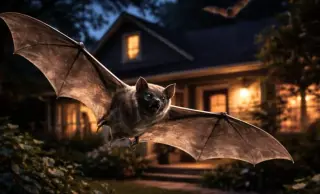
Greater Japanese horseshoe bats living in colonies gradually converge their echolocation call frequencies to a shared range, creating a 'silent spectral window' that reduces interference and improves prey detection. Lower-frequency bats shift upward more than higher-frequency bats, and adjustments occur mainly when there are noticeable differences between individuals.

Humans Can Learn Echolocation in 10 Weeks, Reshaping the Brain
science2 months ago

Humans Can Learn Echolocation in 10 Weeks, Reshaping the Brain

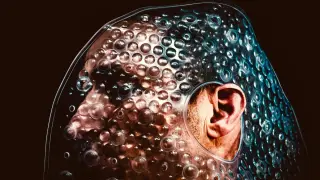
New studies show that both blind and sighted adults can learn click-based echolocation after 10 weeks of training, with brain scans revealing functional and structural changes in the primary visual (V1) and auditory (A1) cortices. The findings indicate adult brain plasticity for sensory repurposing beyond vision, suggesting the brain can adapt to process echoes; related animal research hints at species-specific neural adaptations in echolocation.

Dolphins’ sponge tools reveal culture-driven hunting in Shark Bay
animals5 months ago

Dolphins’ sponge tools reveal culture-driven hunting in Shark Bay

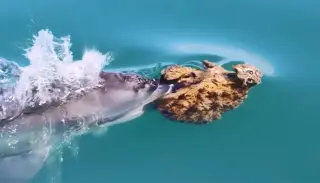
Rare footage from Shark Bay shows bottlenose dolphins using sea sponges as protective tools on their snouts to hunt along the seafloor. The behavior alters echolocation and is transmitted from mothers to offspring; only about 5% of the population uses it, and calves typically learn it over 3–4 years. Sponge shape changes the acoustic beam, affecting hunting efficiency, with cone-shaped sponges guiding clicks more narrowly than basket-like sponges. The study, led by Ellen Rose Jacobs of Aarhus University and the Shark Bay Dolphin Research Project, highlights cultural transmission and the costs of tool use in a changing ocean, and was published in Royal Society Open Science.

Brain scans reveal how humans map space with echoes
science6 months ago

Brain scans reveal how humans map space with echoes

An EEG study comparing expert echolocators to sighted participants shows that returning echoes help the brain build a spatial map of the surroundings, with the best performance from individuals who were blind from an early age. Echo-based perception improves over successive clicks, engaging both auditory and visual brain pathways and illustrating brain plasticity when vision is absent.

Brain Can Learn Echolocation in 10 Weeks, New Study Finds
science7 months ago

Brain Can Learn Echolocation in 10 Weeks, New Study Finds

A 10‑week program trained 12 blind and 14 sighted adults in echolocation techniques, with neuroimaging showing increased activity in the primary visual and auditory cortices. The study demonstrates that the adult brain can rewire to interpret echoes for spatial awareness, with experts achieving centimeter‑level precision, suggesting echolocation training could become a mainstream tool for vision impairment.

Scientists Uncover Secrets of Ancient Dolphin Skull
science1 year ago

Scientists Uncover Secrets of Ancient Dolphin Skull

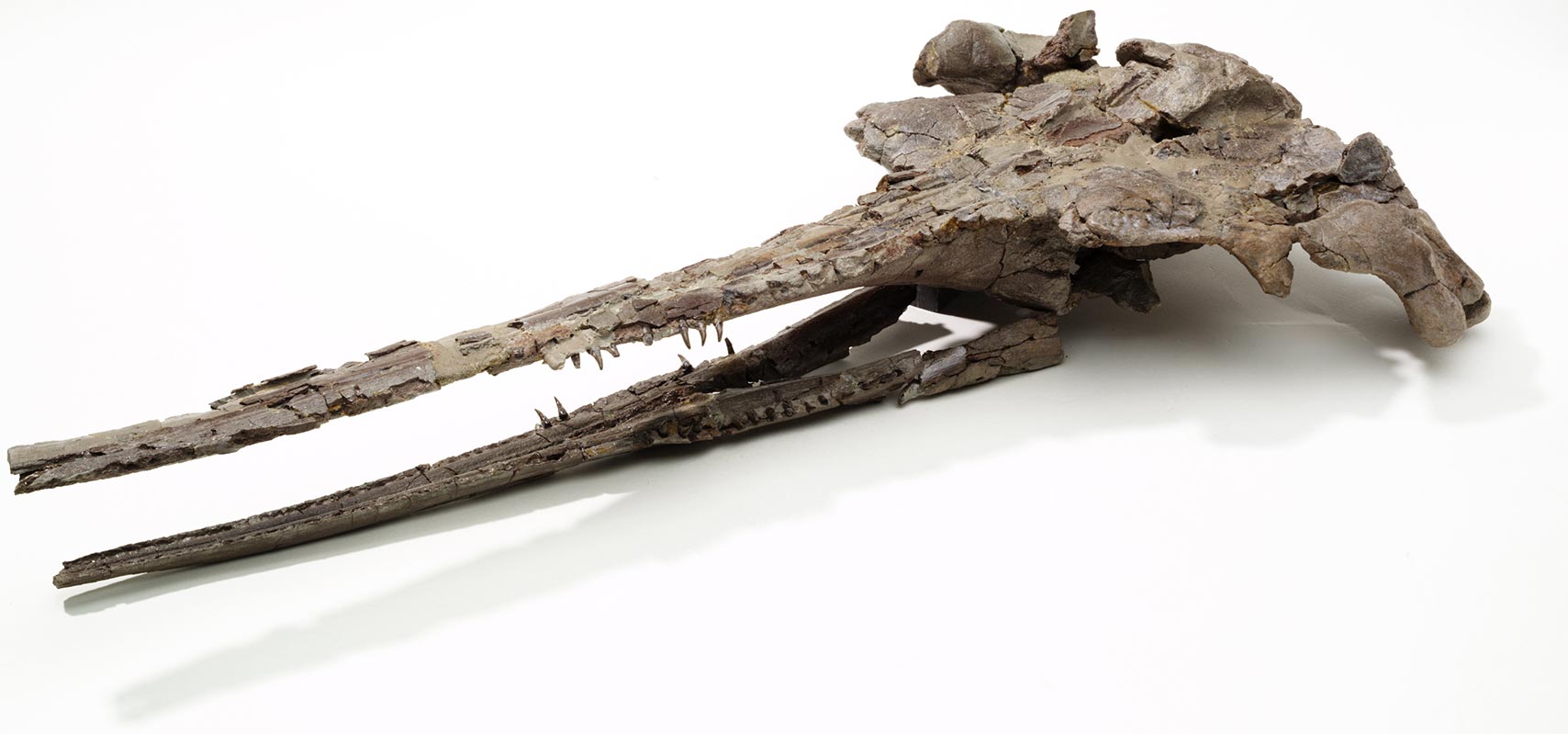
Researchers have discovered a new prehistoric dolphin species, Romaleodelphis pollerspoecki, from 22 million years ago in present-day Austria. This species, identified from a fossil skull, shows early evidence of echolocation abilities similar to modern dolphins. The discovery provides insights into the evolution of toothed whales and their auditory capabilities. The study, published in the Journal of Vertebrate Paleontology, highlights the dolphin's advanced hearing, which may have aided in communication and predator evasion.

Israeli Scientists Uncover New Insights into Bats' Echolocation
science1 year ago

Israeli Scientists Uncover New Insights into Bats' Echolocation

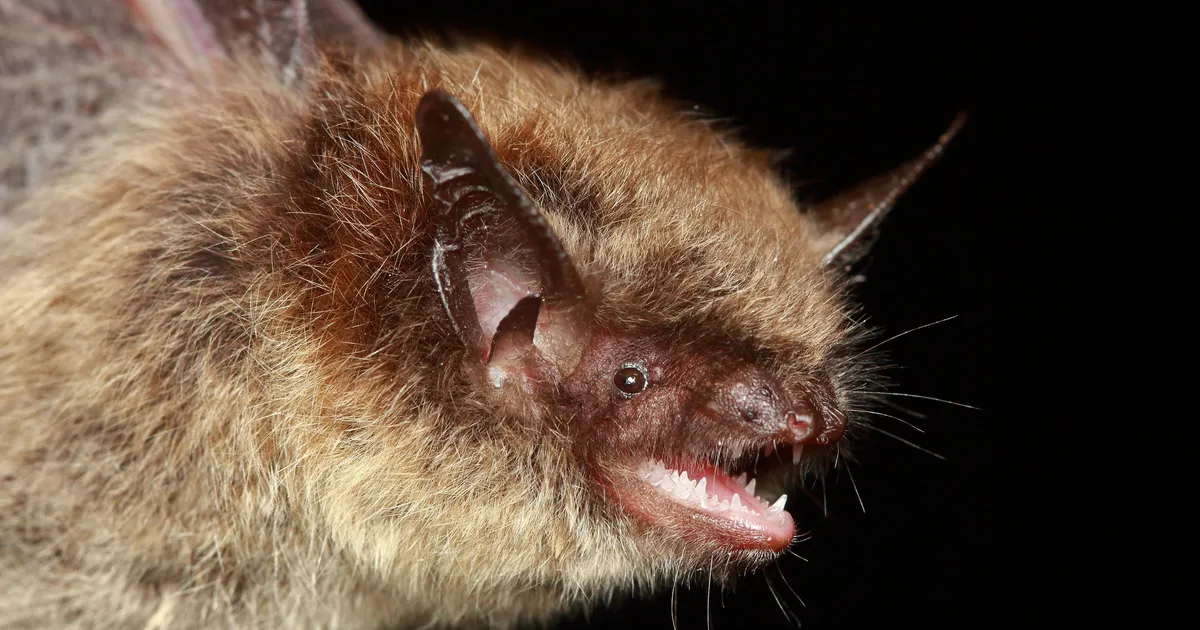
Israeli scientists at Tel Aviv University have discovered that Kuhl's pipistrelle microbats can navigate long distances using echolocation to create acoustic maps, even when blindfolded. This challenges the previous assumption that bats' sonar skills were limited to short-distance hunting. The study involved blindfolding the bats and isolating them from other sensory inputs, demonstrating their ability to find their way home using sonar-based navigation.

Dolphin-Cam: US Navy's Underwater Adventure Revealed
science1 year ago

Dolphin-Cam: US Navy's Underwater Adventure Revealed

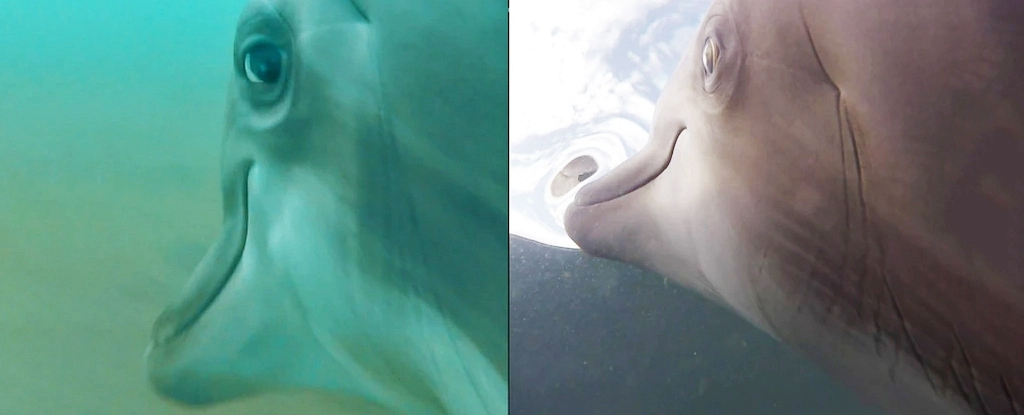
The US Navy conducted a study by attaching cameras to dolphins, revealing fascinating insights into their hunting strategies and communication. The footage showed dolphins using echolocation and vision to hunt various fish and even venomous sea snakes, employing techniques like suction feeding. This research, published in PLOS ONE, provides a deeper understanding of dolphin behavior and highlights the innovative work of the late Sam Ridgway, who contributed significantly to marine mammal science.