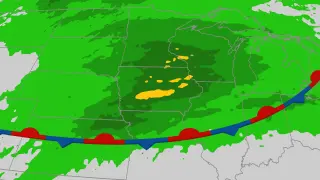
Forecasters warn of multi-day flooding across the Midwest and Central Plains as prolonged rainfall threatens rivers and roads; residents should stay alert for official updates and prepare for potential disruptions.
A new analysis of Google Trends search data ranks states by beer interest, with Wisconsin named America's top beer state for the second year in a row; the Midwest dominates the top ranks (Wyoming second, followed by Kansas, Nebraska and Iowa) and Pacific Coast states show lower beer-search activity. Brewers Association chief Bart Watson says regional beer culture and historic brand entry drive these patterns, while Michelob Ultra leads overall search interest and Stella Artois is most popular in several states. Experts note that search trends reflect interest and brand dynamics more than actual sales.
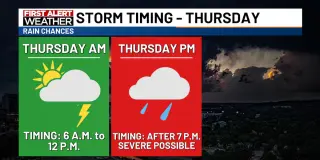
A line of storms blasted SE Minnesota and NE Iowa early Wednesday, delivering damaging winds (70–90 mph, with Rochester around 60 mph) and heavy rainfall of 1–2.5 inches before exiting by 3–4 a.m. A Level 2 severe-weather risk is forecast for Thursday, with two possible rounds of storms: morning development and a potential evening/overnight system capable of damaging winds and, more rarely, isolated tornadoes; forecast confidence is low to moderate.
Powerful thunderstorms across the US Midwest left about 540,000 homes and businesses without power, with Indiana hardest hit (roughly 267,000 outages). Utilities mobilized thousands of workers as restoration work could take days amid widespread damage from downed lines, trees, and flooding. The system disruptions came with multiple fatalities and flood rescues, prompting state responses including National Guard support and emergency efforts in several states.
A powerful derecho that began in eastern Iowa swept through Illinois, Indiana, Ohio and Kentucky on Aug. 11 with gusts near 100 mph, causing widespread damage and more than a million power outages; the storm produced EF-1 tornadoes in Delaware County, led to at least one death in Indiana, and prompted emergency declarations and National Guard assistance.
A partial solar eclipse will sweep across North America on Wednesday, with the Midwest seeing only a small bite of the Sun (Chicago area likely under 1% coverage; Detroit around 3%). The U.S. partial phase runs roughly 10:34 a.m.–1:52 p.m. CT, peaking near 11:52 a.m. CT. A broader list of viewing spots shows varying coverage (e.g., Montreal 18%, St. John’s 53%). The next coast-to-coast total solar eclipse isn’t until 2045, but Chicago should see about 60% of the Sun’s surface during the January 14, 2029 partial eclipse. For viewing, check clear skies and consult NASA/Time and Date data for precise timing.
A fierce storm system swept the US Midwest, with gusts reaching up to 99 mph in Gary, Indiana, leaving more than 800,000 customers without power across Illinois, Indiana, Ohio and Kentucky. Three fatalities were reported: a four-year-old child in Jennings County, Indiana; a person in a suspected weather-related house explosion in Portage, Indiana; and an Ohio resident whose death followed flooding that impeded responders in Roseville. Officials warned of ongoing flash flooding, tornadoes, and dangerous winds as emergency crews continued restoration efforts and governors declared emergencies.
Severe storms swept across the Midwest, spawning tornadoes and flash floods that left fatalities and significant damage reported across several states, including Indiana, Illinois, Michigan, Ohio and Kentucky.
Realtor.com’s 2026 ZIP code analysis finds the hottest markets are in the Northeast and Midwest, led by Peabody, MA (01960) and clusters around major metros; inventory in top markets remains tight (roughly 60% below pre‑pandemic levels), buyers are paying above asking prices (average sale‑to‑list around 103.8%), and down payments average about 17% amid mortgage rates in the mid‑to‑high 6% range.
A temporary outage at a Minneapolis air traffic control facility serving about 330,000 square miles caused ground holds and flight delays across the Midwest, with systems later restored but several airports still affected as the FAA investigates the cause.
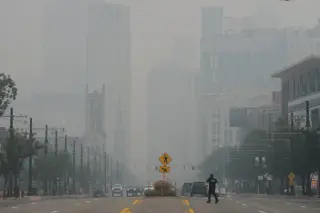
Smoke from major Canadian wildfires blankets the Midwest, Mid-Atlantic and Northeast, affecting about 109 million Americans with hazardous to very unhealthy air quality in cities like Chicago, Detroit, Philadelphia, Baltimore, Washington and New York. Officials urge staying indoors and using NIOSH-certified respirators for outdoor activity. Winds from Quebec are expected to push the plume east and then clear some areas this weekend, though a late storm could worsen conditions before Sunday events, while fires continue burning across Ontario and the Northwest Territories.
A Midwest cyclosporiasis outbreak is linked to shredded iceberg lettuce served at Taco Bell locations in Indiana, Kentucky, Michigan, Ohio, and West Virginia. Michigan health officials reported 4,312 confirmed cases and 102 hospitalizations as of July 17, with lettuce/greens noted as the possible source and no single supplier identified. Health officials recommend precautions: buy whole heads of lettuce, discard the outer leaves, thoroughly wash inner leaves, and cook greens to at least 158 F (70 C). Past outbreaks have been linked to bagged salad kits, cilantro, raspberries and other produce. If ill, seek medical care and request cyclospora testing; treatment involves antibiotics and hydration.
A plume of smoke from Canadian wildfires is degrading air quality from the US Midwest to the East Coast, with officials urging people to stay indoors and limit outdoor activity as health advisories remain in effect.
A scorching heat wave prompts cooling centers across the Midwest and outdoor-activity warnings as emergency crews hand out water, campuses limit air-conditioning or adjust schedules, and residents seek shade and hydration to cope with extreme temperatures.
Forecasters warn a dangerous heat dome will push the central and eastern United States into hot conditions through the Fourth of July weekend, with temperatures climbing from the 90s into the low 100s and in some places potentially reaching triple digits; daily records could be broken in Washington, D.C., Philadelphia, and New York City, as the heat persists across the region.