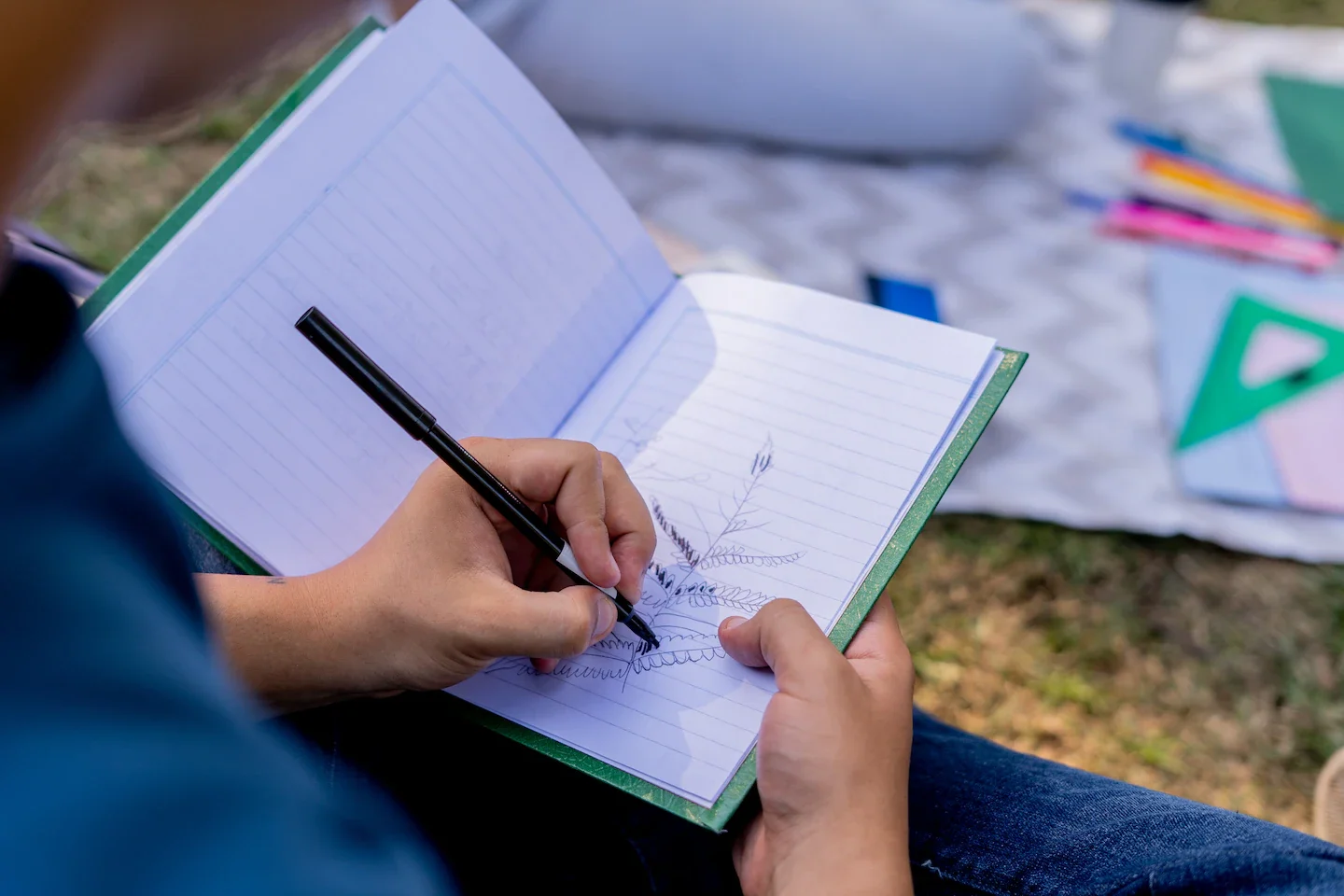
Experts say that a 10-minute drawing activates the brain’s reward system and calms the nervous system, making quick sketching a practical, accessible form of stress relief that’s trending in art therapy and on social media.
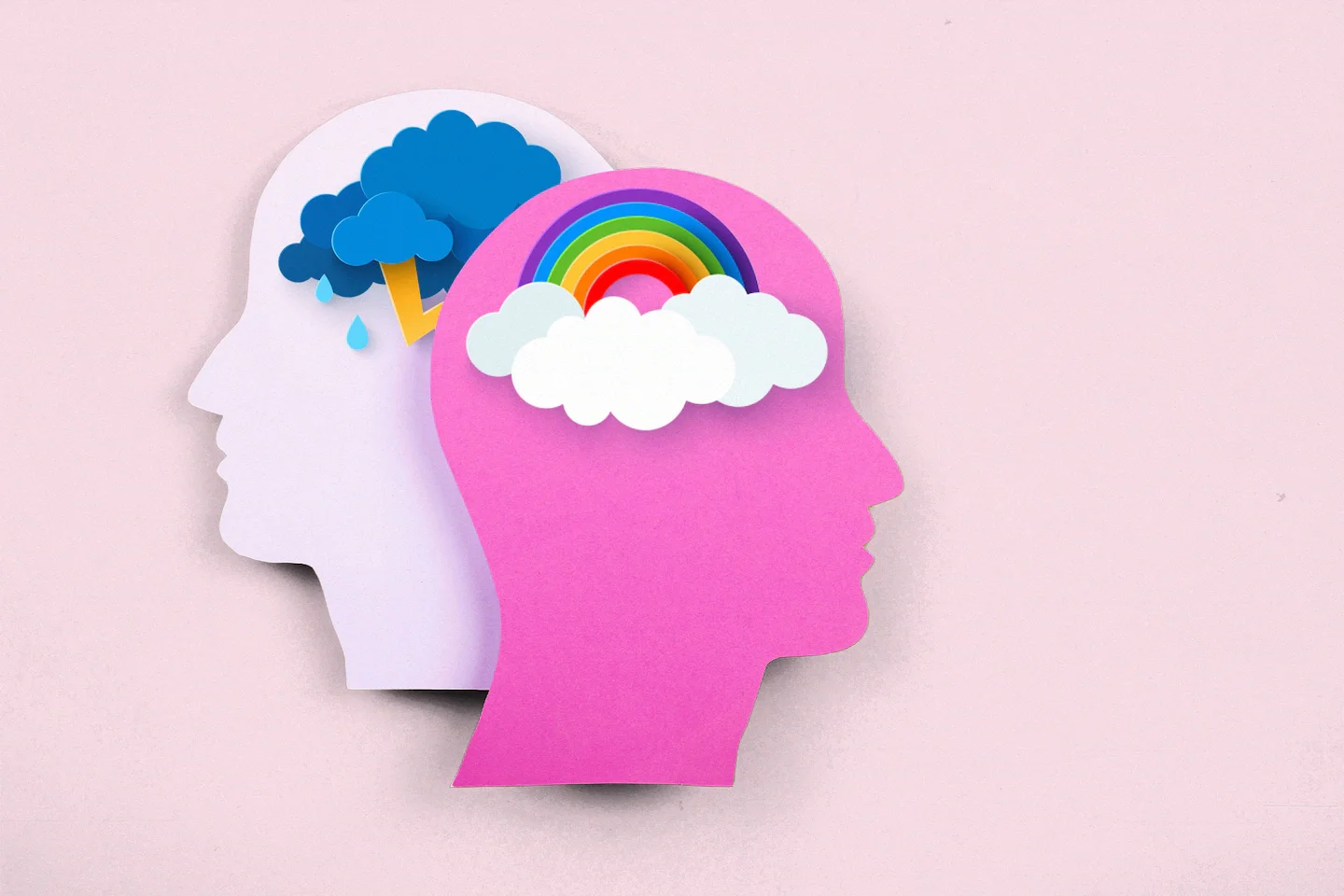
Three randomized trials published in JAMA suggest positive affect treatment (PAT) can be more effective than traditional therapy at lifting mood and reducing negative symptoms in depression by teaching patients to add and savor positive activities and retrain the brain’s reward system. While replication across studies is encouraging, researchers call for larger samples. The article also outlines practical PAT strategies for everyday life, such as planning enjoyable activities, savoring moments, finding silver linings, and practicing generosity to boost mood, alongside the reassurance that professional help remains important when needed.
A study in healthy volunteers shows training people to recruit the brain's reward system through positive thinking increased their antibody response to a hepatitis B vaccine, suggesting mind–body strategies could complement vaccination. The effect was observed after four brain-training sessions and may not translate to clinical outcomes; larger trials are needed to determine practical benefits and whether other immune factors are affected.
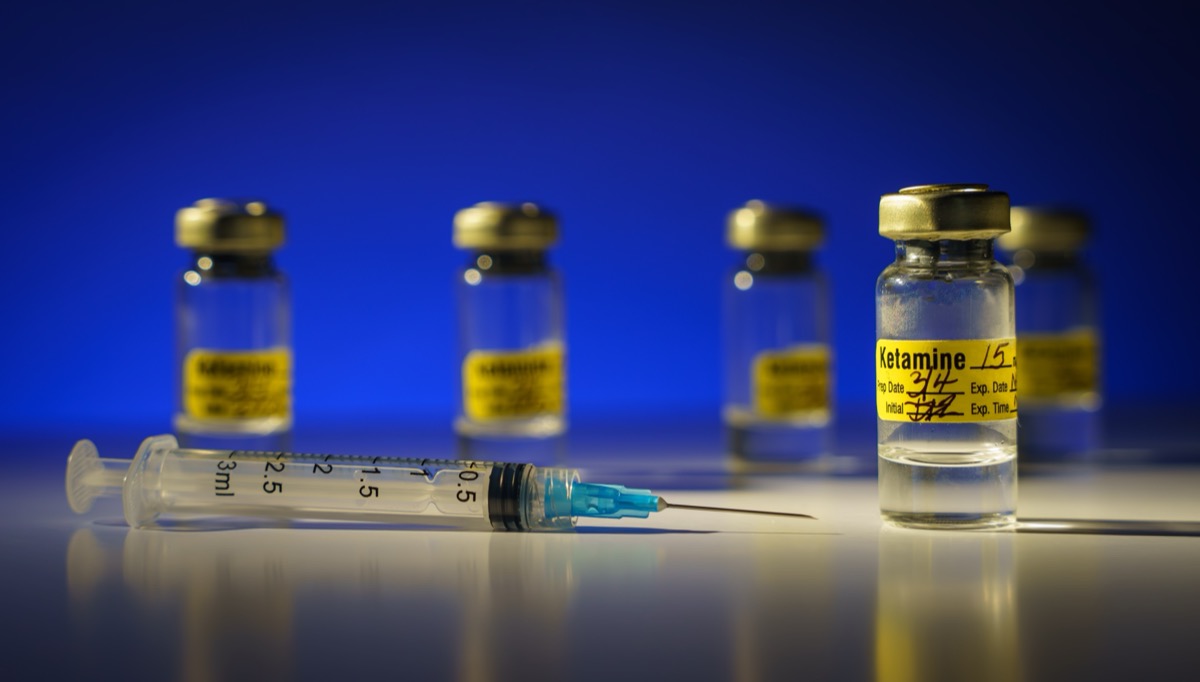
Research shows that ketamine can quickly restore connections in the brain's reward system disrupted by stress, effectively lifting depression symptoms in animal models by reconnecting motivation-related cells, offering insights into its rapid antidepressant effects.