well-being21.745 min read
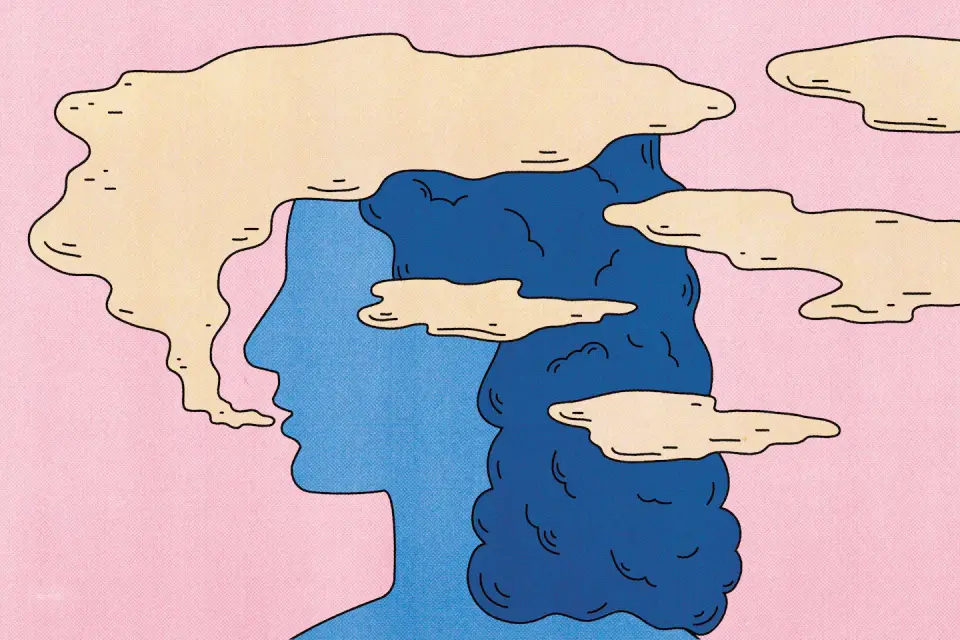
Scientists weigh in on tiny cannabis habits and health risk
1 month ago•Source: The Washington Post

The latest well being stories, each synthesized from multiple sources with added background and context.
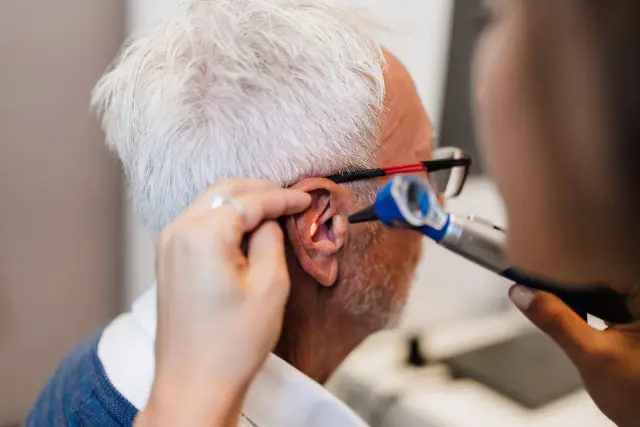
The piece highlights six subtle signs of age-related hearing loss—such as trouble following conversations in noisy settings and persistent tinnitus—and offers practical steps: get a professional hearing test, protect your ears from loud noise, consider hearing aids, and use strategies to stay engaged in social activities.
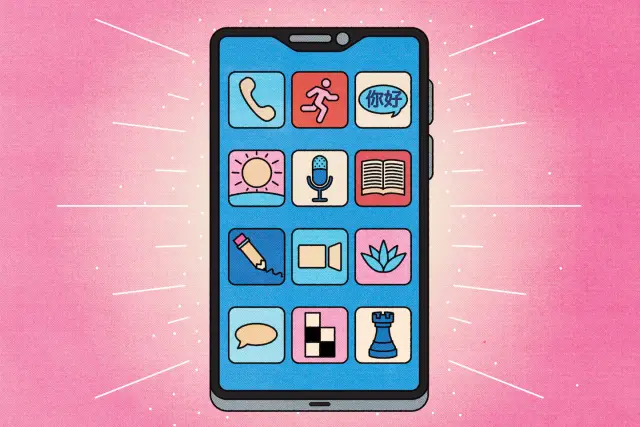
The Washington Post•1 month ago
The Washington Post•1 month ago

Both cottage cheese and Greek yogurt are protein-rich staples, but dietitians note key distinctions: Greek yogurt typically has more protein and a thicker texture, while cottage cheese can be lower in sugar and calories depending on fat content; choosing plain varieties and aligning with goals like satiety and bone/metabolism support is advised.

Experts say that a 10-minute drawing activates the brain’s reward system and calms the nervous system, making quick sketching a practical, accessible form of stress relief that’s trending in art therapy and on social media.
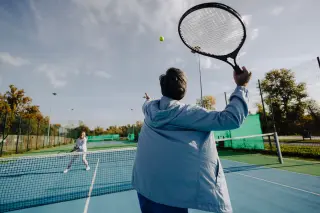
A Washington Post Well‑Being piece reports that research indicates high‑impact activities—such as running, tennis, hiking, skiing, and ballet—do not damage joints for people with hip or knee arthritis and may even lower hip‑replacement risk, with guidance to progress gradually and listen to your body.

A Minnesota couple who first met while both were being treated for traumatic brain injuries have reconnected years later, got engaged in the hospital where they met, and are now preparing to marry, bonded by their shared experiences and mutual understanding.
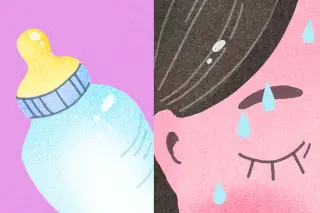
An increasing number of mothers over 40 report overlapping postpartum and perimenopausal symptoms—mood swings, brain fog and sleep disruption—as hormonal changes from childbirth intersect with aging, illustrated by a 44-year-old mom’s experience after a 2024 birth.
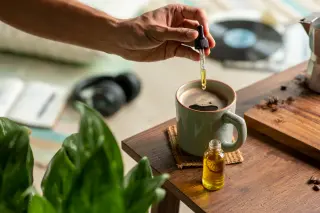
The Washington Post reports that smoking is the most common but also the riskiest way to use cannabis, and it outlines five safer alternatives. Among them, cannabis tinctures are noted for their quick onset (about 15 minutes), offering a faster option than edibles while aiming to reduce the harms associated with smoking, with input from experts like Dr. Peter Grinspoon.

The Washington Post piece explains the idea of a 'stress mindset'—that beliefs about whether stress helps or harms us influence anxiety and performance—and outlines six practical strategies to reframe stress as a resource to reduce daily anxiety and boost resilience.

Close social ties and support can boost health and resilience to stress and may even extend life; research suggests that marriage or partnership can bring specific health benefits, including mental health advantages and possibly lower cancer risk.
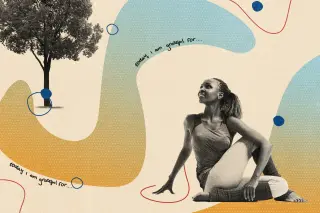
Renowned happiness researcher Sonja Lyubomirsky shares six daily, science-backed habits she uses to maintain a positive mood even during hectic schedules.

A 27-year-old with a master’s degree, having studied abroad and now employed, feels behind in life because of being single with only a few close friends and a recent nonverbal learning disorder diagnosis. She mourns the life she thought she’d have if the diagnosis had come earlier. The adviser responds with empathy, urges self-compassion, recommends reframing success beyond relationship milestones, and offers practical steps to build meaningful connections and seek support for neurodiversity as she moves forward.