Tag

Immune Response

All articles tagged with #immune response

Ink on skin, eye inflammation: tattoo-linked uveitis explained by optometrists
health26 days ago

Ink on skin, eye inflammation: tattoo-linked uveitis explained by optometrists

Tattoo-associated uveitis is a rare condition where chemicals in tattoo ink trigger an immune reaction that can breach the eye’s blood-ocular barrier and inflame the uvea, potentially causing pain, redness and light sensitivity. If left untreated, it may lead to glaucoma or cataracts and permanent vision loss. Australian studies show rising cases, with larger tattoos and black ink more often implicated, and risk factors including immune-related conditions like multiple sclerosis or certain arthritides. Treatments include steroid eye drops or injections and immunosuppressants, but outcomes vary (roughly 75% temporary vision loss and 17% permanent in some cases). If eye swelling or vision problems occur after a tattoo, consult an optometrist promptly for evaluation and possible referral to a specialist.

Brain Parasite Toxoplasma gondii Is Stopped by Immune Cells' Self-Destruct Switch
health-and-medicine1 month ago

Brain Parasite Toxoplasma gondii Is Stopped by Immune Cells' Self-Destruct Switch

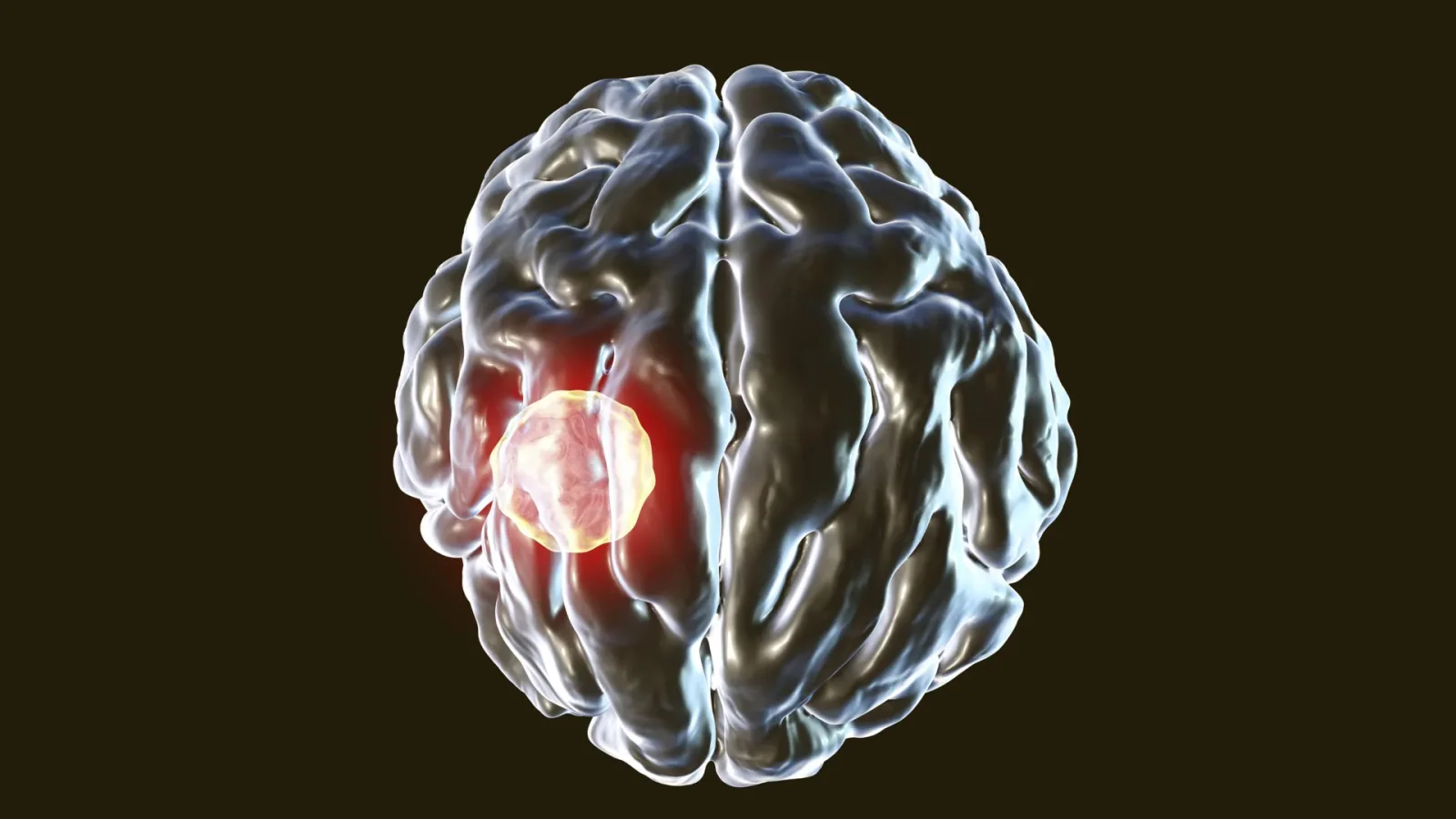
Researchers at UVA Health found that the brain parasite Toxoplasma gondii can infect CD8+ T cells, but these immune cells use the enzyme caspase-8 to trigger a self-destruct mechanism that kills the infected cell and the parasite inside. In mice lacking caspase-8 in their T cells, brain parasite levels were higher and outcomes worse, indicating caspase-8 is crucial for limiting brain infection. With about a third of people believed to carry T. gondii, most cases are asymptomatic, though toxoplasmosis remains a risk for the immunocompromised. The study, published in Science Advances, enhances understanding of how the immune system controls the parasite and why T cells’ self-destruction can prevent brain persistence.

Mindset boost linked to stronger vaccine antibodies, study finds
health2 months ago

Mindset boost linked to stronger vaccine antibodies, study finds

A study in healthy volunteers shows training people to recruit the brain's reward system through positive thinking increased their antibody response to a hepatitis B vaccine, suggesting mind–body strategies could complement vaccination. The effect was observed after four brain-training sessions and may not translate to clinical outcomes; larger trials are needed to determine practical benefits and whether other immune factors are affected.

Why a Cold Hits Some Harder: The Nasal Immune Response Holds the Key
science2 months ago

Why a Cold Hits Some Harder: The Nasal Immune Response Holds the Key

A Yale-led study using lab-grown nasal airway organoids infected with rhinovirus shows that the severity of colds depends on the early interferon response in nasal cells; robust interferon keeps infection to under 2% of cells, while blocking interferon leads to wider infection, increased inflammation and mucus, and slower cilia, explaining why symptoms vary and suggesting that boosting interferon early could help treatments.

Infections That Cause Unusual Mouth Taste
health3 months ago

Infections That Cause Unusual Mouth Taste

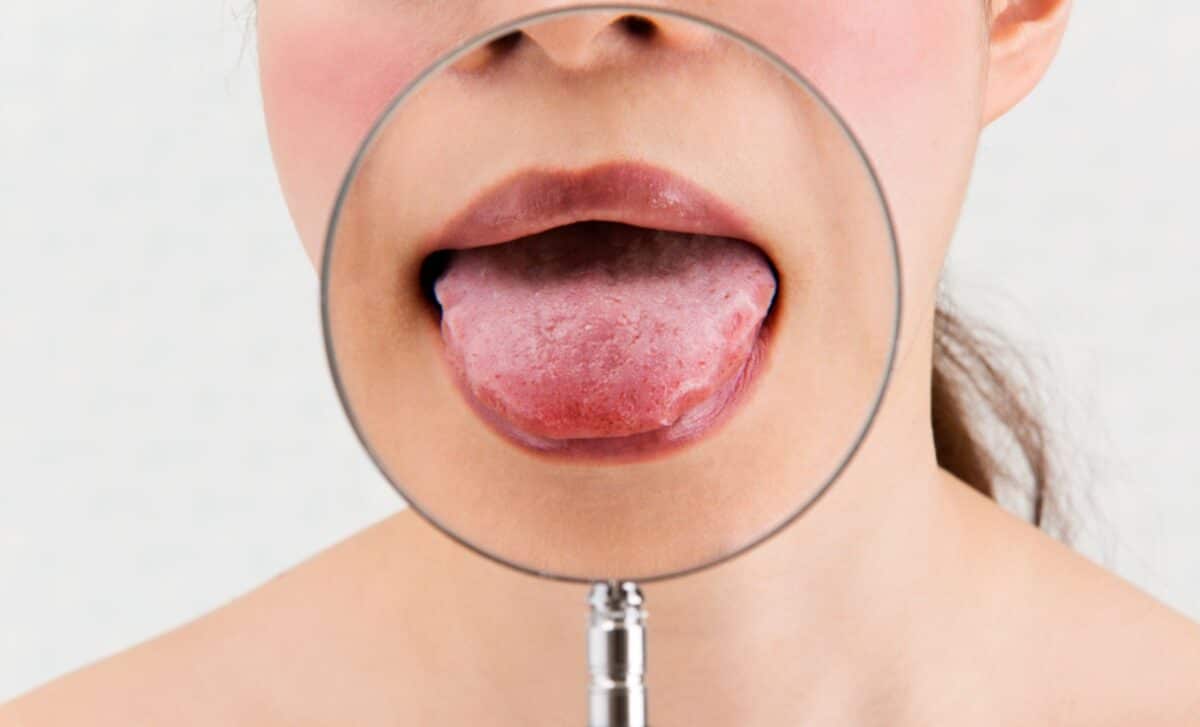
Unusual taste changes can be early signs of underlying health issues like infections, sinus problems, or immune responses, with recent research highlighting the role of inflammation and immune cytokines such as TNF in altering taste perception, especially bitter flavors. These symptoms often precede other symptoms and can be caused by respiratory illnesses, oral infections, medications, or neurological conditions, emphasizing the importance of investigating persistent taste disturbances.

NIH Topical Steroid Withdrawal Study Stalls Amid Federal Disruptions
health3 months ago

NIH Topical Steroid Withdrawal Study Stalls Amid Federal Disruptions

An NIH study aimed at understanding topical steroid withdrawal (TSW), a painful skin condition, was halted due to federal budget cuts and layoffs, delaying crucial research and leaving patients without definitive answers. Despite initial promising findings suggesting microbiological differences in TSW, subsequent studies were paused, highlighting the challenges of researching contested illnesses amid bureaucratic and political upheaval.

Study Links COVID Vaccine to Heart Risks in Specific Group
health3 months ago

Study Links COVID Vaccine to Heart Risks in Specific Group

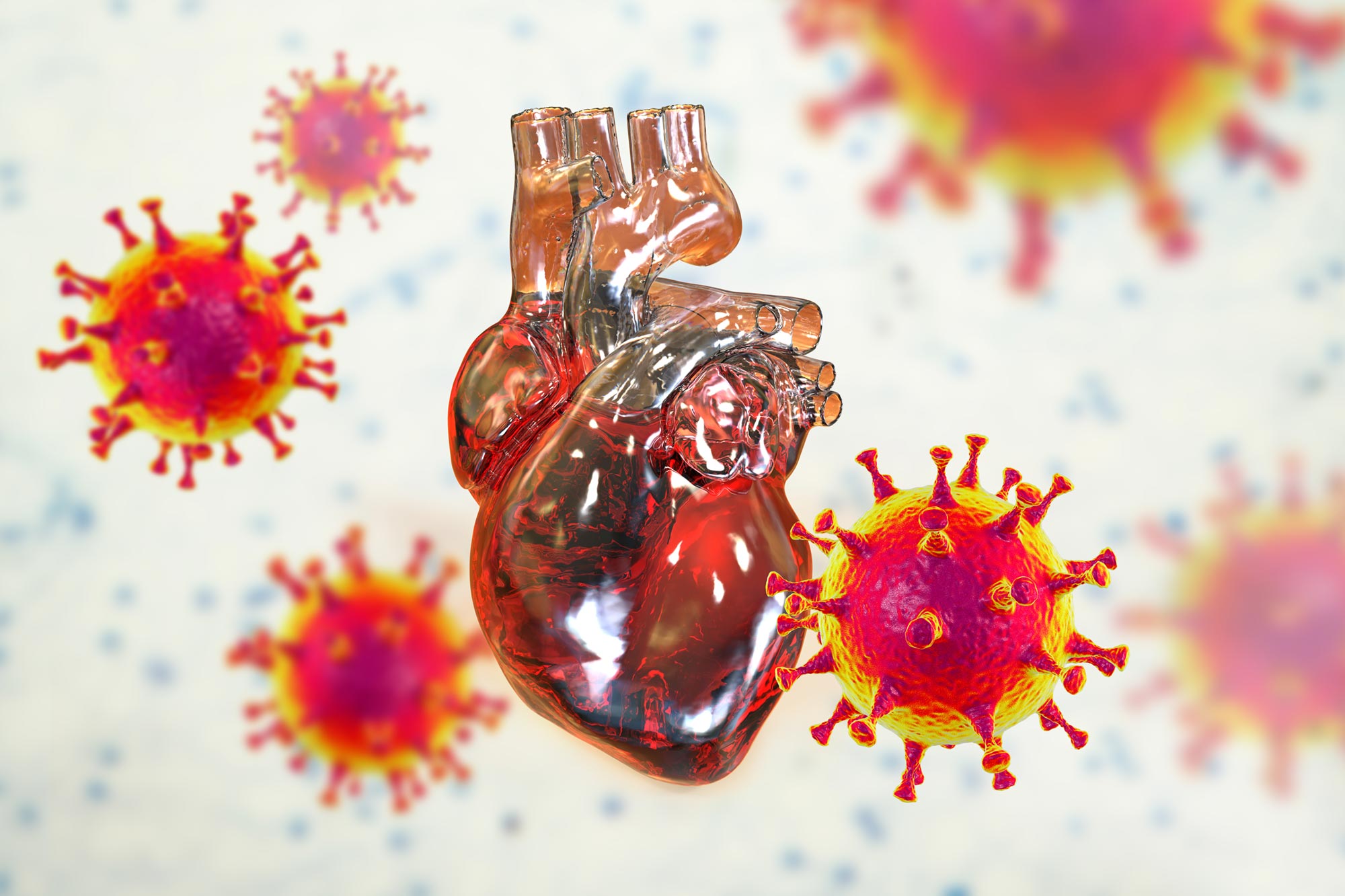
A Stanford study explains that myocarditis, a rare heart inflammation linked to COVID-19 vaccines, is caused by immune proteins CXCL10 and IFN-gamma. The research suggests that targeted immune modulation could reduce risk, especially in young males, without compromising vaccine benefits. The overall safety of COVID vaccines remains high, with myocarditis being a very rare side effect.

New research links inflammation to long COVID, promising potential treatments
health3 months ago

New research links inflammation to long COVID, promising potential treatments

New research suggests that long covid may be linked to chronic inflammation, with activated immune defenses persisting for over six months, leading to potential new treatment avenues targeting inflammation. The study highlights the need for further research and clinical trials to develop effective therapies for long covid, which affects millions worldwide.

Could COVID-19 mRNA Vaccines Pave the Way for Universal Cancer Treatment
health5 months ago

Could COVID-19 mRNA Vaccines Pave the Way for Universal Cancer Treatment

A study from the University of Florida suggests that an experimental mRNA vaccine, combined with existing immunotherapies, could broadly stimulate the immune system to recognize and destroy various cancers, potentially leading to universal cancer prevention and treatment strategies. The vaccine activates immune responses that not only target tumors but also promote immune memory and epitope spreading, offering hope for more effective, off-the-shelf cancer therapies and preventive vaccines. However, these findings are based on mouse models, and human trials are needed to confirm safety and efficacy.