Tag

Anhedonia

All articles tagged with #anhedonia

Three-Minute Game May Serve as a Depression Diagnostic Tool
health5 days ago

Three-Minute Game May Serve as a Depression Diagnostic Tool

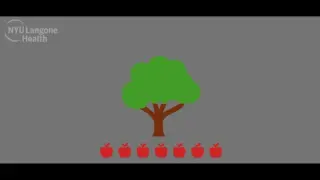
NYU researchers created a three-minute smartphone game to help identify major depression by measuring how people adjust to changing rewards; depressed participants switched trees earlier and bid differently on snacks, signaling distorted expectations and reduced pleasure response, with results correlating to illness severity. The team envisions the game as a remote diagnostic and monitoring tool—potentially prescribed to track treatment efficacy before next in-person visits, pending FDA clearance as a Class II medical device.

Joy-Rewiring Therapy Shows Promise Against Depression
health14 days ago

Joy-Rewiring Therapy Shows Promise Against Depression

A randomized trial of 98 adults with severe anhedonia, depression, and anxiety found Positive Affect Treatment (PAT)—a 15-session therapy designed to boost positive emotions and retrain the brain’s reward system—outperformed a conventional negative-emotion-focused therapy, with improvements in overall clinical status persisting at one-month follow-up and notable reductions in depression and anxiety symptoms. PAT targets the brain’s positive pathways (anticipation, response to reward, and reward learning) and may reduce key depression risks by enhancing meaningful activity, gratitude, savoring, and social connection.

Joy-First Therapy: A New Approach to Depression Shows Promise
health19 days ago

Joy-First Therapy: A New Approach to Depression Shows Promise

Three randomized trials published in JAMA suggest positive affect treatment (PAT) can be more effective than traditional therapy at lifting mood and reducing negative symptoms in depression by teaching patients to add and savor positive activities and retrain the brain’s reward system. While replication across studies is encouraging, researchers call for larger samples. The article also outlines practical PAT strategies for everyday life, such as planning enjoyable activities, savoring moments, finding silver linings, and practicing generosity to boost mood, alongside the reassurance that professional help remains important when needed.

Joy-Focused Therapy Shows Stronger Results in Depression Treatment
health1 month ago

Joy-Focused Therapy Shows Stronger Results in Depression Treatment

A new study argues that treating depression by boosting positive emotions—rather than just removing negative ones—may be more effective. Positive Affect Treatment (PAT) is a 15-session therapy designed to rebuild the brain’s capacity for joy, motivation, and reward through savoring, gratitude, and loving-kindness. In a randomized trial with 98 adults, PAT yielded greater overall clinical improvement and reduced suicidality and relapse risk compared with conventional therapies that target negative affect, with improvements linked to modulation of reward and threat processing.

Glp-1 drugs and 'Ozempic personality': when weight loss comes with emotional blur
health-and-wellness1 month ago

Glp-1 drugs and 'Ozempic personality': when weight loss comes with emotional blur

The Washington Post report highlights reports of emotional flattening and reduced motivation—often called 'Ozempic personality'—among some GLP-1 drug users (e.g., Ozempic/Wegovy). While many patients see weight loss and mood benefits, clinicians have documented anecdotes of dulled joy and motivation that sometimes improve when doses are lowered. The exact cause is unclear, with hypotheses ranging from pharmacological effects on dopamine-related reward pathways to psychological and lifestyle factors. Large studies show associations with mental-health changes and potential overall benefits in some cases, but causation isn’t established. Safety and personalized care remain the priority as researchers gather more data.

Polygenic anhedonia risk linked to altered reward-brain activity
neuroimaging3 months ago

Polygenic anhedonia risk linked to altered reward-brain activity

A German neuroimaging study found that individuals with higher polygenic risk scores for anhedonia show distinct brain activity during a monetary incentive delay task: they exhibit decreased activation in the bilateral putamen and left middle frontal gyrus during reward anticipation and reduced right caudate activity during reward feedback. Higher risk is also associated with lower activity in the left middle frontal gyrus when anticipating losses and during salience processing, while there is heightened activity in the bilateral putamen and right caudate during loss feedback. The results highlight the involvement of striatal and prefrontal circuits in genetic risk for anhedonia, though replication and further research are needed.

Understanding High-Functioning Depression: The Hidden Struggle
health9 months ago

Understanding High-Functioning Depression: The Hidden Struggle

High-functioning depression describes individuals who experience depression symptoms but continue to function normally in daily life, often hiding their struggles. Recognizable signs include emotional flatness, fatigue, poor concentration, and lack of joy, despite outwardly managing responsibilities. Experts emphasize that such depression is serious and warrants support, even if it isn't immediately obvious, and encourage seeking help through healthcare providers or support services.

"Beta Brain Waves Identified as Depression Marker"
neuroscience1 year ago

"Beta Brain Waves Identified as Depression Marker"

A study identifies beta frequency neural activity in the anterior cingulate cortex (ACC) as crucial for recognizing rewards and shaping behavior, which is altered in patients with depression. This neural signature could serve as a biomarker and potential treatment target for anhedonia, potentially leading to innovative therapies for mental health conditions involving disrupted reward processing.

The Impact of Depression on Social Decision-Making: Insights from Anhedonia
mental-health2 years ago

The Impact of Depression on Social Decision-Making: Insights from Anhedonia

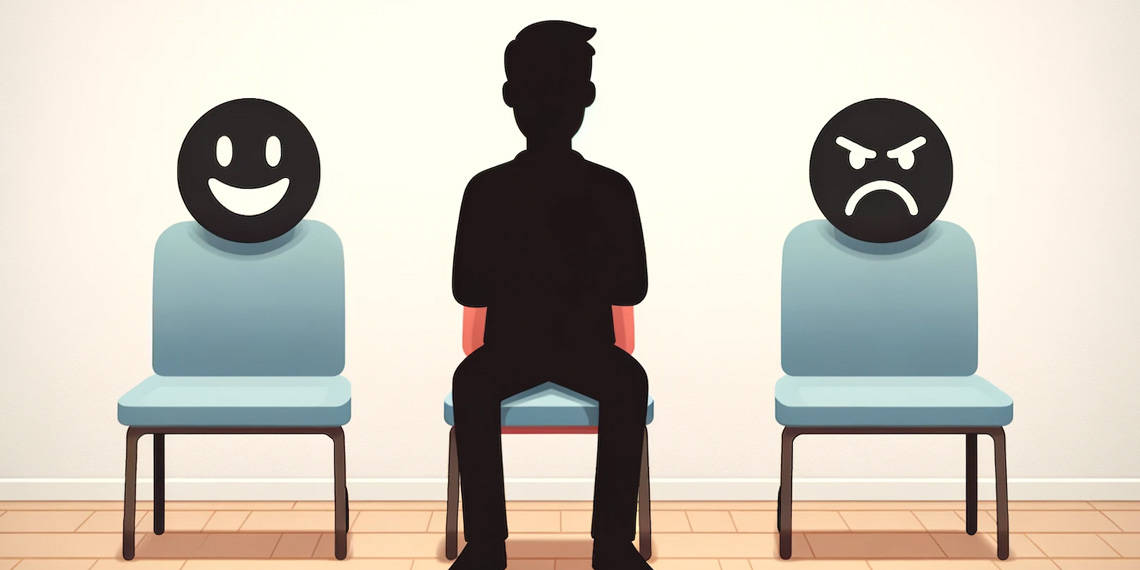
A study conducted in France found that individuals with depression are less inclined than healthy individuals to choose seats next to cheerful people, and this inclination is correlated with the intensity of their anhedonia symptoms. The experiment revealed that both healthy and depressive individuals tend to avoid sitting next to visibly angry people, preferring instead to sit beside those who appear happy. However, individuals with depression showed a weaker preference for sitting next to happy people. The study sheds light on the altered valuation and diminished willingness to exert effort in approach/avoidance decisions in socio-emotional contexts in depression.

Unveiling Anhedonia: Shedding light on a prevalent yet neglected depression symptom
mental-health2 years ago

Unveiling Anhedonia: Shedding light on a prevalent yet neglected depression symptom

Anhedonia, the reduced interest or pleasure in activities once enjoyed, is a common but often overlooked symptom of depression, affecting up to 75% of individuals with depression. Current treatment techniques for depression often do not adequately target anhedonia, leading to low response rates. Research suggests that therapies focusing on reward processing and antidepressants targeting neurotransmitters involved in the brain's reward system, such as dopamine, may be more effective in treating anhedonia. It is important for individuals experiencing anhedonia to seek help and treatment to alleviate symptoms.