Tag

Nhs England

All articles tagged with #nhs england

Pharmacists to treat 12 common conditions on the spot in England this autumn
health1 month ago

Pharmacists to treat 12 common conditions on the spot in England this autumn

England will let local pharmacies treat 12 common conditions on the spot this autumn, expanding the existing Pharmacy First service (which currently covers seven) to include migraines, acne, scabies, ear infections and badly blocked noses; the move aims to ease GP and A&E pressures and speed access, with a phased rollout starting in hundreds of pharmacies and expanding to thousands. Pharmacy leaders say funding may not cover the extra workload, though the scheme has already delivered millions of consultations since 2024.
Crawley widow urges NHS to fund life-extending cancer drug
health1 month ago

Crawley widow urges NHS to fund life-extending cancer drug

The husband of Crawley woman Fionnuala Quinlan-Bennett, who died at 32 from breast cancer that spread to her bones and liver, is calling on NHS England and NICE to fund the drug Enhertu. Breast Cancer Now says making Enhertu available on the NHS could help about 1,000 English women. NICE had previously deemed the treatment not cost-effective, but discussions are resuming after a higher cost‑effectiveness threshold was introduced following a US-UK trade deal, with the aim of reaching a commercial agreement to enable access.

England Nears Hepatitis C Elimination Milestone Ahead of 2030 Goal
health2 months ago

England Nears Hepatitis C Elimination Milestone Ahead of 2030 Goal

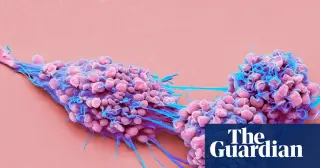
England is on track to eliminate hepatitis C, having met the target to treat 80% of known cases and seeing a 36% drop in related deaths over the past decade. Antiviral tablets cure more than 95% of cases in 8–12 weeks. NHS England has expanded diagnosis through A&E and GP testing, plus free at‑home tests, with over 100,000 people diagnosed and treated since 2015. About 50,200 adults live with hepatitis C in England (2024), with roughly 84.6% diagnosed (just shy of the 90% target). The 65% mortality reduction versus 2015 remains unmet but could be reached before 2030, as officials push to identify everyone at risk through free home-testing kits and targeted testing for people born in certain Eastern European countries.

SABR rollout slashes prostate cancer treatment from 20 to five sessions
health4 months ago

SABR rollout slashes prostate cancer treatment from 20 to five sessions

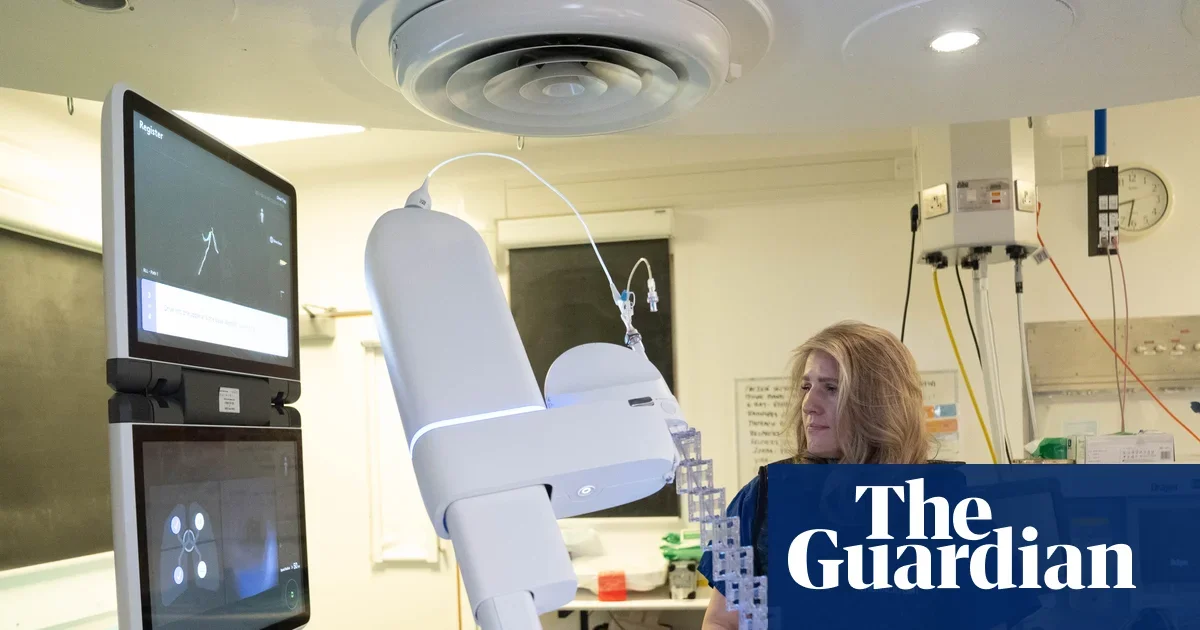
NHS England will offer SABR, a high-precision radiotherapy, to low- and intermediate-risk prostate cancer patients, cutting treatment from about 20 sessions to five and aiming to reduce side effects and speed recovery; around 17,500 men are in this risk group annually, with an estimated 3,500 likely to take up the option, and rollout across 48 radiotherapy centres is expected within weeks as trials continue for high-risk patients.

England approves first breakthrough ovarian cancer drug in over two decades
health4 months ago

England approves first breakthrough ovarian cancer drug in over two decades

NHS England has approved mirvetuximab soravtansine (Elahere) for FRα‑positive, platinum‑resistant epithelial ovarian, peritoneal or fallopian tube cancer, offering an option for hundreds of women each year and the first new drug for resistant ovarian cancer in over 20 years. The drug, given by IV every three weeks, delayed disease progression and extended median survival by about four months in a global trial, with a subset of patients showing tumor shrinkage and a tolerable safety profile. A new NICE approval, alongside a commercial arrangement with AbbVie, supports its use in NHS settings, potentially benefiting up to ~400 women annually in England.

UK teens increasingly prescribed antidepressants as specialist access lags
health6 months ago

UK teens increasingly prescribed antidepressants as specialist access lags

BBC analysis shows about 70,000 under-18s in England are prescribed antidepressants each year, with guidelines urging psychiatrist assessment first. But long waits for specialist help have some GPs prescribing or starting treatment outside guidelines to avoid leaving patients untreated, while others refuse. Antidepressants are used for depression, anxiety, bedwetting and pain and can have side effects; the NHS notes workforce growth but record demand remains, prompting calls for more accompanying mental health support and timely CAMHS access.

Interim report flags racism and staffing gaps in English maternity care
health7 months ago

Interim report flags racism and staffing gaps in English maternity care

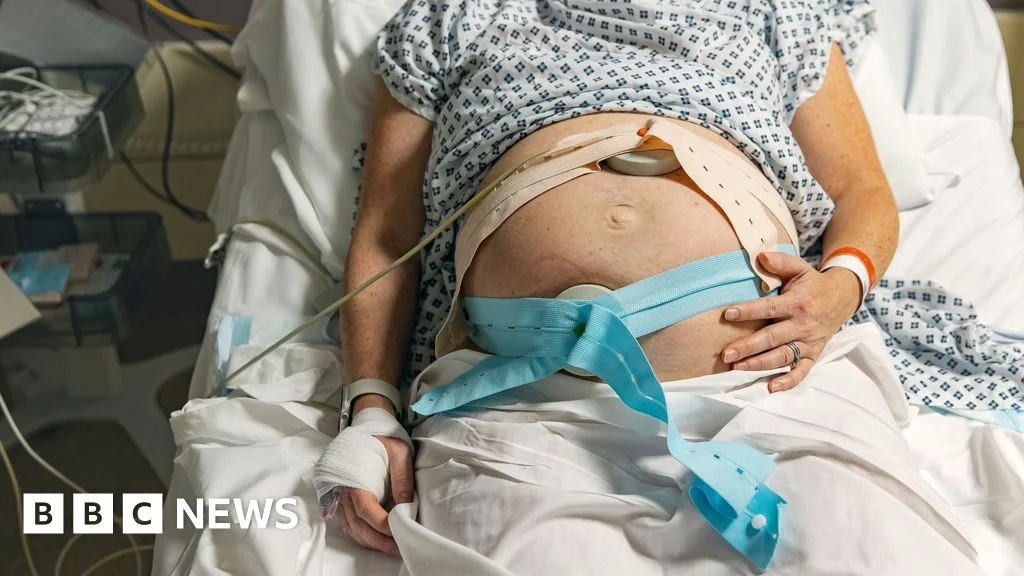
An interim review led by Baroness Amos finds maternity and neonatal services in England are failing too many families, with capacity pressures causing delays, poor staff relationships, structural racism and discrimination, outdated facilities, and insufficient bereavement support; six key issues are identified and final recommendations are due in April, prompting calls for urgent action and stronger accountability, possibly including a statutory inquiry.

England GPs offered £3,000 annual bonus to steer weight‑loss drug prescriptions
health7 months ago

England GPs offered £3,000 annual bonus to steer weight‑loss drug prescriptions

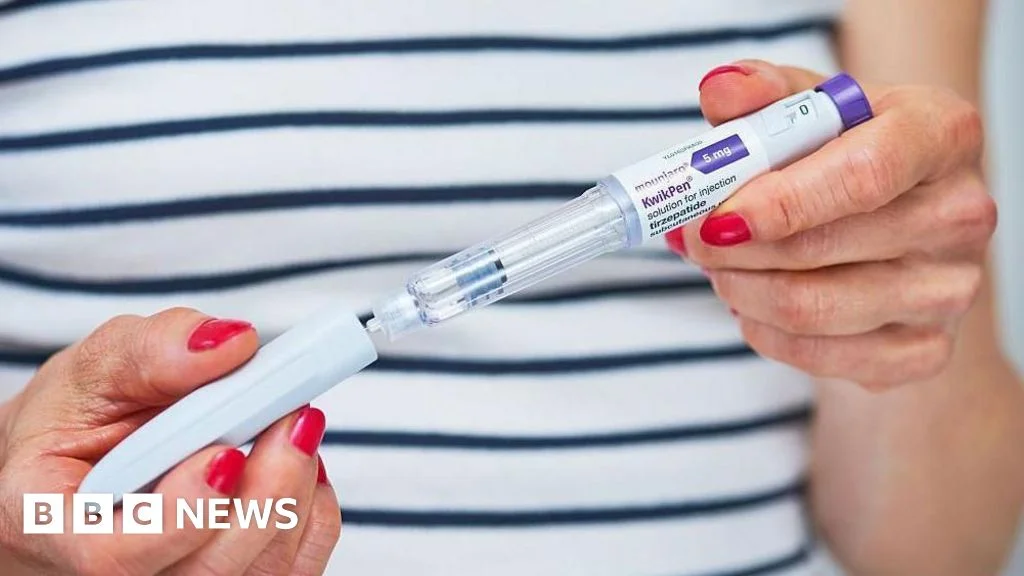
England’s health strategy will pay GPs £3,000 a year plus about £1,000 for referring patients to weight‑loss programmes to increase NHS prescriptions of the drug Mounjaro; Wegovy remains prescribed only through NHS weight‑loss services. Access to these drugs on the NHS remains tightly restricted (BMI thresholds and health conditions), with rollout described as patchy. Experts say the incentives may help access but won’t widen eligibility, and concerns about workload and realistic patient eligibility persist as the NHS aims to shift toward prevention and reach an expected 220,000 Mounjaro users by 2028.

health8 months ago

Bowel cancer screening threshold cut to boost early detection

NHS England will lower the home bowel cancer screening threshold for the FIT test from 120 to 80 micrograms of blood per gram of feces, making screening more sensitive and enabling earlier detection of cancers and high‑risk polyps. The change is expected to identify about 600 additional cancers and 2,000 more high‑risk polyps each year, with digital NHS App alerts and a nationwide rollout by March 2028, potentially reducing late‑stage diagnoses and saving around £32m a year.

Navigating Transgender Care: Insights from NHS England and Europe
healthcare2 years ago

Navigating Transgender Care: Insights from NHS England and Europe

A report commissioned by NHS England recommends further research on gender-affirming care for transgender youth and young adults, urging caution in the use of hormone therapies due to poor quality of published studies. The report calls for increased workforce, regional outlets for care, investment in research, and improved quality of care to meet international guidelines. It emphasizes the need for holistic care and early discussions with families, while also highlighting the lack of long-term follow-up data on minors receiving treatment. The recommendations aim to guide and shape the use of gender-affirming care in children and potentially impact youth patients in England accessing such care.

NHS England Bans Puberty Blockers for Children
health2 years ago

NHS England Bans Puberty Blockers for Children

NHS England has announced that children with gender dysphoria will no longer be prescribed puberty blockers due to insufficient evidence of their safety and clinical effectiveness. The decision follows a public consultation and review of available evidence, with new regional services for under-18s with gender dysphoria set to open next month without the use of puberty blockers, except for those participating in clinical trials. The move has been welcomed by the government but has raised concerns from LGBTQ+ rights groups and praise from organizations advocating evidence-based policymaking in gender identity services.

NHS England Bans Puberty Blockers for Trans Youth
healthcare2 years ago

NHS England Bans Puberty Blockers for Trans Youth

NHS England has announced that trans youth will no longer be prescribed puberty blockers at gender identity clinics, except as part of clinical research trials, which has been met with disappointment from trans youth charity Mermaids. The decision is seen as a blow to access to gender-affirming healthcare in England, with concerns raised about the impact on trans youth waiting for treatment. The move comes amid broader changes in trans healthcare in the UK, including the planned closure of the Tavistock clinic and its replacement with regional service centers.