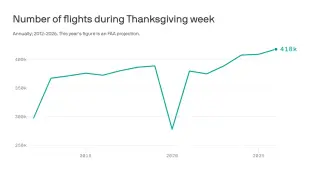
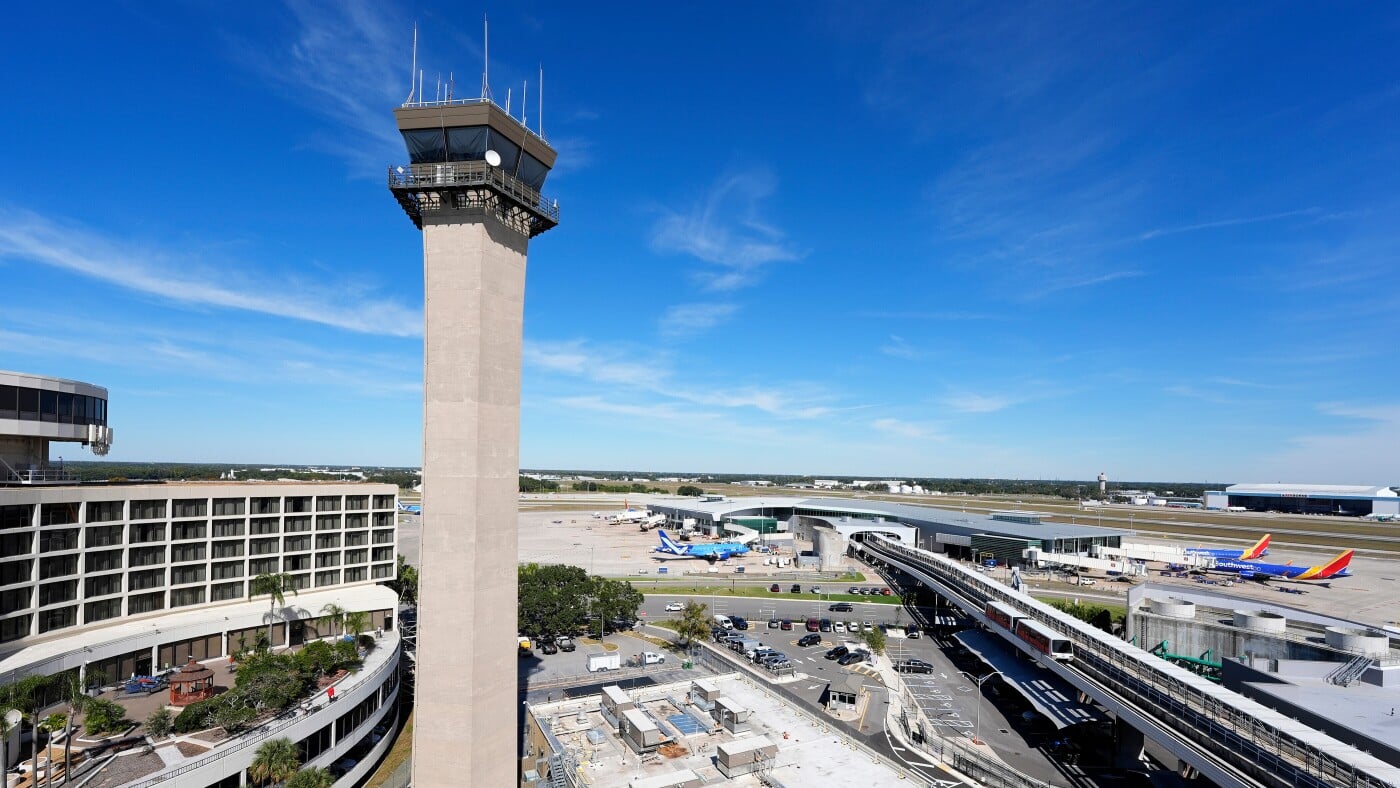
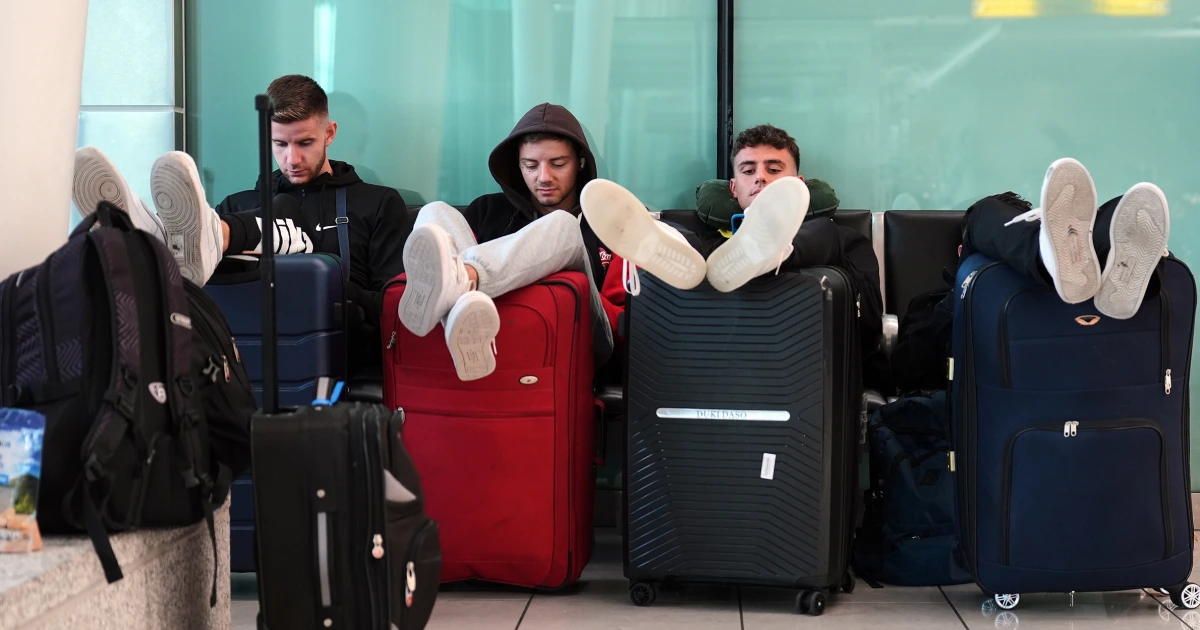
Thanksgiving travel is expected to be chaotic and expensive, with airfares up over 30% and weather threats looming. While 81.5 million Americans will travel, driving dominates due to high flight costs. Recent tech outages and coastal storms add to traveler anxiety.
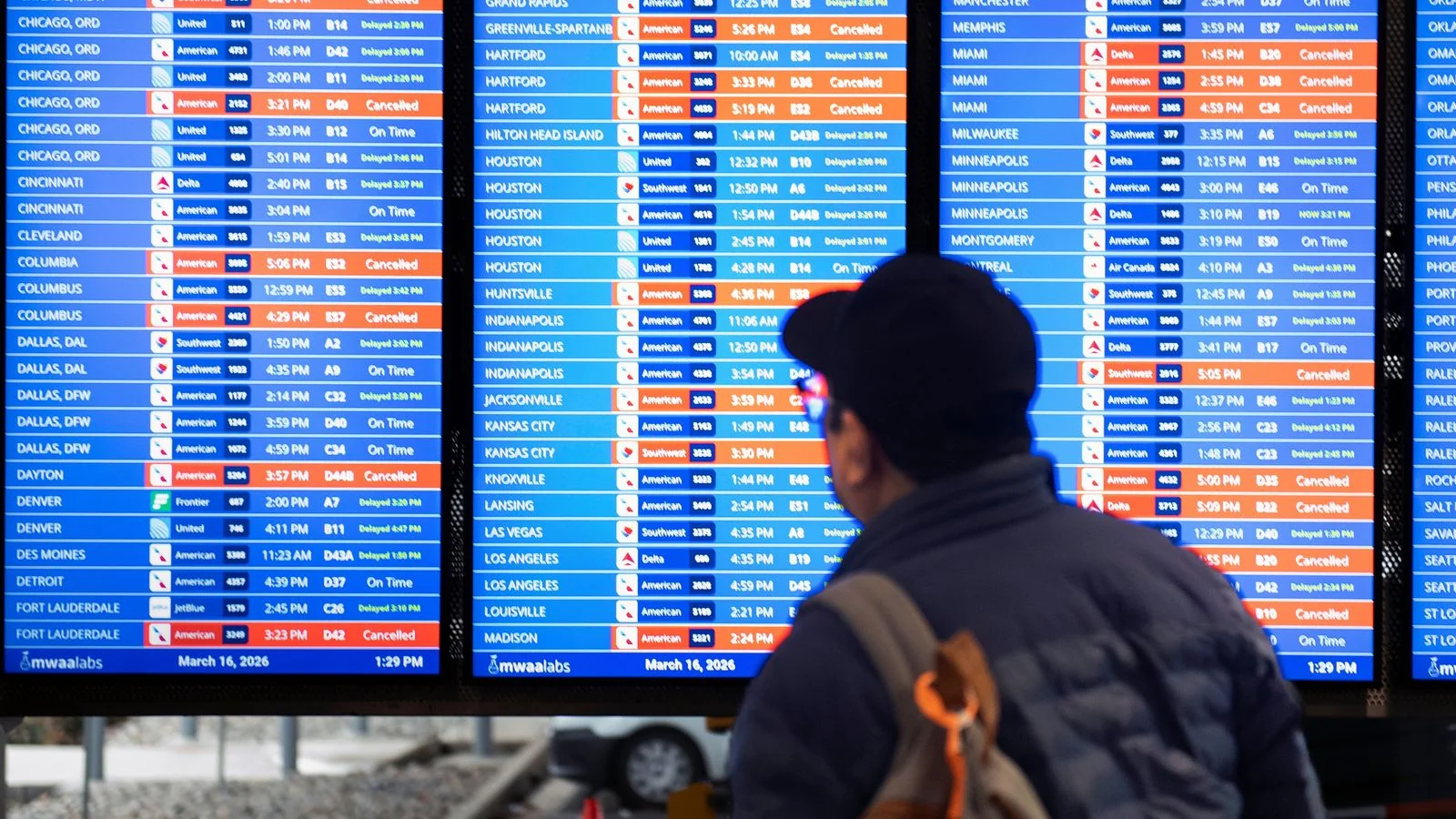
Severe storms sweeping the eastern United States have prompted tornado watches in multiple states and caused thousands of flight cancellations and delays, with major hubs like Reagan National, LaGuardia, JFK and Newark affected as authorities warn of damaging winds and widespread wind alerts impacting millions.
A historic March storm is delivering a Midwest blizzard along with East Coast severe weather, triggering tornado watches/warnings, widespread power outages, and massive travel disruption. Cancellations and delays at major airports pile up (thousands canceled, tens of thousands delayed) as ground stops and storm bands ripple from the Midwest to the Southeast and Mid-Atlantic. Forecasters warn of damaging winds, possible tornadoes, and dangerous travel conditions across a broad swath of the country as the system unfolds.
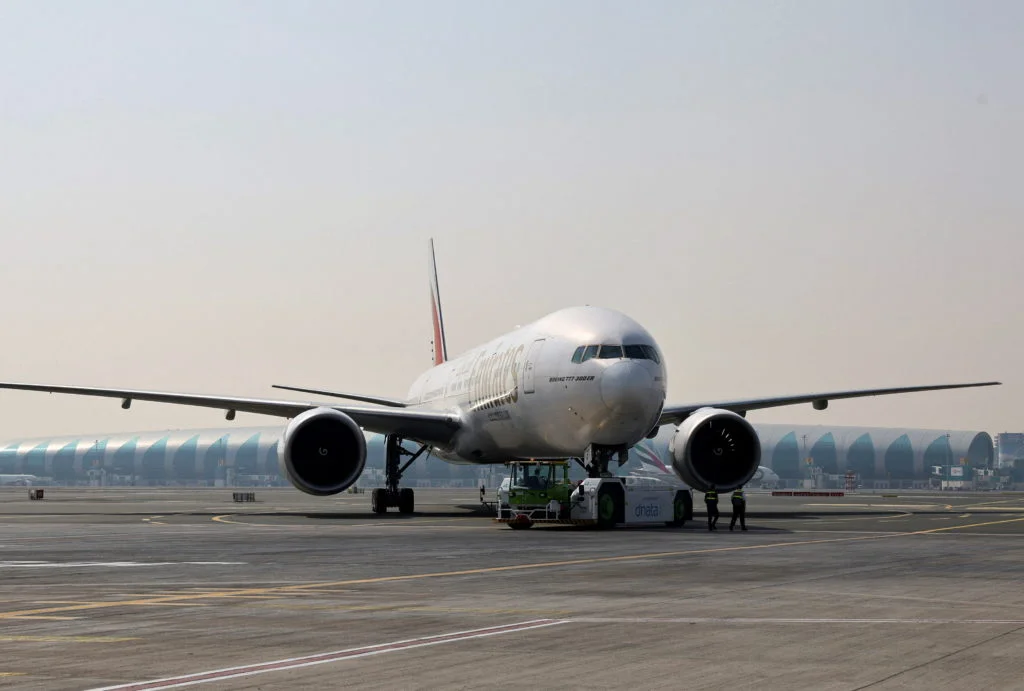
Geopolitical shocks, especially Iran's war and the ongoing Russia-Ukraine conflict, are disrupting air travel even for passengers not visiting conflict zones. Airlines reroute around danger zones, causing longer trips and higher fares; Middle East hubs like Dubai and Doha saw flights drop dramatically (from 13,000+ on Feb. 28 to about 800 on Mar. 1). Travelers should monitor flight status, review rebooking policies, enroll in the State Department’s STEP alerts, and consider travel insurance with cancel-for-any-reason add-ons. In addition, DOT rules now allow automatic refunds for significant delays/cancellations due to geopolitical events, and governments may offer evacuation options if needed.
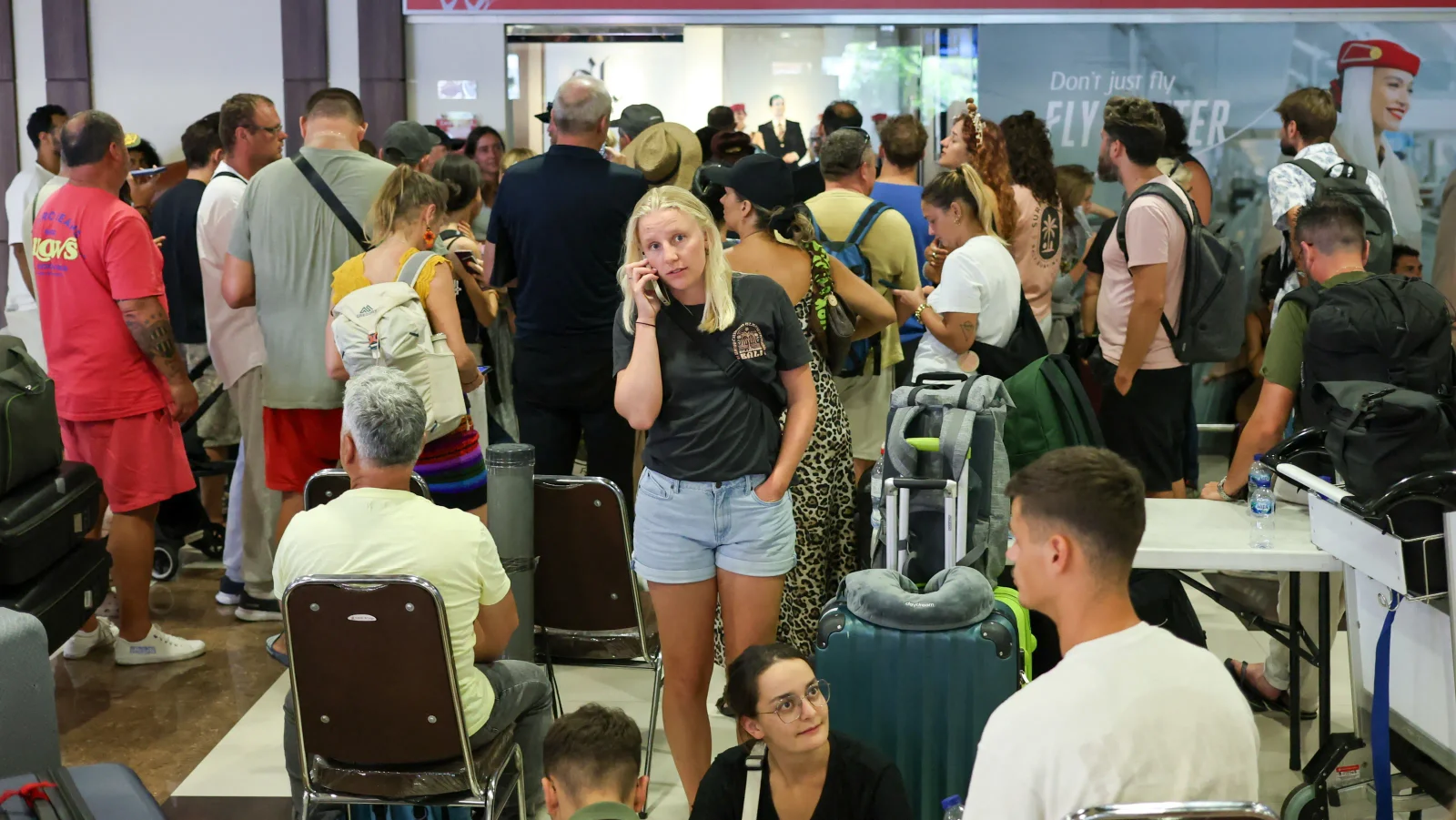
A U.S. and Israeli strike on Iran prompted immediate airspace closures across the Middle East, forcing hundreds of flights to be canceled or diverted and leaving tens of thousands of travelers stranded worldwide, with Dubai and Abu Dhabi airports heavily affected as carriers including Emirates, Qatar Airways and Etihad suspend or reroute service; the duration remains uncertain and travelers are advised to check status and watch for waivers or rebooking options.
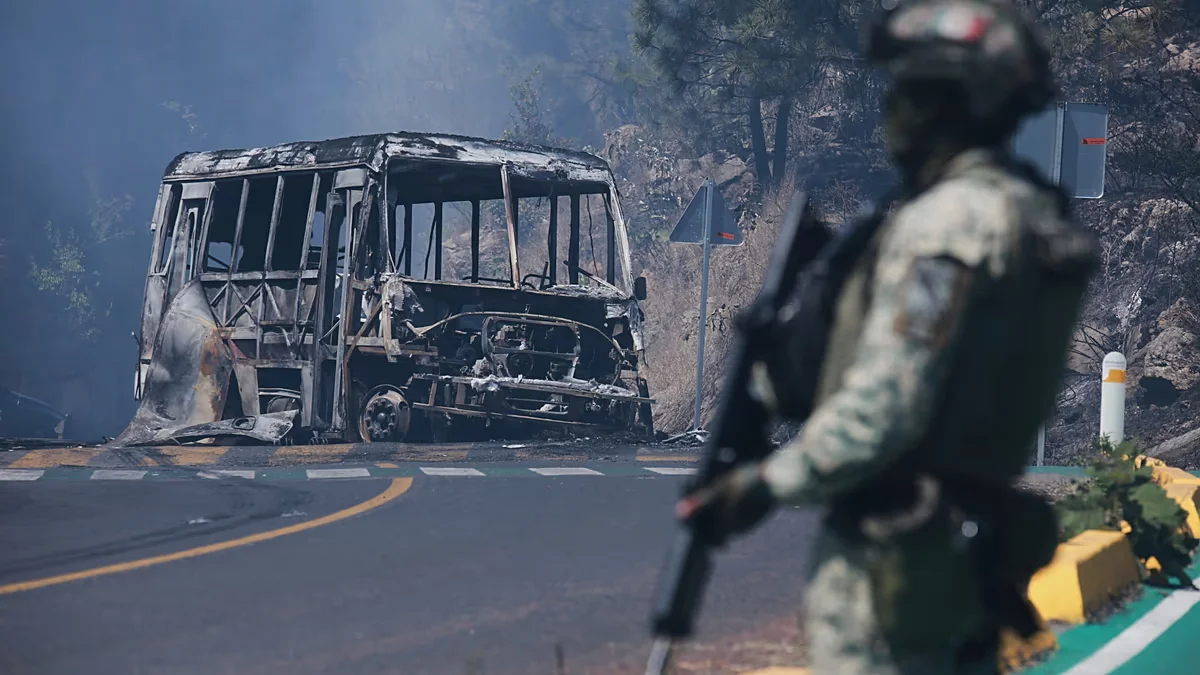
After cartel boss El Mencho was killed in Jalisco, violence led to roadblocks and arson, prompting US and UK travel advisories to shelter indoors in areas like Puerto Vallarta and Guadalajara. Some international flights to Puerto Vallarta and Guadalajara were disrupted or rescheduled, though airports remain open and others (Baja California, Quintana Roo, Oaxaca) reported normal operations as authorities coordinate with security forces. Airlines have waived change fees in some cases, and travelers should stay alert and follow local guidance, as the situation can evolve.
A rapidly intensifying nor'easter off the U.S. East Coast is undergoing bombogenesis, delivering hurricane‑force winds (60–80 mph), heavy snow (up to a foot in parts of the Carolinas), and major coastal flooding across the Southeast. The storm has prompted emergency declarations, widespread travel disruptions with thousands of flights canceled or delayed, and dangerous conditions as it moves ashore, with impacts extending from the Carolinas into Georgia and Virginia.
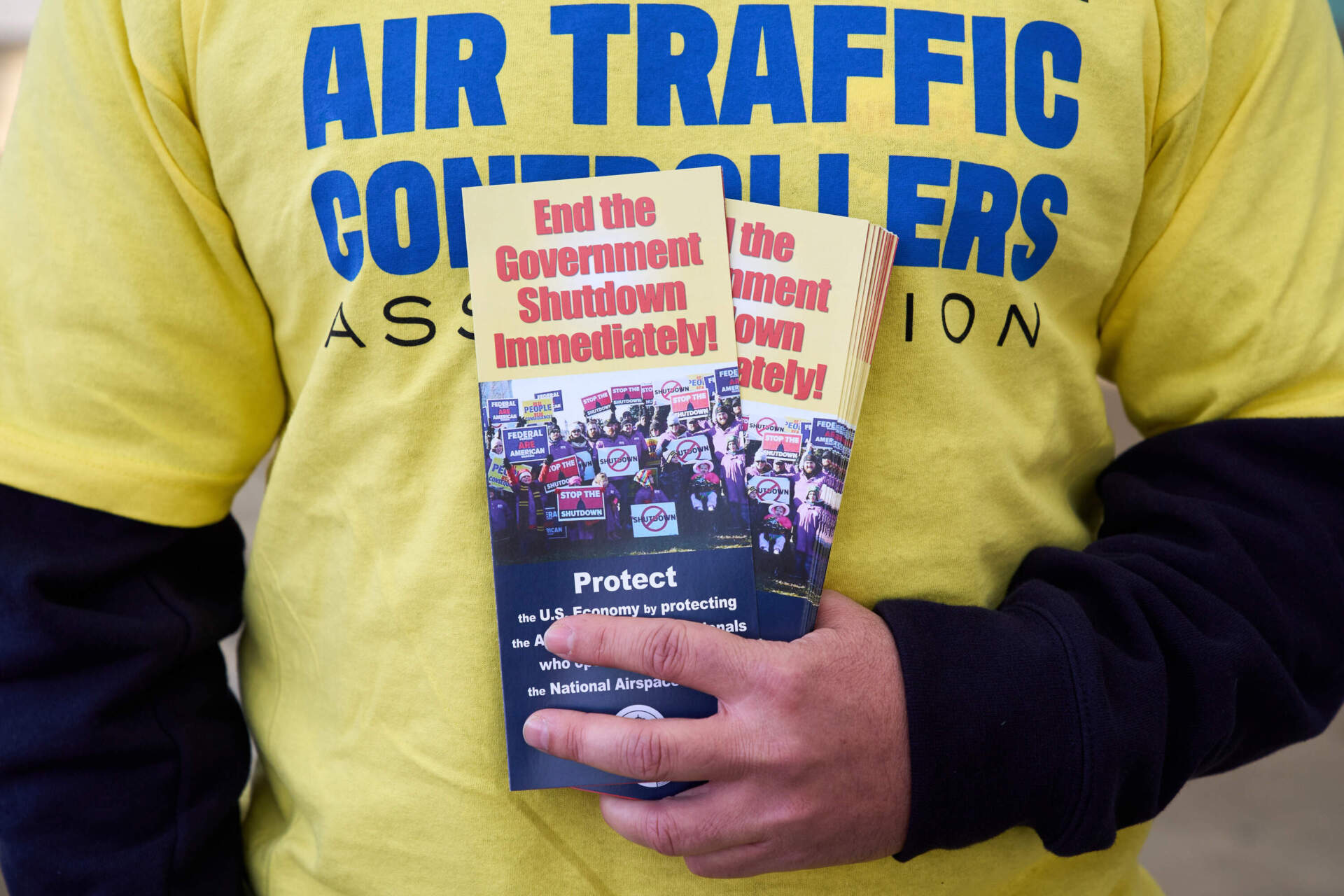
Flight disruptions at U.S. airports are expected to continue even after the government reopens due to staffing shortages among air traffic controllers caused by the shutdown, leading to flight cancellations and reduced schedules that may take days to normalize.
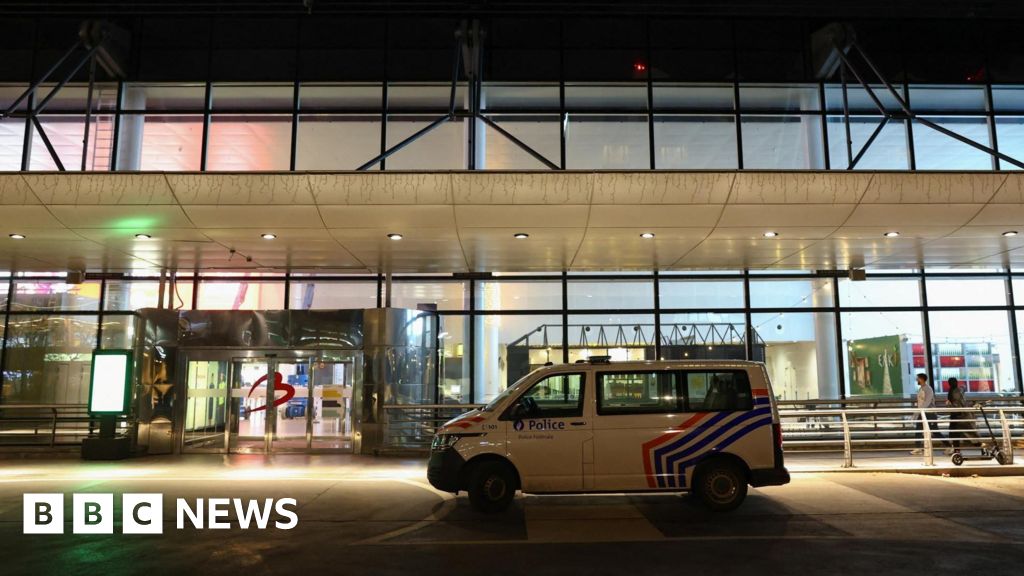
Suspected drone sightings caused widespread flight disruptions across Belgian airports, including Brussels and Liege, leading to suspensions, delays, and diversions, amid ongoing investigations into targeted drone activity near military bases.
The ongoing government shutdown has led to air traffic controller pay delays and staffing shortages, causing flight disruptions and raising safety concerns among pilots, who warn that political conflicts are affecting aviation safety and the airline industry's future.
Airport delays across the U.S. continue for a second day due to staffing shortages caused by the government shutdown, with over 6,000 delays reported, as air traffic controllers work without pay and face increased stress and sick calls, prompting calls to end the shutdown to restore normal operations.
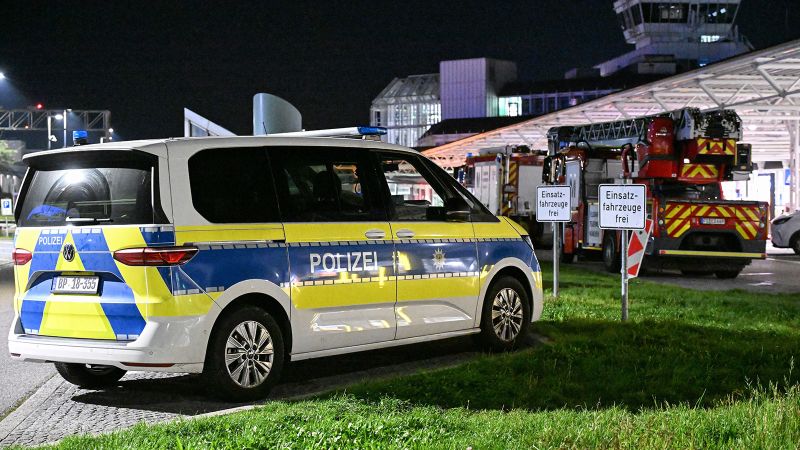
Munich Airport in Germany was temporarily closed after a wave of drone sightings, grounding 17 flights and diverting 15 others, amid heightened European security concerns related to drone activity and regional tensions. The airport is expected to reopen at 5 a.m., as authorities investigate the incidents, which are part of a broader pattern of drone sightings across Europe linked to security threats and geopolitical tensions.
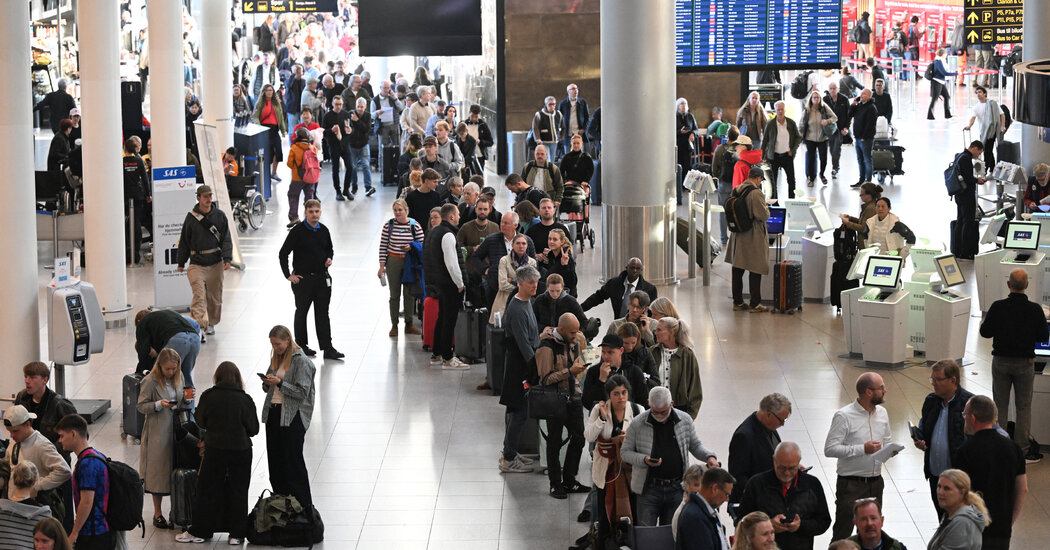
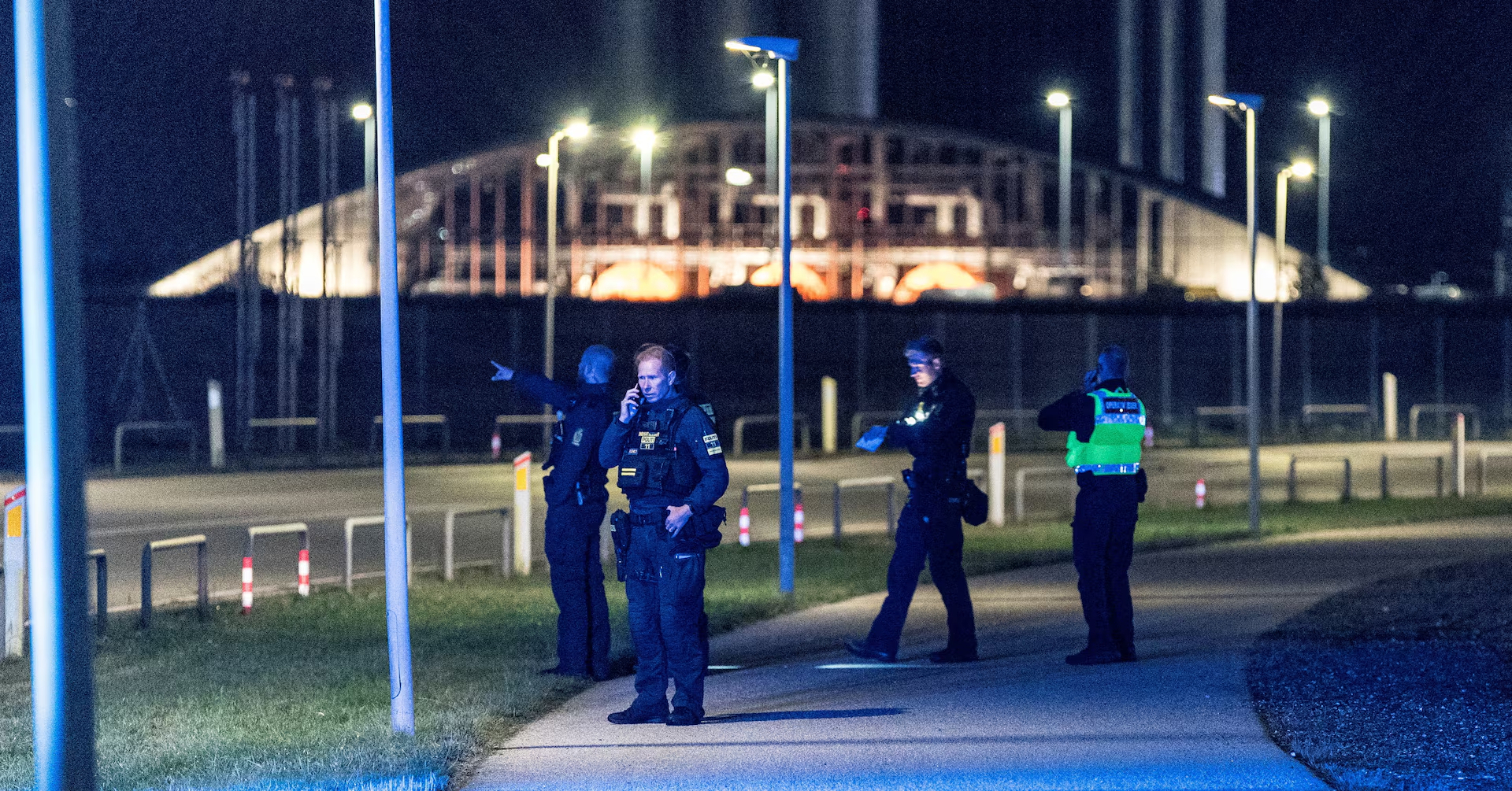
Drone sightings at Copenhagen and Oslo airports caused temporary closures, leading to flight diversions and disruptions, amid heightened European alert for Russian drone activity related to the Ukraine conflict.
Hong Kong is preparing for Super Typhoon Ragasa, the strongest tropical storm of the year, leading to school and business closures, flight cancellations, and warnings of significant sea surges and flooding, with authorities activating emergency measures and evacuations.
Drone sightings caused temporary shutdowns at Copenhagen and Oslo airports, disrupting flights for several hours, with investigations underway to determine the drones' origins and potential links between the incidents in Denmark and Norway.