Tag

Chemical Engineering

All articles tagged with #chemical engineering

Copenhagen team completes Taxol biosynthesis map, boosting tobacco yields 500-fold
science3 hours ago

Copenhagen team completes Taxol biosynthesis map, boosting tobacco yields 500-fold

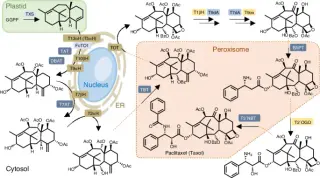
Researchers led by Sotirios Kampranis at the University of Copenhagen have fully reconstructed the 23-step biosynthetic pathway for the cancer drug paclitaxel (Taxol). By transferring yew tree genes into Nicotiana benthamiana, the team achieved a 500-fold increase in production, reaching levels comparable to natural yew bark. This breakthrough resolves decades of scientific debate regarding the drug's complex enzymatic steps and subcellular localization, offering a potential new platform for scalable, low-cost pharmaceutical manufacturing.

science-and-technology25 days ago

New Chemical Method Breaks Down Silicone Waste into Reusable Monomers

Researchers at Technische Universität Berlin and the University of Bonn have developed a new chemical method to recycle silicone waste. The process uses phosgene and its substitutes to break down silicone polymers into dichlorosilane monomers, which can be reused in industrial manufacturing. This approach addresses the difficulty of recycling chemically inert silicones, which are currently mostly landfilled or incinerated. The method works on various linear and cyclic siloxanes, including commercial silicone oils and elastomers, under mild conditions. Computational studies suggest phosgene acts as a precursor to a chlorocarbonyl cation, which cleaves the Si–O–Si linkages in the polymer chain. This offers a potential pathway for sustainable circular recycling of silicone materials.

New Study Clarifies UV Degradation Pathways for PFAS, Correcting Misunderstood Chemical Mechanisms
science2 months ago

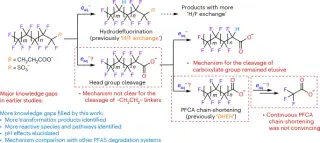
New Study Clarifies UV Degradation Pathways for PFAS, Correcting Misunderstood Chemical Mechanisms

A new study in Nature Water details how ultraviolet (UV) irradiation breaks down per- and polyfluoroalkyl substances (PFAS). Researchers found that hydrated electrons trigger a complex reaction involving hydroxyl radicals and hydroxide ions, leading to carbon-carbon bond cleavage. The study corrects previous misconceptions about chain-shortening and identifies formate as the primary product, offering new insights for treating PFAS pollution and designing degradable fluorochemicals.

Supercapacitor Breakthrough Promises 60-Second Device Charging
science-and-technology2 years ago

Supercapacitor Breakthrough Promises 60-Second Device Charging

Researchers at the University of Colorado Boulder, led by Ankur Gupta, have developed a model to predict ion movement in complex nanopore networks, potentially revolutionizing energy storage technology. This breakthrough could lead to faster-charging supercapacitors with extended lifespans, benefiting applications from vehicles to power grids and wearable devices. The model challenges traditional principles and significantly accelerates computational efficiency, enabling the simulation of thousands of interconnected pores within minutes.

"Innovative Engineering Solution Converts Carbon Dioxide into Valuable Products"
science-and-technology2 years ago

"Innovative Engineering Solution Converts Carbon Dioxide into Valuable Products"

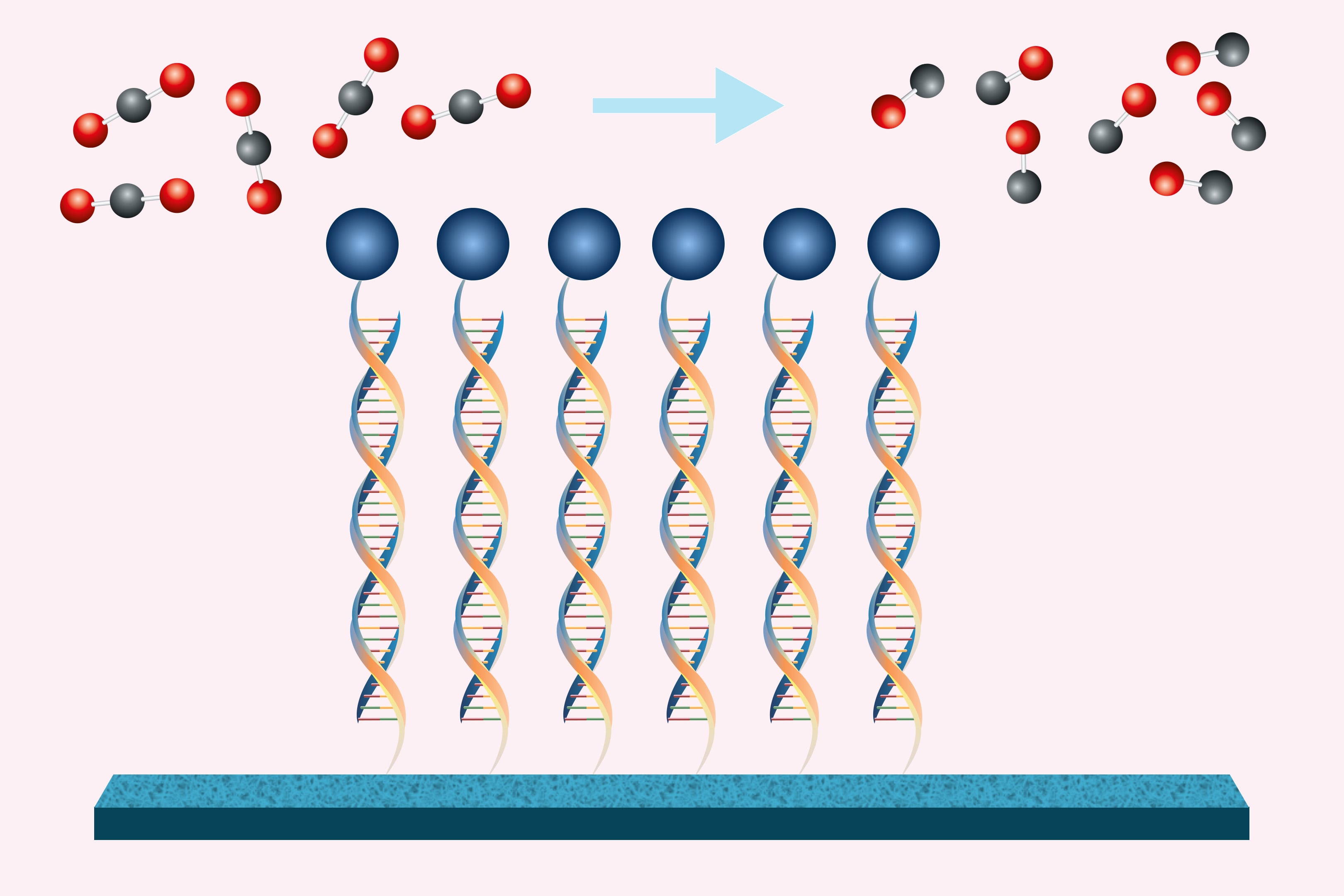
MIT chemical engineers have developed an efficient method to convert carbon dioxide into carbon monoxide using electricity and a DNA-tethered catalyst, which can then be used to produce useful compounds like ethanol and other fuels. This process, if scaled up for industrial use, could help reduce greenhouse gas emissions from power plants and other sources. The technology, developed by MIT's Ariel Furst and her team, has the potential for commercial use through a company called Helix Carbon, and could contribute to the decarbonization of various industries.

Revolutionary Fire-Safe Fuel Invented by California Scientists
science-and-technology3 years ago

Revolutionary Fire-Safe Fuel Invented by California Scientists

Chemical engineers in California have developed a fire-safe liquid fuel that only ignites with the application of electric current. The fuel, based on an ionic liquid, does not react to flames and eliminates the risk of accidental fires during storage or transport. By controlling the vapor, the researchers were able to control whether the fuel burns. The fuel could be used in various types of vehicles and has potential applications in engine metering and safety systems. Further research is needed to determine its efficiency and compatibility with conventional fuels.

"Breakthrough: Scientists and Chemical Engineers Unveil Fire-Safe Fuel"
science-and-technology3 years ago

"Breakthrough: Scientists and Chemical Engineers Unveil Fire-Safe Fuel"

Chemical engineers at UC Riverside have developed a fire-safe fuel that only ignites with the application of electric current. The fuel, based on an ionic liquid, does not react to flames and eliminates the risk of accidental fires during storage or transport. By controlling the vapor, the researchers were able to control whether the fuel burns. The fuel could potentially be used in any type of vehicle, but further testing and research are needed before commercialization. While the cost may be higher than conventional fuels, the safety benefits make it an attractive option.

Protein-based mining and sorting of rare earths for green technology.
science3 years ago

Protein-based mining and sorting of rare earths for green technology.

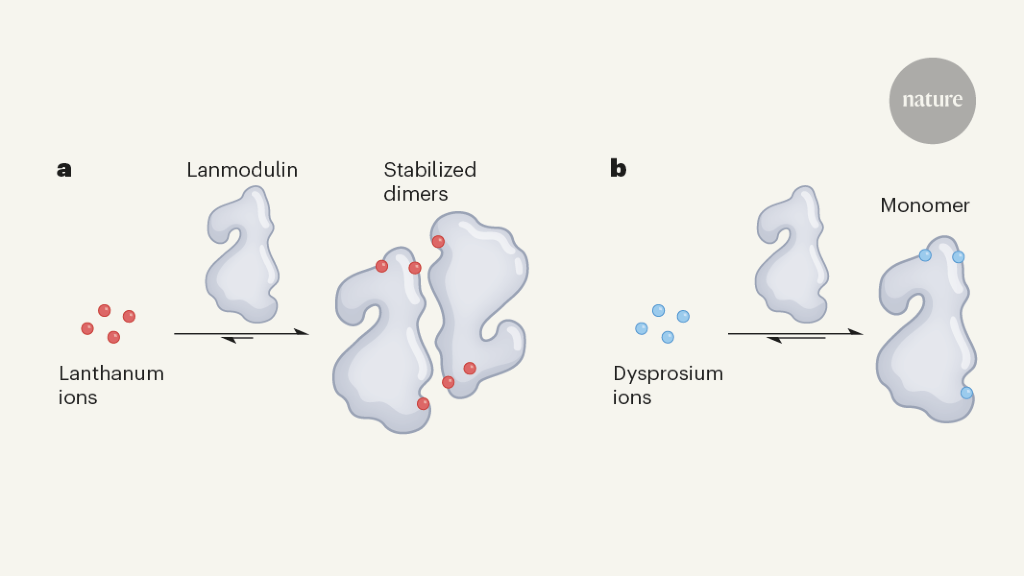
Researchers have discovered a protein that binds to lighter rare-earth elements more strongly than to heavier ones, despite their chemical similarities. This discovery could lead to the development of bioseparation strategies for isolating individual rare-earth elements, which are essential for emerging technologies. Some specialized microorganisms require rare-earth elements for growth and have evolved biological machinery to process them.

Long-lasting quantum emitters using hexagonal boron nitride.
quantum-technology3 years ago

Long-lasting quantum emitters using hexagonal boron nitride.

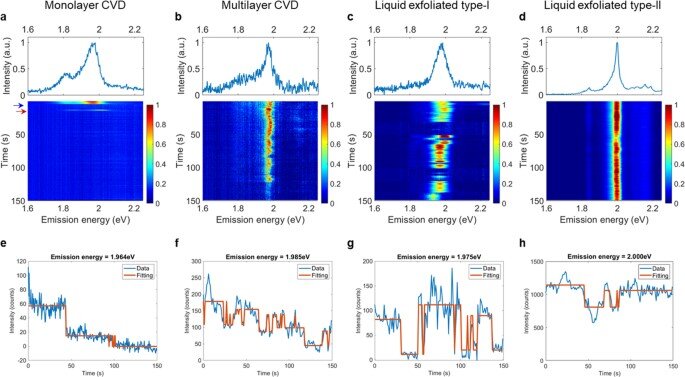
Scientists at MIT, University of Texas, RIKEN center for Advanced Photonics, and the University of Oxford have discovered a way to improve the photostability of emitters in hexagonal boron nitride materials, which are crucial building materials for optical quantum technologies. The team found that photobleaching of hexagonal boron nitride vacancy emitters can facilitate photostability suited for quantum applications. They also identified a key to improve the photostability of emitters in hexagonal boron nitride materials that effectively shielded oxygen from the environment to optimize carbon substitution in the hexagonal boron nitride.