
Intel Delays 3D Cache Rivalry in Laptops Until 2027
Intel will not bring its new 'bLLC' cache technology to laptops until the 'Razor Lake' generation in 2027, leaving AMD's 3D V-Cache as the sole option for mobile gamers in 2026.

All articles tagged with #cpus
Intel will not bring its new 'bLLC' cache technology to laptops until the 'Razor Lake' generation in 2027, leaving AMD's 3D V-Cache as the sole option for mobile gamers in 2026.
Intel plans to restart supply of 10th, 12th, 13th, and 14th‑gen CPUs in mainland China to meet demand, leveraging DDR4 platforms as DDR5 prices stay high, with Raptor Lake NEXT and Nova Lake expected to coexist in the market.
Intel posted blowout Q1 results and guided well above expectations as its data-center revenue jumped about 22% to over $5 billion; CEO Lip-Bu Tan emphasized that CPUs are reasserting themselves as the orchestration layer of AI, highlighting a CPU-centric foundation aided by Intel's end-to-end manufacturing control and the completion of the remaining stake in its Irish fab, signaling a multi-year turnaround paying off for investors.
Rumors suggest Intel’s Nova Lake desktop CPUs (Core Ultra 400S) with a mix of performance (P) and efficiency (E) cores, a rumored Big Last Level Cache (bLLC), and configurations ranging from 8 to 52 cores could finally threaten AMD’s high-end X3D gaming chips like the Ryzen 9900X3D/9950X3D. The lineup reportedly includes variants with different P/E core counts and cache sizes, potentially enabling competitive gaming performance at lower prices, building on Intel’s recent midrange Core Ultra 7 270K preview and suggesting a shift back toward aggressive gaming competition between Team Blue and Team Red.
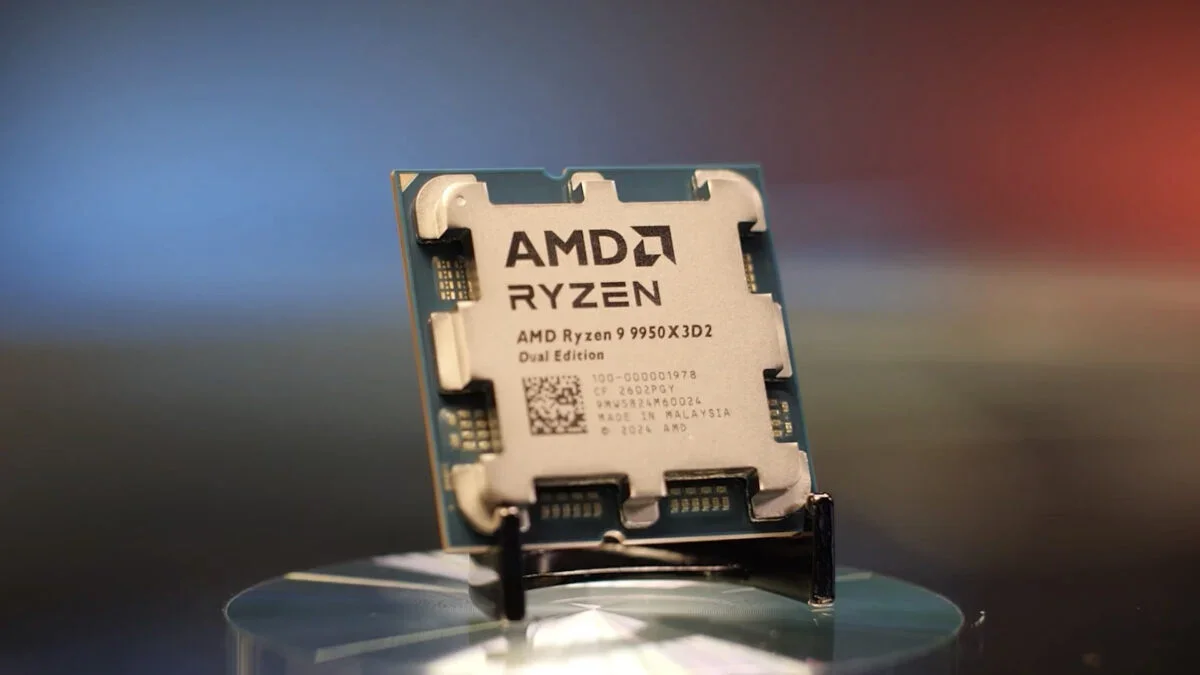
AMD expands its 3D cache strategy with the Ryzen 9 9950X3D2 Dual Edition, a 16-core/32-thread CPU that doubles on-die cache across two CCDs to boost both gaming and creator workloads, delivering a claimed 7–13% uplift in tasks like 3D rendering and Unreal Engine compile times, at a 200W TDP, slightly lower boost clock (5.6GHz) and a $700 price, launching April 22; real-world gains on non-creative apps remain unclear, and the move underscores AMD’s ongoing competition with Intel in the high-end desktop segment.

Intel’s Core Ultra 200S Plus (Arrow Lake Refresh) adds more cores, higher clock speeds, faster memory support, and improved inter‑chip communication to boost gaming performance by about 15%. The lineup includes 24‑core 270K Plus/270KF Plus (8 P‑cores, 16 E‑cores) at $299 and 6 P‑cores/12 E‑cores 250K/250KF Plus at $199, with prices roughly aligned to predecessors. They use the LGA 1851 socket and 800‑series chipsets and arrive March 26. Intel also touts the Binary Optimization Tool to enhance performance for games not optimized for newer CPUs.

WIRED reports Nvidia’s expanded deal with Meta—billions in GPUs plus Grace CPUs and the broader push into standalone CPUs and low-latency AI tech—to build hyperscale data centers for training and inference, signaling a shift from pure GPU purchases to an end-to-end AI compute stack. Analysts say CPUs are growing in importance for agentic AI, though GPUs remain central for heavy workloads, with Meta planning roughly $115–$135 billion in AI infra this year.

Intel is launching its next-generation Panther Lake Core Ultra Series 3 CPUs at CES 2026, marking a significant milestone with the debut of its new 18A process technology, alongside refreshed Arrow Lake CPUs, AI innovations, and new GPU previews. The event will be streamed live on January 5, 2026, and will showcase upcoming Intel-powered devices and technologies.
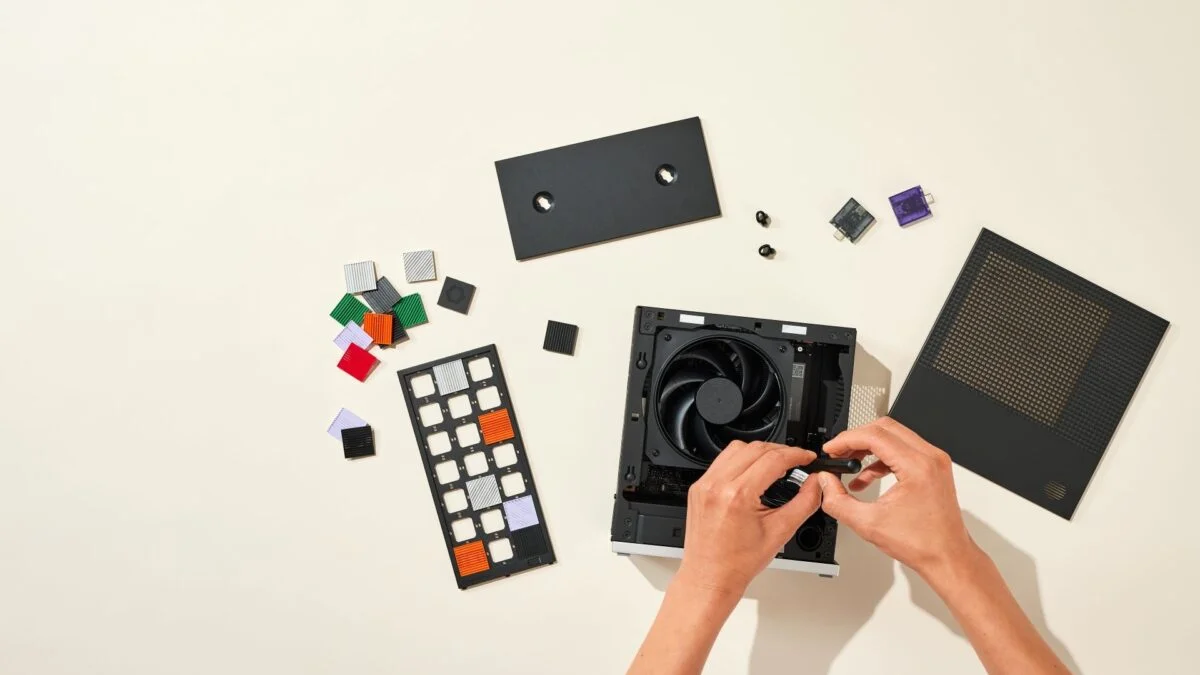
AMD is developing new 'Max' CPUs, such as the Ryzen AI Max+ series, which could challenge low-end GPUs by offering integrated graphics capable of high-performance gaming, potentially replacing or supplementing traditional GPUs in budget-friendly gaming devices and handheld PCs.
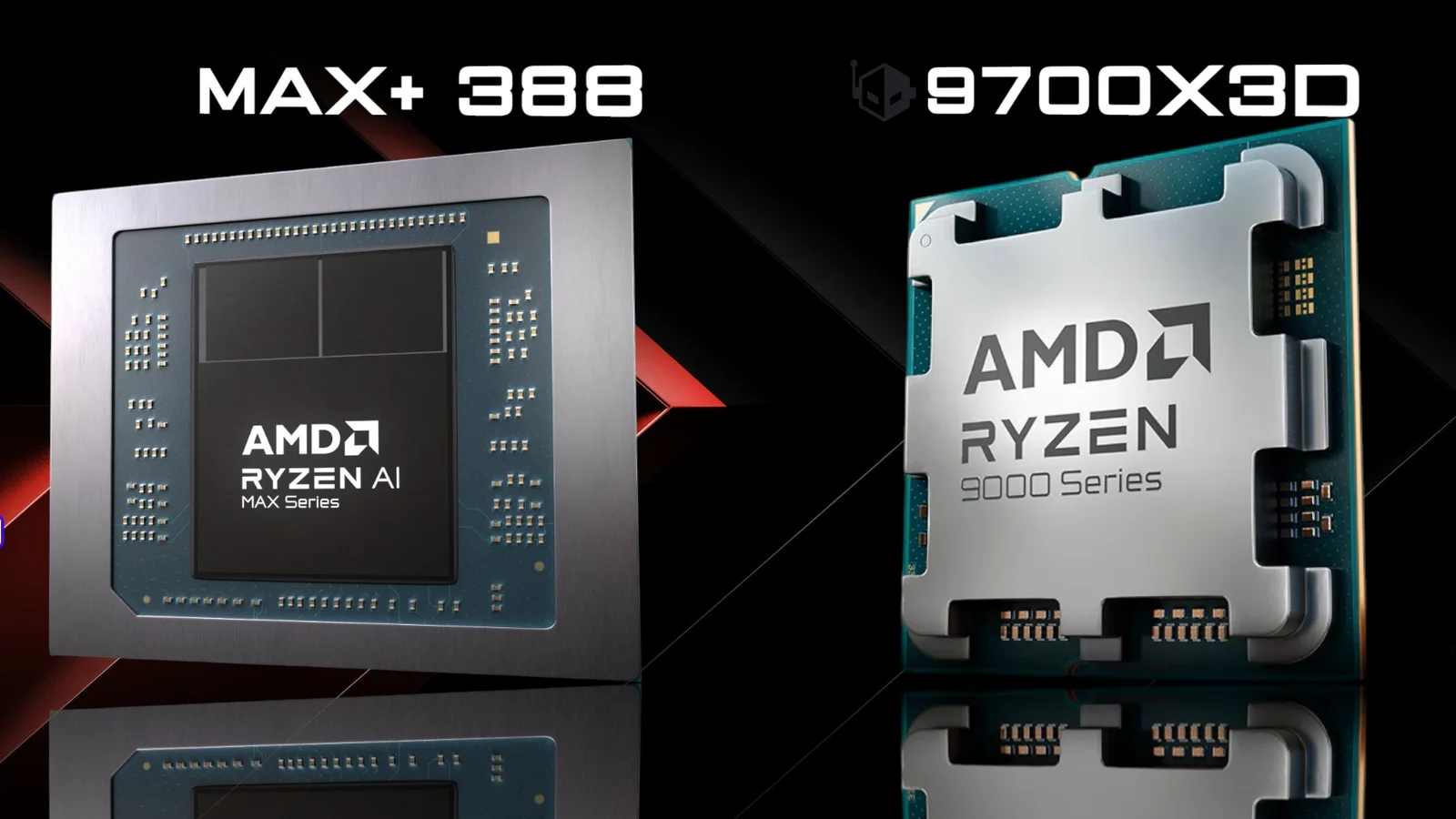
Two unreleased AMD CPUs, the Ryzen AI MAX+ 388 and Ryzen 7 9700X3D, have been spotted in PassMark, featuring 8 cores and integrated Radeon 8060S graphics, with the former likely targeting value gaming and the latter possibly a new Zen 6-based refresh, though details remain unofficial.
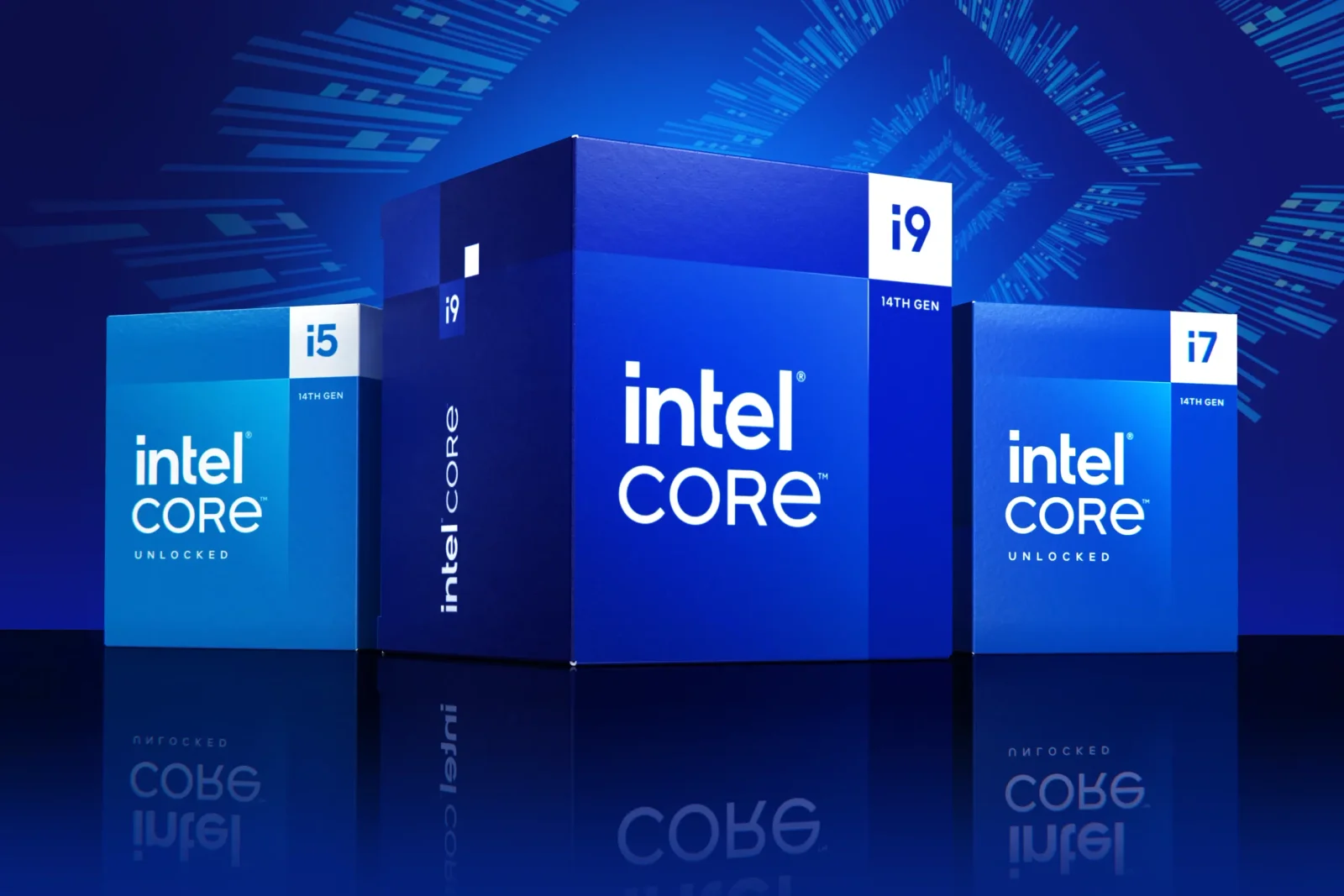
Intel's 12th, 13th, and 14th-generation processors are experiencing significant price increases in South Korea, especially in the budget segment, with some SKUs like the Core i3 14100F rising by 15% and the Core i9 12900K by nearly 30%, mirroring recent trends in Japan, while prices in North America remain stable.
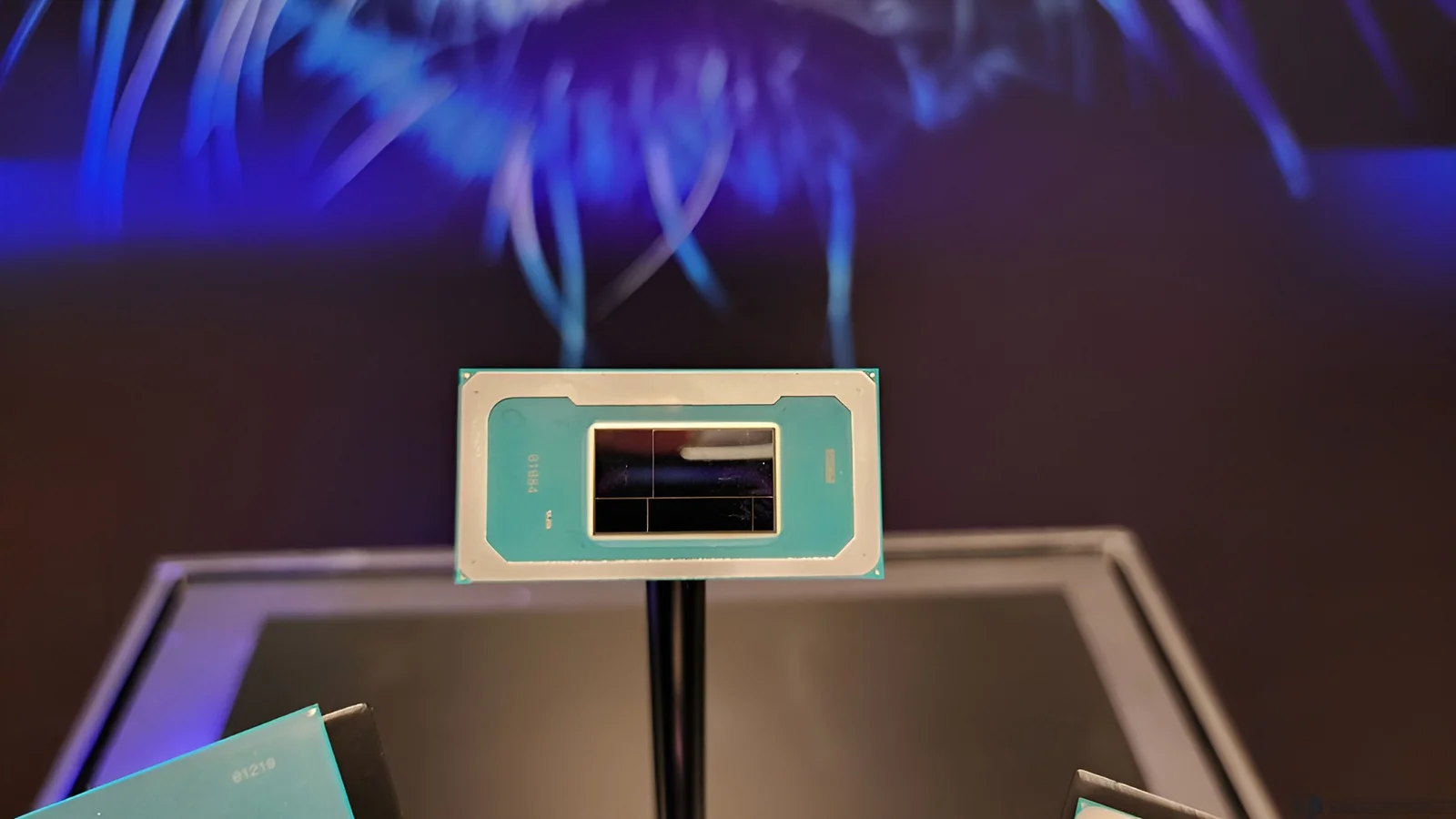
Intel's upcoming Panther Lake mobile CPUs, expected in Q4 2025, will feature the 18A process technology, new architecture with Xe3 graphics, and AI enhancements, marking a significant step for Intel's manufacturing and product strategy amid technical and political implications.
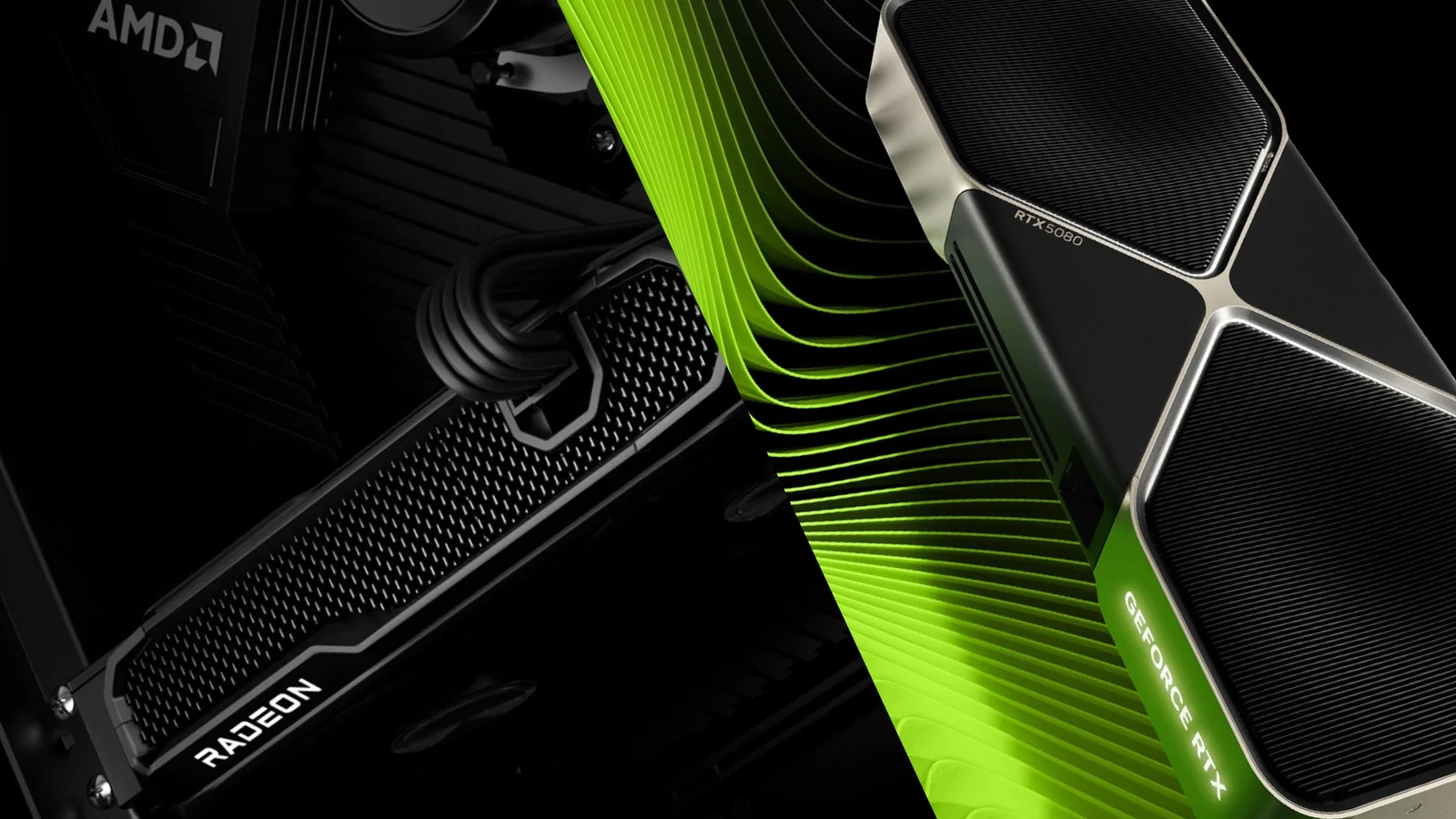
The Trump administration is considering implementing tariffs on consumer CPUs and GPUs based on the value of their foreign chip content, which could significantly increase prices if enacted, aiming to promote domestic chip manufacturing but potentially raising costs for products like AMD Ryzen and NVIDIA GPUs.

NVIDIA and Intel announced a collaboration to develop custom data center and personal computing products, integrating NVIDIA's AI and accelerated computing with Intel's CPU technologies, with NVIDIA investing $5 billion in Intel's stock to support this partnership.
AMD has announced the launch date and prices for its Ryzen Threadripper 9000 series HEDT CPUs, available from July 31st, with the flagship 64-core model priced at $4999, offering high performance for enthusiasts and professionals.