Two men have been charged in federal court for creating and distributing AI-generated porn featuring female celebrities, highlighting ongoing enforcement against deepfake abuse and non-consensual imagery.
Italy’s prime minister Giorgia Meloni reposted an AI-generated steamy image of herself from an opponent, dismissed it as fake but fabulous, and used the moment to warn that deepfakes can mislead voters and fuel misinformation in politics.
A new wave of scams is powered by real-time deepfake software developed in China that can swap faces during live video calls, enabling scammers to impersonate individuals in real time on platforms like Microsoft Teams and potentially defraud victims worldwide.
Italian Prime Minister Giorgia Meloni warned that AI-generated fake images circulating online are being passed off as real, even sharing one herself to expose manipulation. She said deepfakes can deceive and harm individuals and urged people to verify content before sharing. The episode highlights broader concerns about AI misuse, and follows Italy's move to regulate AI and a libel case she has pursued related to deepfake imagery.
Italian Prime Minister Giorgia Meloni posted an AI-generated nude photo of herself to warn about deepfakes and AI misuse, highlighting the need for verification before sharing online and noting Italy’s and the EU’s ongoing AI regulation efforts.
Italy's Prime Minister Giorgia Meloni condemned a manipulated deepfake photo as a political attack, signaling concern about misinformation being used to target leaders and influence public perception.
Taylor Swift filed three trademark applications to protect her image and voice, including a famous concert photo and the phrases “Hey, it’s Taylor Swift” and “Hey, it’s Taylor.” The move comes as AI-generated deepfake ads on TikTok misuse celebrity likenesses to prompt viewers to share personal data. Copyleaks researchers identified clusters of these ads featuring Swift and other stars with realistic voices and textured visuals, often directing users to third-party services to enter sensitive information. The piece notes ongoing legal actions and FTC warnings about rising online scams, underscoring why Swift is seeking to curb reputational damage from deepfakes.
Tech Transparency Project finds 18 nudify apps in Apple's App Store and 20 in Google Play—capable of nude transformations or pornographic deepfakes—with about 483 million downloads and $122 million in revenue; Apple says it removed several apps, Google suspended others, and both platforms say they enforce policies banning sexual content as enforcement continues.
YouTube is rolling out an AI avatar feature for Shorts that lets creators record a live selfie to generate a digital version of themselves, which can be used in new clips or added to eligible Shorts; avatars must be used in the creator's own original videos, with remix controls and automatic deletion after three years if unused; all avatar content will be clearly labeled as AI-generated with watermarking like SynthID and C2PA; access is gradual, requiring 18+, an existing channel, and is part of Google's Gemini AI toolkit; it comes amid concerns about deepfakes and other AI-generated content.
An Ohio man, James Strahler II, pleaded guilty to cyberstalking and producing obscene AI-generated and real sexually explicit images, and publishing digital forgeries, becoming the first person convicted under the Take It Down Act, which bans non-consensual publication of intimate images and AI forgeries and requires removal within 48 hours; prosecutors say he harassed several women with nude AI imagery, distributed AI-generated material including child sexual content, and created more than 700 images.
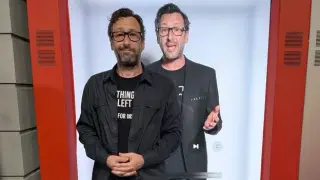
Deep Voodoo, the AI-focused outfit behind South Park creators Trey Parker and Matt Stone, uses licensed footage and custom AI models to produce deepfakes for film and TV, stressing consent and rights. With projects like Sassy Justice and high-profile de-aging work, they describe a rigorous on-set capture process and bespoke models, arguing AI can expand creativity—via de-aging, performance transfer, and faster, more location-light production—and could even reshape how South Park is made, all while upholding ethical guardrails.
German actress Collien Fernandes says her husband secretly opened accounts in her name to post pornographic deepfakes and initiate online affairs for more than a decade; after allegedly confessing in 2024, Germany has debated tightening laws on sexualized deepfakes, with protests and political urgency, while Fernandes has filed a new criminal complaint in Spain as she continues advocacy and public scrutiny of online abuse against women.
The piece argues that public judgment of celebrity misbehavior is increasingly driven by video evidence, not words, citing Taylor Frankie Paul’s shelving from The Bachelorette after a 2023 incident and Justin Timberlake’s arrest footage, with historical examples like Cassie vs. Diddy and Ray Rice illustrating how video can override explanations; it also warns that AI deepfakes and selective footage threaten authenticity as society shifts toward believing what is seen.
A group of Tennessee teenagers filed a civil lawsuit against Elon Musk's xAI, alleging the company enabled the creation and distribution of sexually explicit AI-generated images of them, violating their privacy and causing emotional distress; they seek damages and underscore growing concerns about AI misuse and deepfakes.
The NRSC released an AI-generated deepfake of Democratic Senate candidate James Talarico in an ad about the Texas race, illustrating how lifelike synthetic media is becoming a campaign tool as AI fakes proliferate in the 2026 midterms. Experts caution about misperception despite disclosures shown on screen, while lawmakers debate regulation. The piece also notes prior and ongoing AI use by campaigns on both sides and Texas’s limited deepfake laws near elections.