Tag

Defense Innovation

All articles tagged with #defense innovation

Ukraine’s Ground Robots Rescued 45 Soldiers and Pioneered Air-Dropped Assaults in 2026
war-in-ukraine1 month ago

Ukraine’s Ground Robots Rescued 45 Soldiers and Pioneered Air-Dropped Assaults in 2026

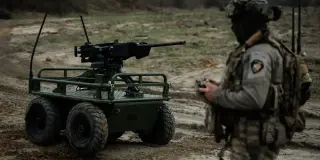
Ukraine’s Artan unit reported that ground robots rescued 45 soldiers and delivered 41 tons of supplies during the summer 2026 campaign. Simultaneously, Ukrainian forces pioneered 'air-dropped' robotic assaults in Operation Vivaldi, using drones to deploy robots deep behind Russian lines. Former Defense Minister Mykhailo Fedorov is now leading a private venture to scale autonomous warfare, arguing that survival requires rapid adoption of AI-driven systems despite ethical concerns.


Ousted Ukrainian Defense Chief Fedorov Accepts Advisory Role with Italy
politics2 months ago

Ousted Ukrainian Defense Chief Fedorov Accepts Advisory Role with Italy

Former Ukrainian Defense Minister Mykhailo Fedorov has accepted an advisory position with Italian Defense Minister Guido Crosetto. The role focuses on defense innovation and technology transfer, allowing Fedorov to leverage Ukraine’s wartime experience while he continues his primary work in Kyiv. This move follows his dismissal in July and his subsequent push for early elections, which President Zelenskyy has rejected.

SpaceWERX awards $562.5M to 11 firms to scale military space tech
military3 months ago

SpaceWERX awards $562.5M to 11 firms to scale military space tech

SpaceWERX selected 11 companies for new Strategic Funding Increase agreements totaling $562.5 million to advance space technologies from prototypes to operational use. The funding includes $245 million in government support, with the remainder from private investors and military customers. The awards aim to align startups, operational customers, and private capital before large-scale government purchases.

Ukraine’s Ground Robots: A Grassroots Revolution in the Trenches
military-technology3 months ago

Ukraine’s Ground Robots: A Grassroots Revolution in the Trenches

Ukraine is rapidly integrating ground robots into its frontline operations to mitigate manpower shortages and reduce casualties. Manufactured by firms like Robotic Complexes and over 200 startups, these electric vehicles handle logistics, evacuation, and combat tasks. While aerial drones dominate headlines, ground robots offer longer battery life, heavier payloads, and better thermal stealth. This shift reflects a broader bottom-up innovation culture, though standardization and vulnerability to drones remain challenges.

Pentagon’s Silicon Valley pivot faces production test amid Iran war
national-security3 months ago

Pentagon’s Silicon Valley pivot faces production test amid Iran war

The U.S. Defense Department is urgently seeking to replenish depleted weapons stockpiles by partnering with technology startups, a strategy tested by the ongoing conflict with Iran. While the Pentagon has launched the Ground-Based Affordable Mass (G-BAM) challenge to source low-cost, long-range strike weapons, experts question whether these firms can scale production to military requirements.

Ukraine shifts from recipient to innovator, guiding Western war tech
world4 months ago

Ukraine shifts from recipient to innovator, guiding Western war tech

From taking on aging weapons to building a robust defense industry, Ukraine has accelerated drone and ground-robot production and is moving toward advanced software and AI; by 2026 Kyiv is sharing its battlefield innovations with NATO partners to help them learn faster and adapt doctrines, while still utilizing older systems to sustain the fight.

From Shahed to Saturation: How LUCAS Drones Rewrote U.S. Warfighting Depth
defense7 months ago

From Shahed to Saturation: How LUCAS Drones Rewrote U.S. Warfighting Depth

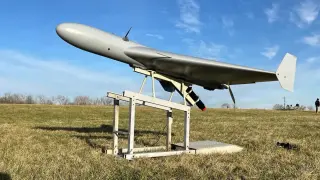
An interview with former Pentagon official Michael C. Horowitz explains how the U.S. developed LUCAS, a low-cost unmanned combat drone reverse-engineered from Iran’s Shahed‑136 and first fielded in Operation Epic Fury. The program, pushed through under both the Trump and Biden administrations with support from the Defense Innovation Unit, APFIT, and SpektreWorks, aims to flood the force with inexpensive, mass-produced precision munitions to supplement—not replace—high-end weapons like Tomahawks. Horowitz argues this “mass depth” approach could complicate defenses against peers like China, advocates tens of thousands (even hundreds of thousands) of units, and signals a broader shift toward scalable, risk-tolerant defense procurement, though production bottlenecks and operational use questions remain.

Pentagon Expands Replicator Drone Fleet with New Acquisitions
defense2 years ago

Pentagon Expands Replicator Drone Fleet with New Acquisitions

Deputy Secretary of Defense Kathleen Hicks announced the second tranche of the Replicator initiative, focusing on scalable production of autonomous systems across air and maritime domains, along with integrated software enablers. The initiative aims to field thousands of autonomous systems by August 2025, involving over 500 commercial firms, with 75% being non-traditional defense contractors. Key projects include the Army's Company-Level Small UAS and the Marine Corps' loitering munitions, enhancing battlefield technology and experimentation. The initiative also includes classified systems and leverages commercial solutions for rapid development.

Ukraine Innovates with Low-Cost Drones and Robots to Combat Russia
technologydefense2 years ago

Ukraine Innovates with Low-Cost Drones and Robots to Combat Russia

Facing manpower shortages and uneven international assistance, Ukraine is leveraging domestic innovation to create a low-cost robot army to combat Russian forces. Defense startups, like Andrii Denysenko's UkrPrototyp, are producing affordable unmanned ground vehicles and drones, such as the Odyssey, to support military operations. The Ukrainian government is also encouraging citizens to build aerial drones, aiming to produce a million annually. However, the proliferation of low-cost, AI-enabled drones raises ethical concerns and calls for regulation from international rights groups and experts.

"DragonFire: Revolutionizing Air Defense with $13 Laser Weaponry"
military-technology2 years ago

"DragonFire: Revolutionizing Air Defense with $13 Laser Weaponry"

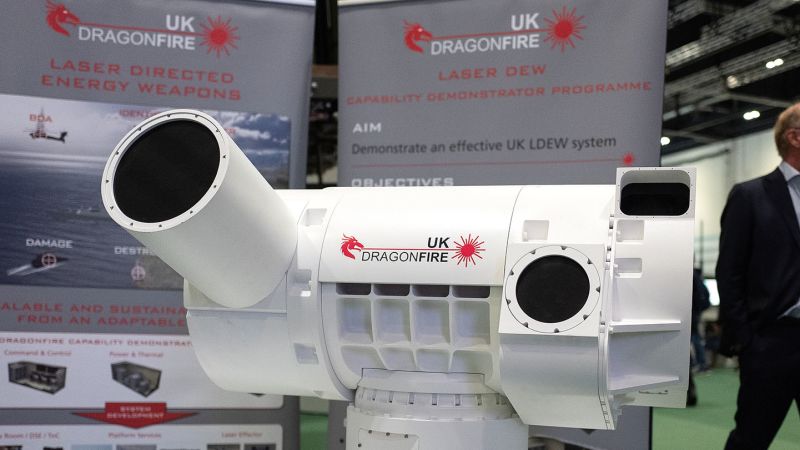
The United Kingdom has unveiled a new laser weapon system called DragonFire, which the military claims can provide lethal missile or aircraft defense at a cost of around $13 per shot, significantly cheaper than traditional missile interceptors. The system has the potential to revolutionize air defense by offering a low-cost alternative to expensive missiles, particularly in countering the threat of low-cost drones. While the technology shows promise, there are still limitations and challenges to be addressed, and the US Navy has also been testing similar laser systems. Despite these hurdles, there is a growing imperative to accelerate the deployment of laser weapons onto the modern battlefield.

Ukraine's Cost-Effective Drone Tactics Outsmart Russian Threats
military-technology2 years ago

Ukraine's Cost-Effective Drone Tactics Outsmart Russian Threats

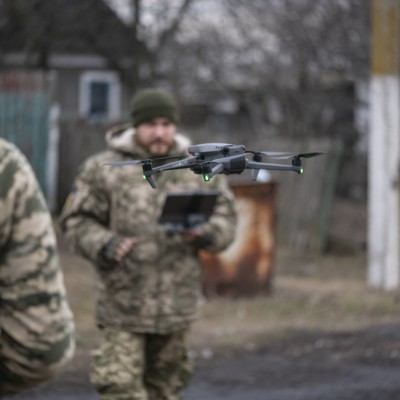
Ukrainian software engineers-turned-defense entrepreneurs are developing low-budget drone detectors to protect soldiers on the frontlines from Russia's deadly drones. These devices, ranging from handheld models to stationary detectors, are being cobbled together using cheap components and artificial intelligence technology. However, the demand for these detectors far exceeds the supply, as start-up companies struggle to keep up with production. Despite challenges in scaling and acquiring components, these entrepreneurs are determined to develop sustainable defense technologies to counter Russia's advancements in drone warfare.