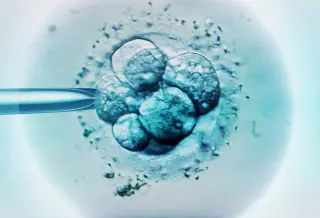
Base editing, a next-generation CRISPR tool, has been used to precisely modify DNA in human embryos by nicking only one DNA strand. The development marks a major technical advance but renews ethical and safety concerns about applying gene editing to human reproduction and the possibility of ‘designer babies’.
Global connectivity makes the emergence of a truly new human species unlikely in the near term, since geographic isolation and sustained evolutionary pressure are hard to sustain; however, two hypothetical paths—long-term isolation in space settlements and deliberate germline genetic tinkering—could, in theory, drive divergence over generations into a separate species, though such an outcome remains speculative rather than imminent.
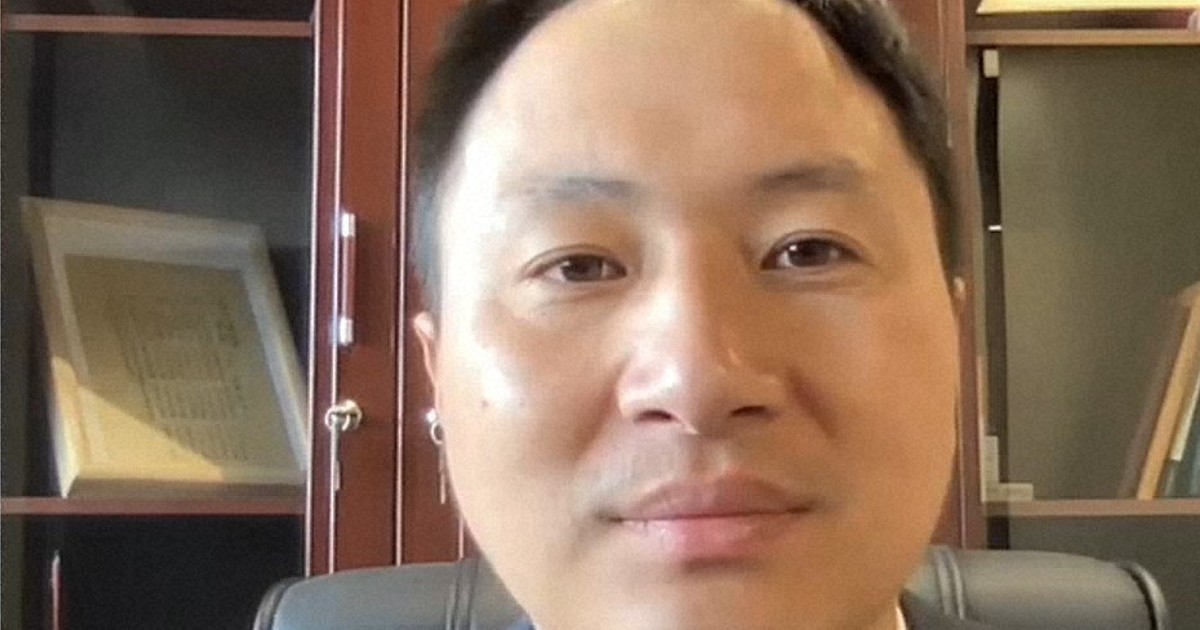
Chinese scientist He Jiankui, who was jailed for creating the world's first genome-edited babies, has resumed research on human embryo genome editing for treating genetic diseases while claiming to adhere to international rules. He aims to use discarded human embryos and comply with both domestic and international regulations, denying any current intent to produce more genome-edited babies. He emphasized the safety and health of the three genome-edited children, while expressing regret for the haste of his previous research. Genome editing is a technique involving precise modifications to genes, and various countries restrict the use of edited human embryos for creating babies.