Scientists studying olivine in the upper mantle found that about 17% of crystals exhibit 'b' dislocations, a deformation mode once thought rare. This suggests this mechanism is more widespread and could refine models of mantle flow and plate tectonics, revealed through EBSD and TEM imaging.
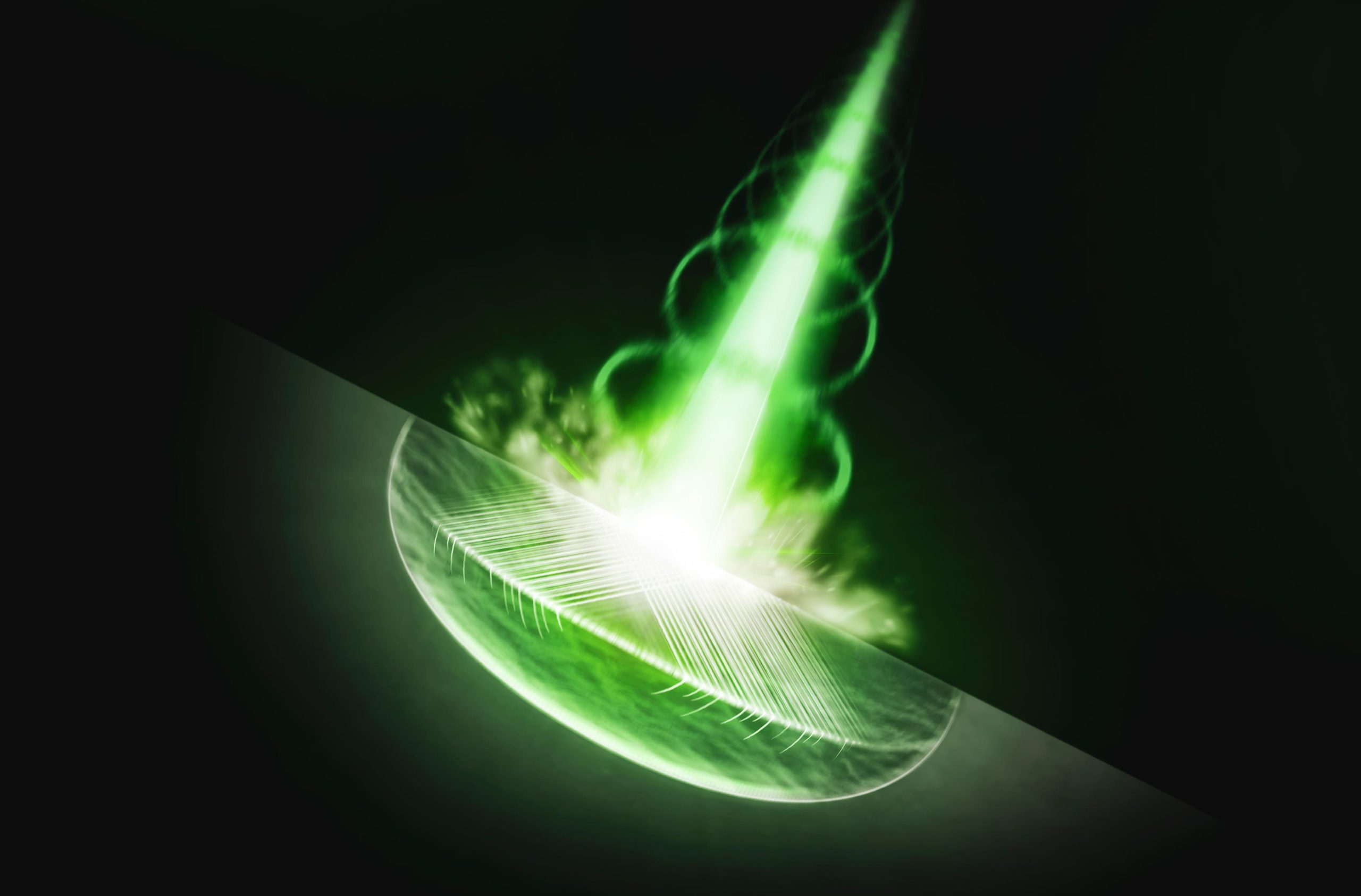
Researchers have settled a 60-year debate by discovering that tiny linear defects, known as dislocations, can propagate through a material faster than sound waves. These dislocations give metals their strength and workability but can also lead to catastrophic failures. By using X-ray radiography, scientists were able to measure the speed of dislocations propagating through diamond, providing insights into the damage they can cause in extreme conditions. The findings challenge previous assumptions about the fastest possible materials failure and have implications for understanding earthquake ruptures, structural failures, and precision manufacturing.
Researchers have discovered that linear defects, known as dislocations, can propagate through materials faster than sound waves. Using X-ray radiography, scientists measured the speed of dislocations spreading through diamond and found that they travel faster than the transverse speed of sound. This finding has implications for understanding material failure and damage in extreme conditions. The study provides new insights into the behavior of dislocations and challenges previous assumptions about the fastest possible materials failure.