Tag

Dynamic Stretching

All articles tagged with #dynamic stretching

Smart Stretches: Pre- and Post-Exercise Routines for Better Performance
health-and-wellness4 days ago

Smart Stretches: Pre- and Post-Exercise Routines for Better Performance

Cedars-Sinai advises a pre-workout routine of dynamic stretches (20–30 seconds each) to warm up and prep the muscles and joints, followed by a post-workout routine of static stretches (about 30 seconds each) to improve flexibility and aid recovery; aim for at least five minutes of warm-up before exercising. The article lists dynamic moves like Standing Knee to Chest, Open/Close the Gate, Hamstring Scoops, Butt Kicks, Standing Hip Flexor/Open-Book and various lunges/walk-outs, plus static stretches such as Supine Knees to Chest, Hamstring Stretch, Torso Twist, Figure Four, Calf Stretch, Thread the Needle, Open-Book with Hip Twist, and Neck Stretch. It also covers safety tips (stretch to mild resistance, avoid sharp pain, don’t stretch injured areas) and notes arthritis considerations, recommending consultation with a clinician if pain persists.


Rethink Stretching: Beyond Gym Class Techniques
health-and-fitness1 year ago

Rethink Stretching: Beyond Gym Class Techniques

Dynamic stretching, which involves moving muscles through a range of motion, is recommended over static stretching for warming up before physical activities. Experts suggest that dynamic stretches better prepare the body by increasing blood flow and reducing stiffness, thus enhancing performance and reducing injury risk. Static stretching, traditionally used in warm-ups, may negatively impact performance and is better suited for relaxation on rest days. Incorporating dynamic stretches into daily routines can improve overall mobility and stability.

"Unlocking the Power of Active Stretching: Benefits and Moves to Try"
fitness2 years ago

"Unlocking the Power of Active Stretching: Benefits and Moves to Try"

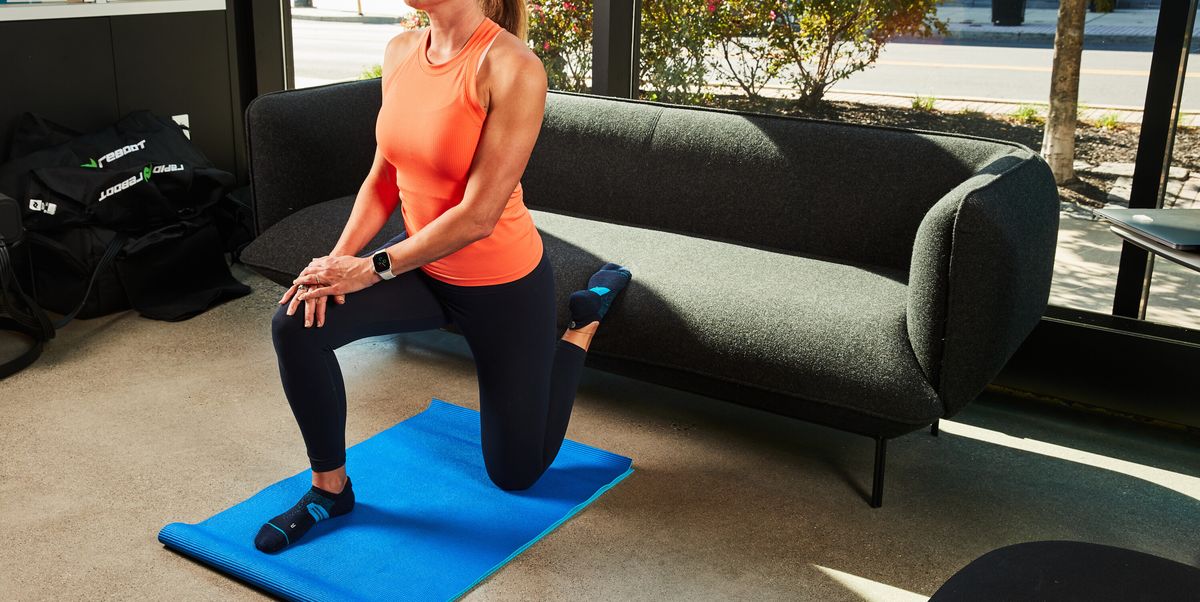
Active stretching, also known as end-range isometrics, is a form of stretching that involves muscle activation at the deepest expression of a stretch. By contracting the muscles while maximally stretched, active stretching helps decrease nervous system tone, increase range of motion, and improve joint stability. Unlike static stretching, which can override the stretch response without improving joint stability, active stretching is recommended before a run or as part of cross-training and mobility work. Incorporating active stretches like hamstring stretches, couch stretches, calf stretches, 90-90 stretches, and kneeling rotational holds into your routine can help improve flexibility and prevent injuries for runners.