Tag

Hibernation

All articles tagged with #hibernation

Ancient Hibernation Switch Lurking in Human DNA Could Power New Metabolic Therapies
science12 days ago

Ancient Hibernation Switch Lurking in Human DNA Could Power New Metabolic Therapies

Scientists have found humans harbor ancient regulatory DNA switches shared with bears and bats that govern metabolic shifts during fasting and recovery; by safely modulating these cis-regulatory elements, they could enhance metabolic flexibility and insulin sensitivity, protect organs during stress, and inform therapies for diabetes and aging without requiring actual hibernation.

Cryogenic Revival of Mouse Brain Tissue Fuels Hibernation Prospects for Space
science1 month ago

Cryogenic Revival of Mouse Brain Tissue Fuels Hibernation Prospects for Space

German researchers revived mouse hippocampal tissue after vitrification at −196°C, showing neurons and synapses could function again after rewarming. While this demonstrates greater tolerance of brain tissue to cryogenic states and fuels discussion of human hibernation for long‑distance space travel, translating the finding to whole bodies or people remains far off and will require larger animal studies, improved cooling/rewarming techniques, and sustained funding; a spin‑off partner is pursuing post‑death neural cryopreservation for research.

The Chill Switch: How Some Animals Control Body Heat to Weather Extremes
animals2 months ago

The Chill Switch: How Some Animals Control Body Heat to Weather Extremes

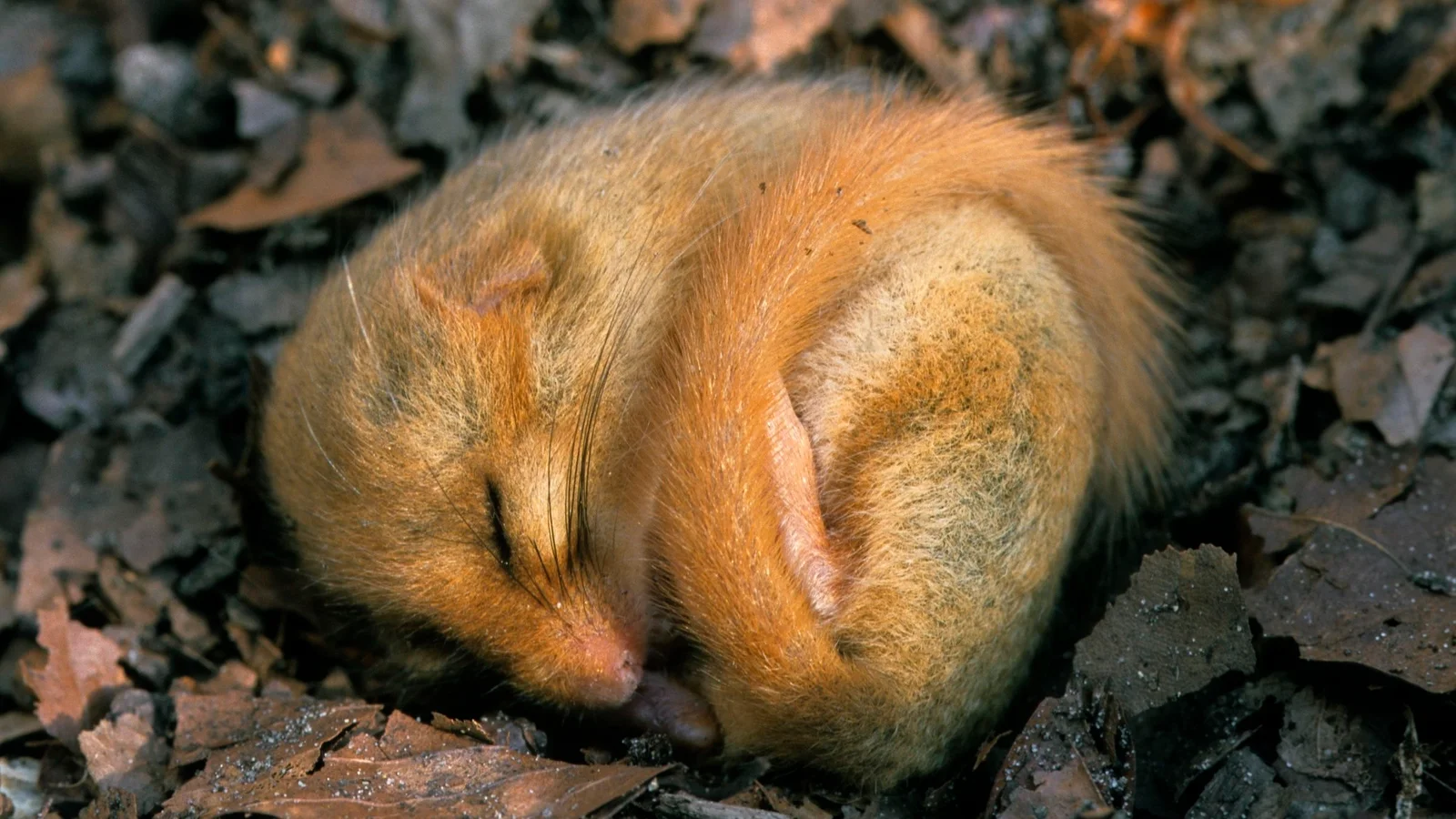
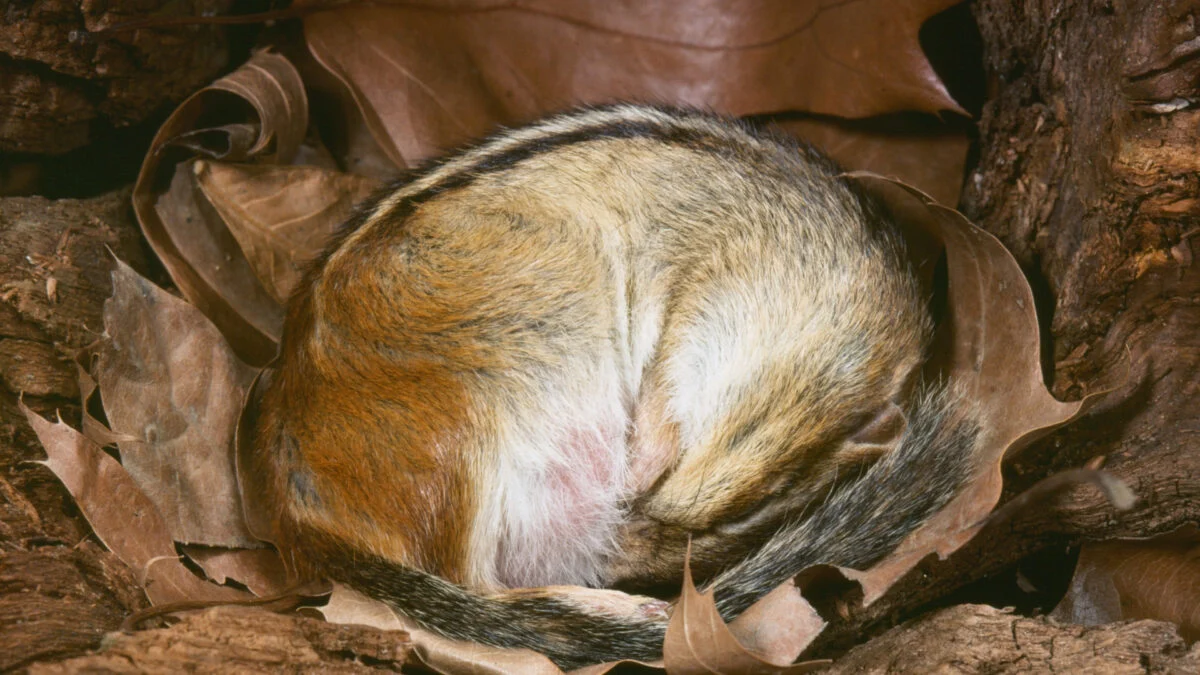
Some mammals and birds can deliberately alter their internal temperature through heterothermy, using short bouts of torpor or longer hibernation to conserve energy and water during harsh weather, predators, or food shortages. Studies highlight bats, sugar gliders, dormice, and other species adjusting torpor in response to wind, rain, predators, and even moon phase, showing a flexible survival strategy beyond normal body temperature control. This helps them endure variability, though it isn’t a foolproof shield against climate change.

Humans on the Verge of Hibernation: A Bear-Inspired Path to Longer Torpor
science4 months ago

Humans on the Verge of Hibernation: A Bear-Inspired Path to Longer Torpor

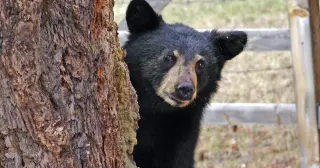
Scientists say humans might achieve a bear-like torpor by mimicking natural hibernation, a concept gaining attention for its potential in long-duration space travel and medical care. While controlled hypothermia already lowers metabolic needs in medical settings, it is pharmacologically intensive and not a long-term solution. Big questions remain about brain safety, physiology, and ethics, and no method has yet produced reversible, long-term human torpor. Research spans identifying neural and hormonal pathways, with space agencies exploring artificial stasis as a future capability for astronauts, but practical implementation is still unresolved.

science-and-technology1 year ago

Could Bat Blood Unlock Human Hibernation for Space Travel?

A new study suggests that the blood of hibernating bats could hold the key to enabling human hibernation for long-duration space travel. Researchers found that bat erythrocytes, or red blood cells, maintain their functionality at low temperatures, a trait that could be crucial for human hibernation. This discovery could potentially make interstellar travel feasible by reducing astronauts' metabolic needs, thereby minimizing resource consumption and psychological strain during long missions. While practical application is still distant, this research marks an important step towards realizing human hibernation for space exploration.

The Secret to Squirrels' Thirst-Free Hibernation
science1 year ago

The Secret to Squirrels' Thirst-Free Hibernation

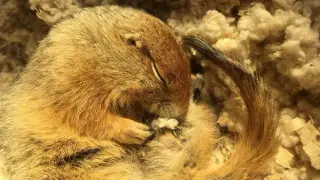
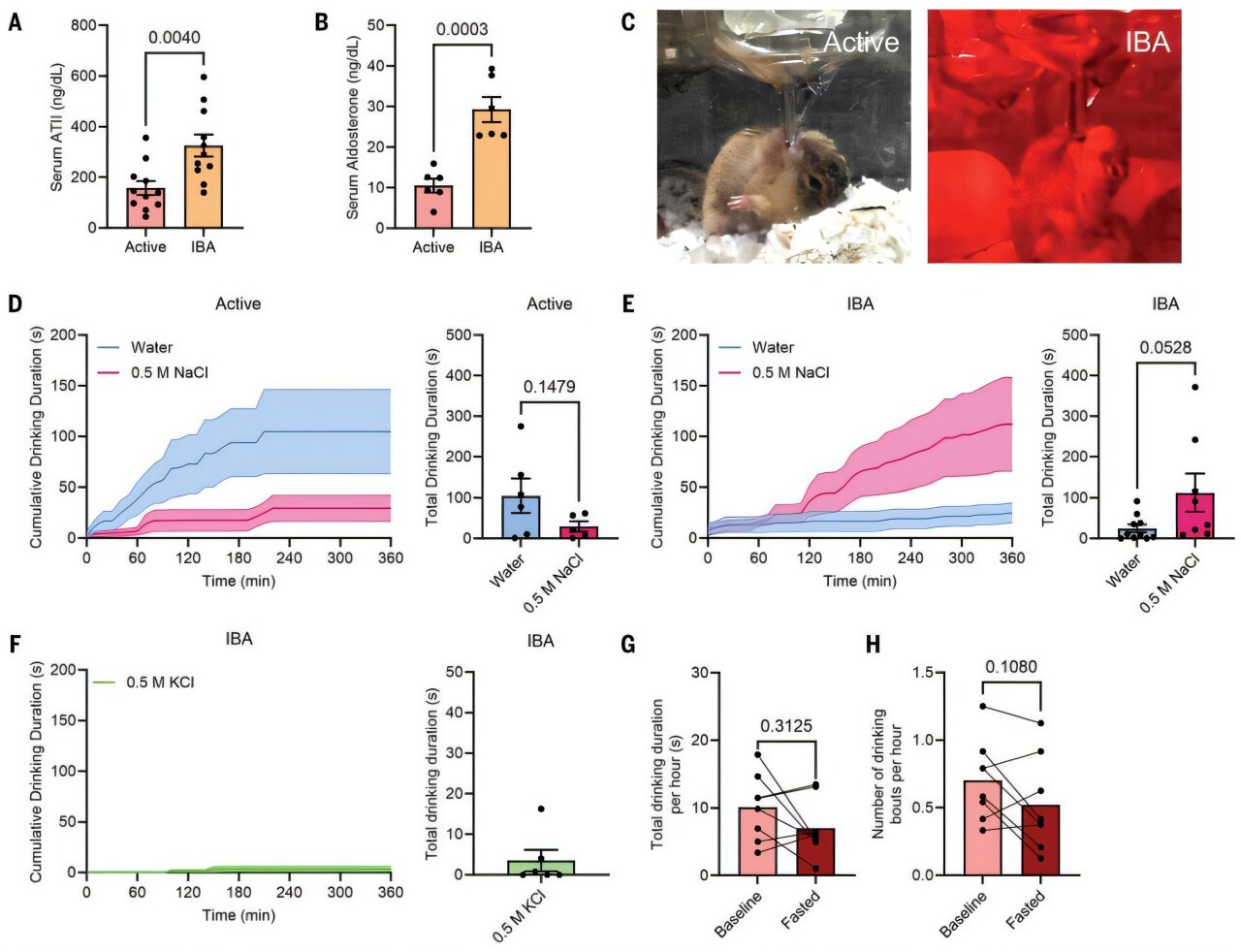
Researchers at Yale University have discovered how thirteen-lined ground squirrels manage to suppress thirst during their long hibernation periods. The squirrels maintain ion levels in their blood and use hormones as antidiuretics to conserve water. Despite being offered water during brief awakenings, the squirrels show no desire to drink, indicating a brain mechanism that prevents thirst signals from being processed. Understanding this mechanism could have implications for human space travel and medical procedures.

The Science Behind Animal Hibernation and Human Limitations
science1 year ago

The Science Behind Animal Hibernation and Human Limitations

The article explores the concept of hibernation, a state of suspended animation used by many animals to survive harsh conditions, and questions whether humans could ever achieve a similar state. While hibernation involves a controlled reduction in metabolism and is common among various mammals, its application to humans remains speculative and largely within the realm of science fiction. Despite historical attempts to induce hibernation in humans, scientific understanding of the process is still limited, and the potential for human hibernation remains an intriguing but elusive possibility.

Uncovering the Molecular Mechanisms of Mammalian Hibernation
biology2 years ago

Uncovering the Molecular Mechanisms of Mammalian Hibernation

A study published in eLife has revealed new insights into the molecular mechanisms underlying hibernation in mammals. The research suggests that myosin, a motor protein involved in muscle contraction, plays a role in non-shivering thermogenesis during hibernation. The study found that changes in the proportion of myosin in different resting states may contribute to reduced energy use during hibernation. The findings also indicate that small hibernating mammals experience increased ATP consumption during torpor, potentially as a response to cold exposure. Additionally, the study highlights the importance of further research into muscle samples from different areas of hibernating animals to validate these findings.

"Uncovering the Groundhog Day Phenomenon: From Climate History to Strange Celebrations"
animals2 years ago

"Uncovering the Groundhog Day Phenomenon: From Climate History to Strange Celebrations"

Groundhogs, including Punxsutawney Phil, are more than just weather predictors on Groundhog Day. They are true hibernators, with a reduced metabolism and lowered body temperature during winter dormancy. Emerging in February, not to see their shadow, but to find a mate, groundhogs have intricate burrow systems for protection. Despite their solitary nature, they can be territorial and aggressive, and their extensive burrows can cause damage to gardens and agricultural crops.

"Chilling Encounter: Frozen Alligators Found in North Carolina"
odd-news2 years ago

"Chilling Encounter: Frozen Alligators Found in North Carolina"

The Swamp Park in eastern North Carolina recently posted pictures and a video of frozen alligators, as the rescued gators went into a state of brumation, a form of hibernation for alligators, to survive and protect themselves in the extreme cold by tilting their noses above water to breathe and suspending themselves in the water with closed eyes. This isn't the first time this has happened, with similar occurrences reported in 2019 and 2018.

"Unlocking the Secrets of Arctic Ground Squirrels for Enhanced Brain Health"
science2 years ago

"Unlocking the Secrets of Arctic Ground Squirrels for Enhanced Brain Health"

Researchers at the University of Alaska Fairbanks are studying arctic ground squirrels to understand how they survive extreme hibernation conditions, including lowering their body temperatures to freezing levels for up to eight months. The findings could provide valuable insights into treating injuries and diseases in humans.

Hibernating Grizzly Bears Maintain Circadian Rhythms, Study Finds
science2 years ago

Hibernating Grizzly Bears Maintain Circadian Rhythms, Study Finds

A genetic study led by researchers at Washington State University (WSU) has found that grizzly bears maintain their circadian rhythm even during hibernation, highlighting the importance of circadian rhythms in the metabolism of organisms. The study revealed that bears' energy production still follows a daily pattern during hibernation, although the amplitude of the energy production is reduced. The peak of energy production occurs later in the day during hibernation. Researchers believe that altering the circadian rhythm during hibernation helps bears conserve energy and survive without food for months.