Tag

Eta Aquarids

All articles tagged with #eta aquarids

Eta Aquarids Peak Tonight as Moonlit Skies Challenge Meteor Watchers
science20 days ago

Eta Aquarids Peak Tonight as Moonlit Skies Challenge Meteor Watchers

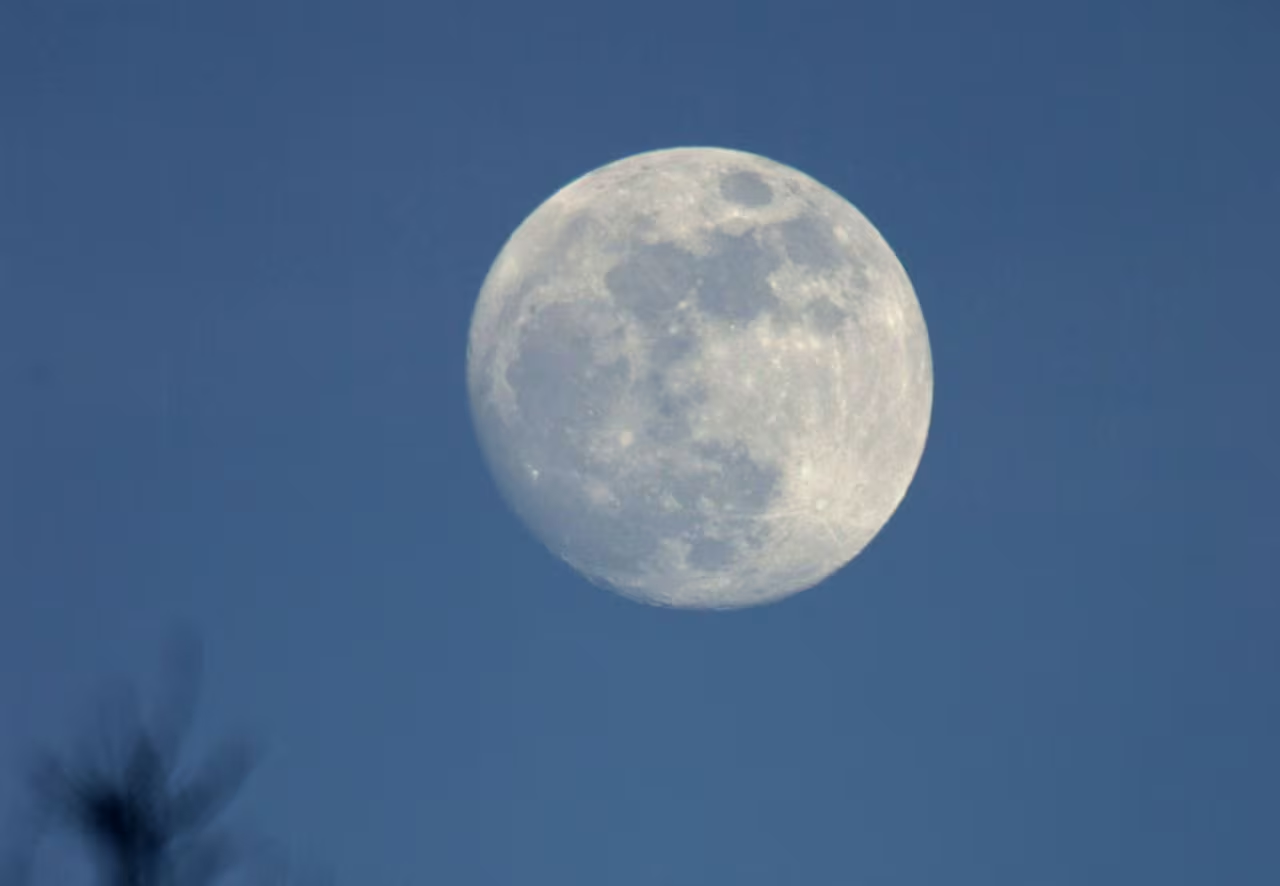
The 2026 Eta Aquarid meteor shower peaks overnight May 5–6 with up to ~50 meteors per hour under ideal skies. The radiant lies in Aquarius and northern observers typically see activity after midnight toward dawn, while southern tropical skies can offer brighter displays. A bright waning gibbous Moon (84% lit) rises just after midnight, potentially washing out fainter meteors, so the best viewing is in the pre-dawn hours from dark locations. No special equipment needed, and it's a good chance for photographers to catch fast meteor trails.

Eta Aquarids 2026: Best Predawn Viewing Amid Moonlit Sky
space23 days ago

Eta Aquarids 2026: Best Predawn Viewing Amid Moonlit Sky

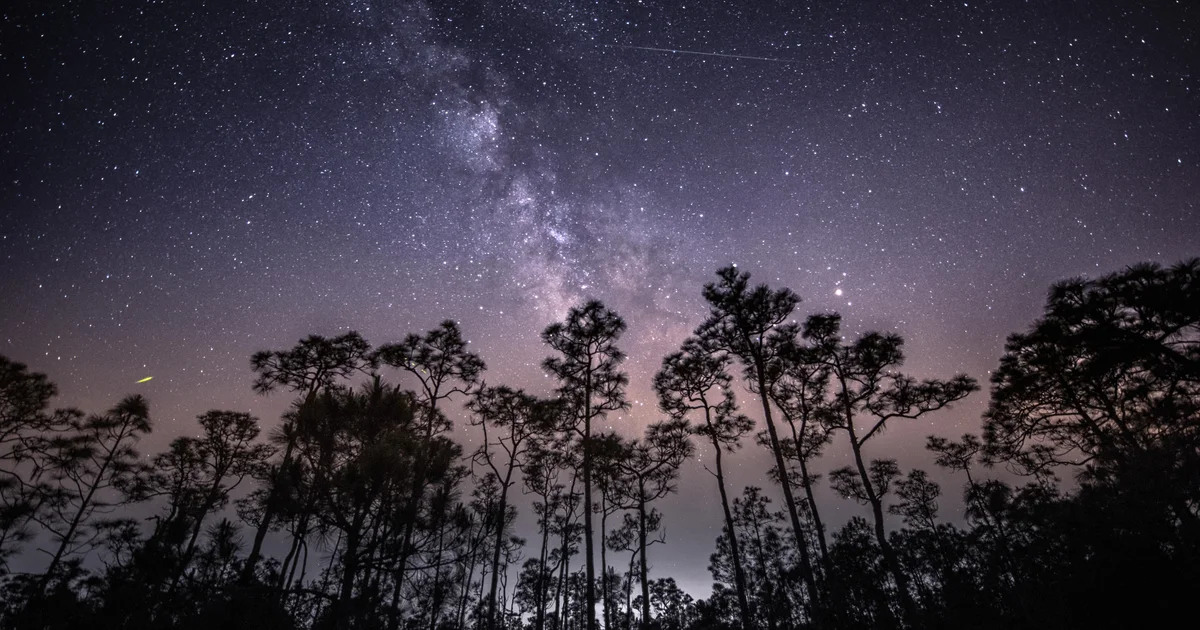
The Eta Aquarid meteor shower runs April 19–May 28, with a broad peak overnight May 5–6. For northern observers, the best viewing is in the predawn hours around May 6 when the Aquarius radiant is highest. Southern Hemisphere tropics may see up to about 50 meteors per hour under ideal conditions. A bright Moon (84% illuminated) rises after midnight on May 5–6, washing out many dim meteors and likely keeping northern hourly counts below 10. To spot them, locate the Aquarius radiant with a sky app, then scan a patch about 40 degrees away from the radiant. Meteors are best seen with the naked eye, and the article also notes photography tips and a share-the-image opportunity.

Pre-dawn Eta Aquarids to Light May Skies
space23 days ago

Pre-dawn Eta Aquarids to Light May Skies

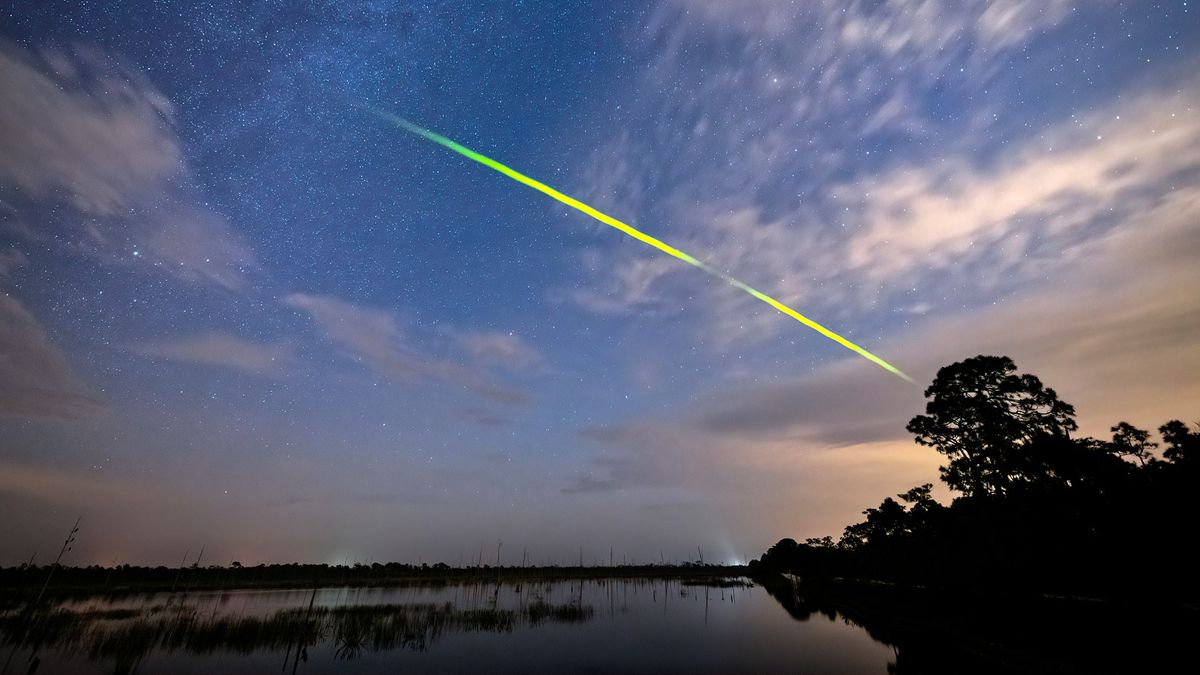
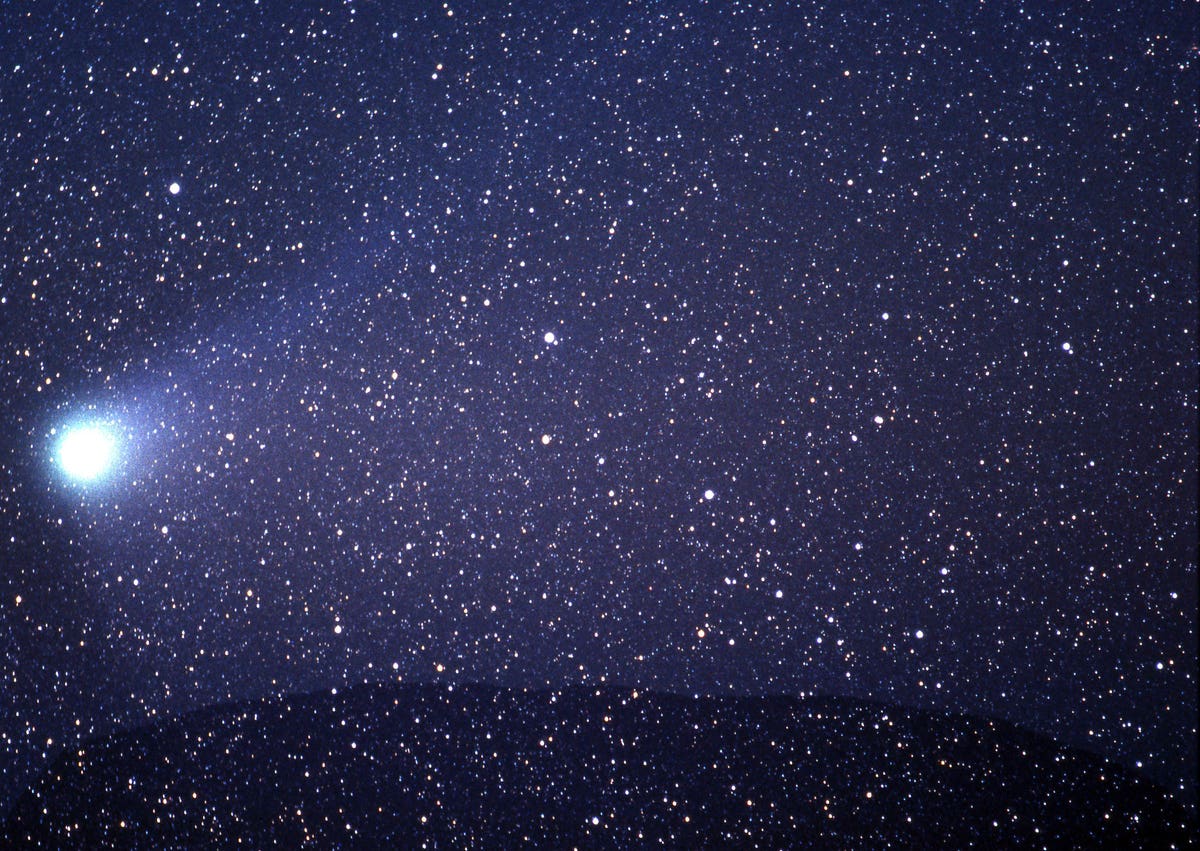
The Eta Aquarids are forecast to peak in the pre-dawn hours of May 5-6, offering up to about 50 meteors per hour under clear skies as they streak across the sky at roughly 40.7 miles per second; for best views, look east toward the Aquarius radiant before dawn, with activity tapering after the peak but some meteors visible through about May 21; the shower comes from debris left by Halley’s Comet, which orbits the Sun every 76 years.

Eta Aquarids 2026: Catch the pre-dawn meteor shower from Halley’s debris
space28 days ago

Eta Aquarids 2026: Catch the pre-dawn meteor shower from Halley’s debris

The Eta Aquarid meteor shower reaches a pre-dawn peak around May 5–6, 2026, with up to about 50 meteors per hour under clear skies, though bright moonlight will wash out fainter ones. The debris comes from Halley’s Comet, making the shower especially strong for the Southern Hemisphere or near the equator; observers farther north can still see roughly 10–30 meteors per hour at the peak. For the best view, head to a dark location, let your eyes adapt for about 30 minutes, and view around 2:00 a.m. local time up until dawn. No telescope is required, and you can enhance your experience with quiet, dark-sky observing and photography tips.

"Stunning Views of Comet Halley's Dust and Milky Way Galaxy Captured by NASA"
astronomy3 years ago

"Stunning Views of Comet Halley's Dust and Milky Way Galaxy Captured by NASA"

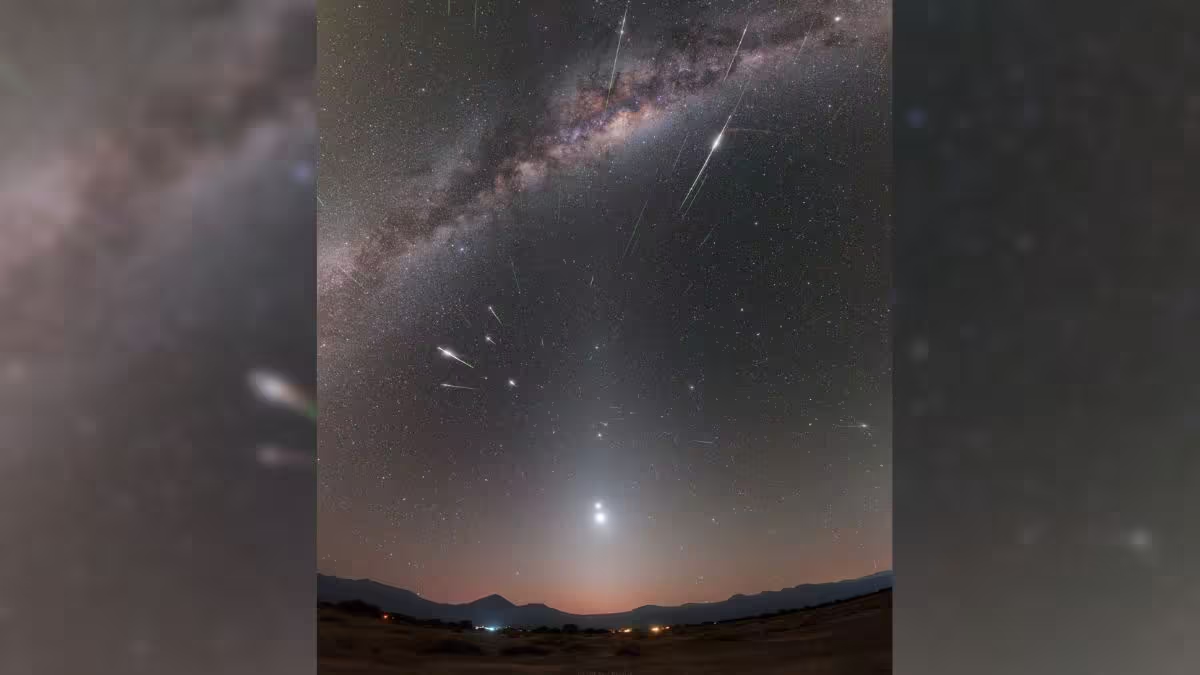
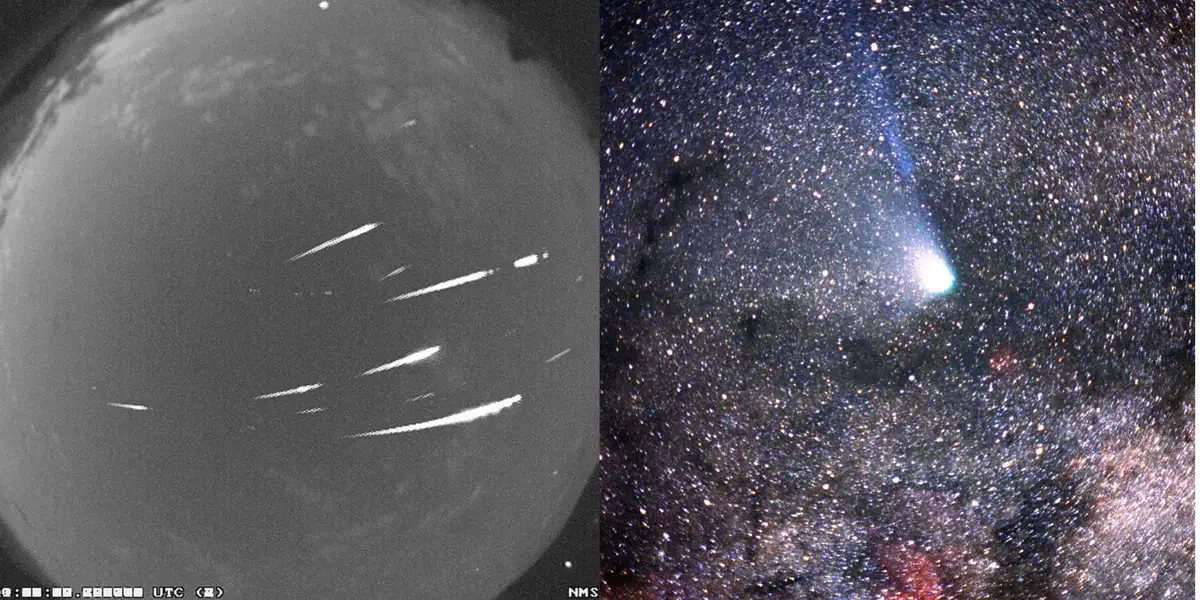
NASA's Astronomy Picture of the Day for May 12, 2023, features a breathtaking view of almost 90 Eta Aquarid meteors streaking across the sky from the radiant point in Aquarius. The image was captured by Petr Horalek of the Institute of Physics in Opava during the period of April 28 to May 8 in 2022. The mesmerizing effect was caused by the remnants of periodic Comet Halley's debris streams, which left surreal trails of cosmic dust across the skies of Earth. The scene in the image unfolds above San Pedro de Atacama, Chile, where the majestic Milky Way gracefully arches through the predawn skies of the southern hemisphere.

Meteorite crashes into New Jersey home's bedroom.
science3 years ago

Meteorite crashes into New Jersey home's bedroom.

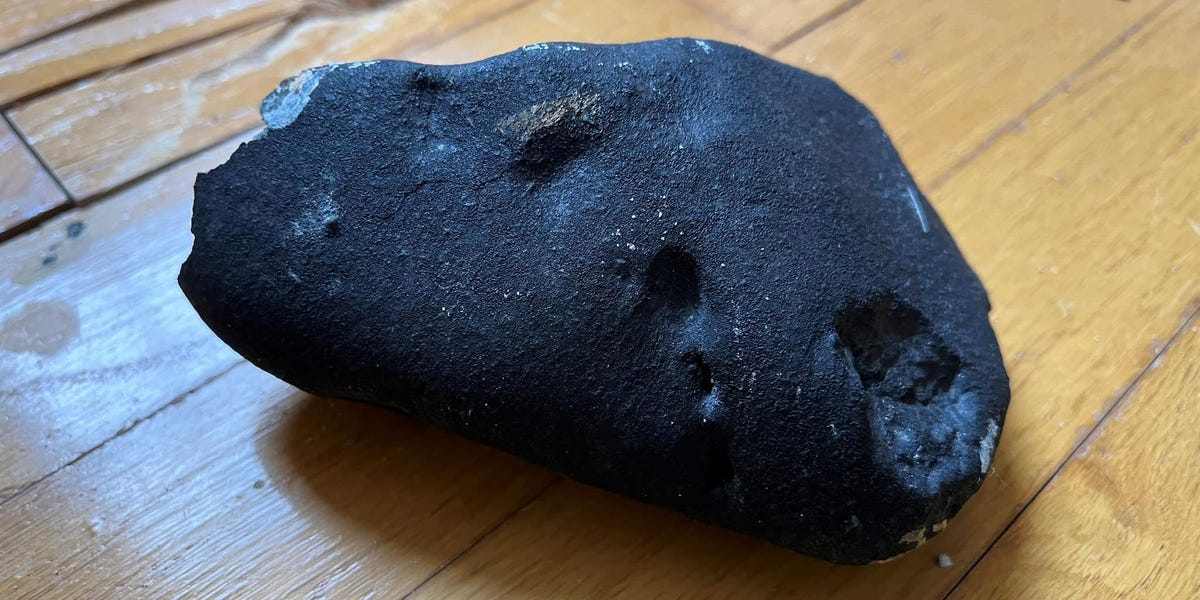
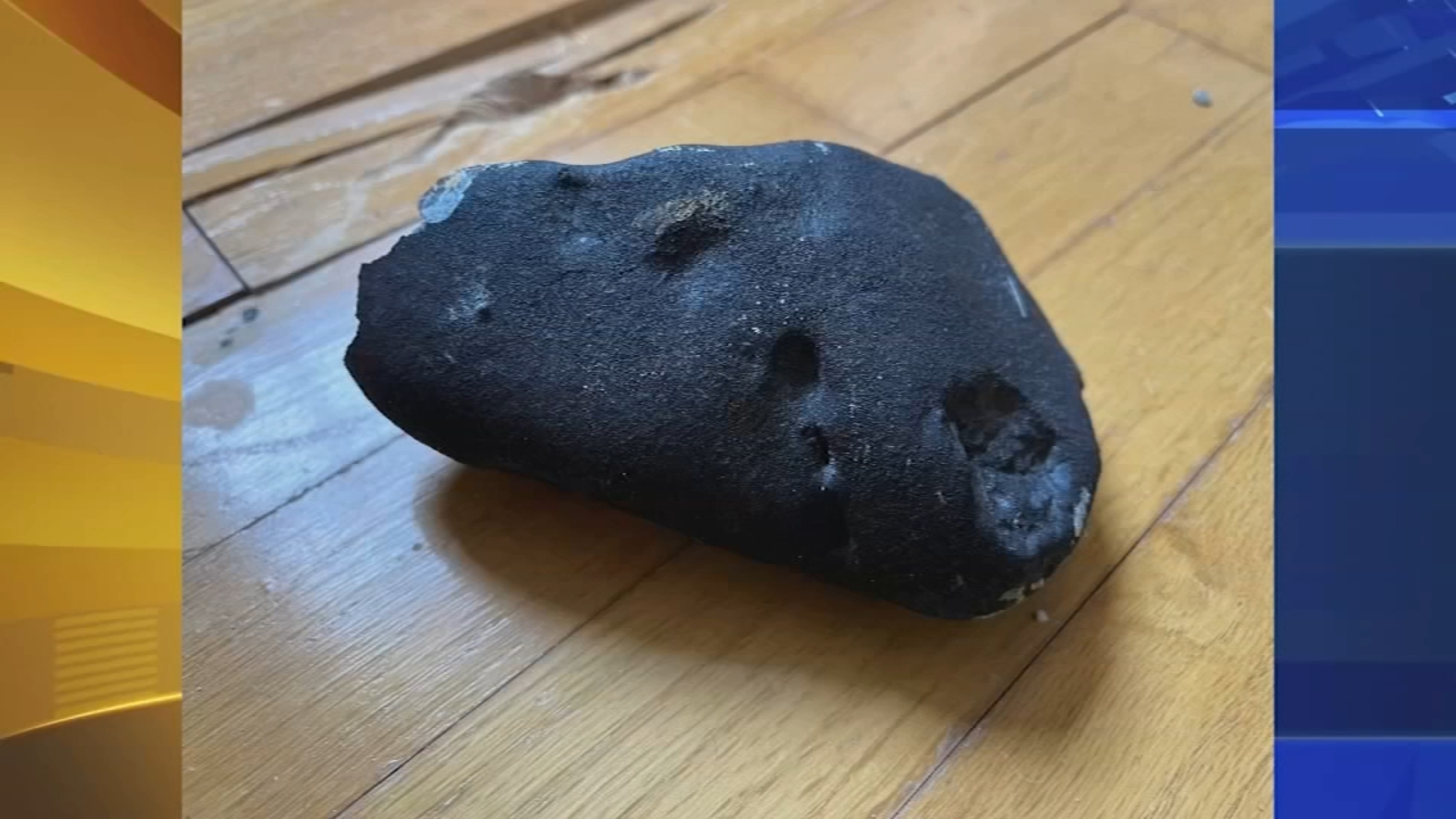
A grapefruit-sized metallic object, possibly a meteorite from the Eta Aquarids meteor shower, fell through the roof of a New Jersey home and landed in a bedroom, denting the floor. Nobody was injured in the rare incident. The rock was estimated to weigh about 4 pounds and was confirmed to be non-hazardous. It is rare for meteorites to hit buildings or people, and this one could be as old as the solar system. The family is considering buying a lottery ticket, since they just won the space lottery.

Meteorite crashes through New Jersey home, deemed safe by hazmat team.
science3 years ago

Meteorite crashes through New Jersey home, deemed safe by hazmat team.

A metallic object, possibly a meteorite, crashed through the roof of a New Jersey home and ricocheted across a bedroom before coming to rest on the floor. The object was about 4 inches by 6 inches and was warm to the touch when found by the homeowner's sister. Authorities tested the object for radiation and called in a geophysicist who said it appears consistent with a meteorite. The family is keeping the object in a safe location. This is a rare occurrence, especially for something this big to come through the atmosphere.

Don't Miss the Eta Aquarids Meteor Shower and Full Flower Moon This Weekend!
science3 years ago

Don't Miss the Eta Aquarids Meteor Shower and Full Flower Moon This Weekend!

The Eta Aquarids meteor shower, which peaks each year during early May as Earth passes through the debris trail from Halley's Comet, is expected to peak on Saturday. The radiant, or direction of origin, appears to come from the constellation Aquarius. The shower is visible in the Northern Hemisphere, but it's one of the best meteor showers of the year for people in the Southern Hemisphere. Moonlight may make it a bit more challenging to see, but the meteor shower is supposed to last until May 27.

"Upcoming Celestial Events: Meteor Showers and Full Moon in May 2023"
skywatching3 years ago

"Upcoming Celestial Events: Meteor Showers and Full Moon in May 2023"

The Eta Aquarids meteor shower, which is created by debris from Halley's Comet, will peak on May 5 and 6, with a rate of around 55 meteorites per hour. Skywatchers in the Northern Hemisphere will have a tougher time spotting the meteor shower due to its radiant being located in the Aquarius constellation near one of the constellation's brightest stars. However, those who can't view it in person can watch it streamed online for free.

Upcoming Meteor Showers: Dates and Locations to Catch Shooting Stars
astronomy3 years ago

Upcoming Meteor Showers: Dates and Locations to Catch Shooting Stars

The Eta-Aquarids meteor shower, caused by Halley's Comet, will peak on May 5-6 and can be seen anywhere in the night sky. While Halley's Comet won't return until 2061, its remains in the inner solar system cause two annual meteor showers. To see the Eta-Aquarids, it's best to be in a dark sky destination around midnight when the constellation Aquarius is highest in the sky. Photographing the meteor shower with a DSLR or mirrorless camera is recommended.

May's Celestial Spectacles: Flower Moon, Meteor Shower, Double Star, and Jupiter's Return.
astronomy3 years ago

May's Celestial Spectacles: Flower Moon, Meteor Shower, Double Star, and Jupiter's Return.

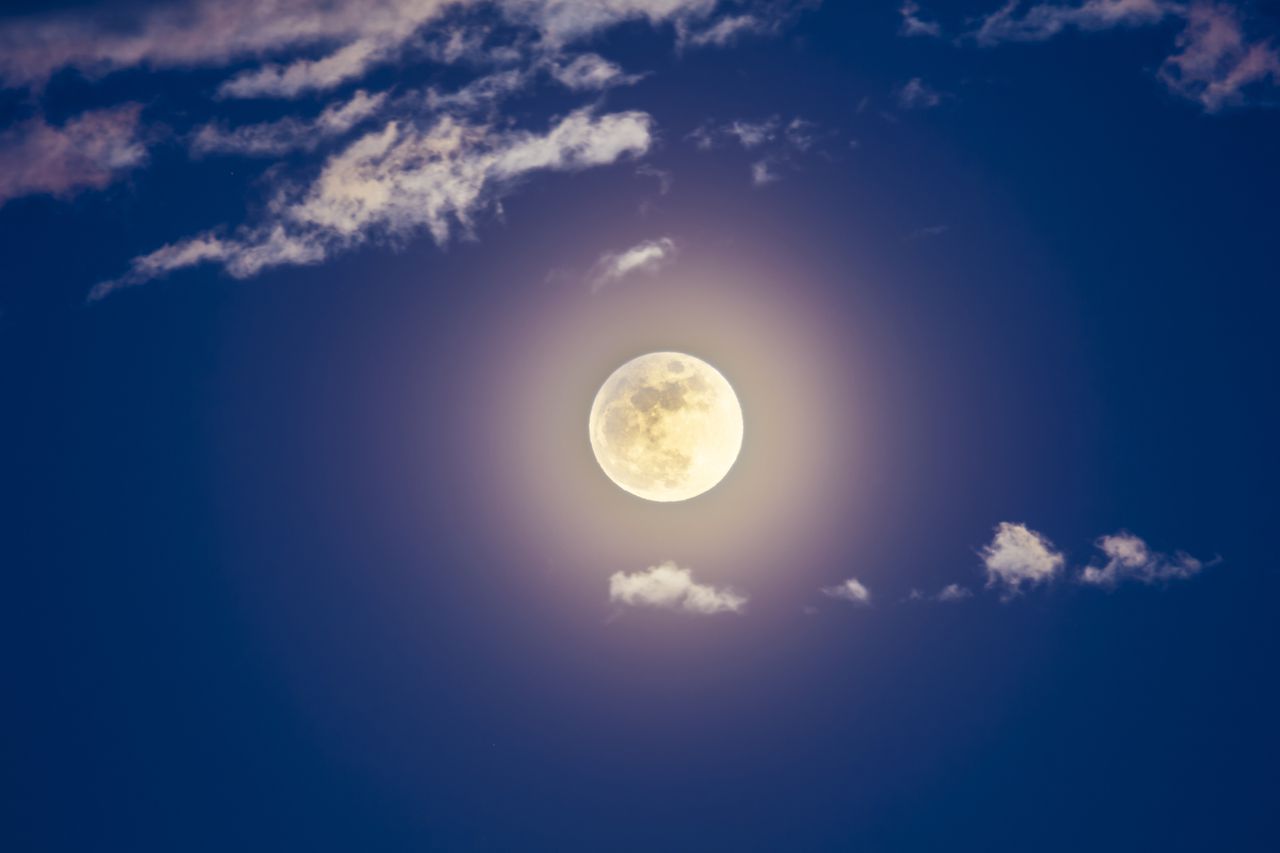
The May full moon, also known as the Flower Moon, will be visible on May 4 and 5, and will be accompanied by the Eta Aquarids meteor shower. Stargazers may also be able to spot the "surprise" double star Zubenelgenubi near the constellation Libra. The full moon's light may diminish the chances of seeing many meteors during the shower's peak, but heightened activity can stretch for several days, providing opportunities to spot meteors leading up to and after the full moon.

Don't Miss the Eta Aquarids Meteor Shower Peak on May 5 - Here's How to Watch!
science3 years ago

Don't Miss the Eta Aquarids Meteor Shower Peak on May 5 - Here's How to Watch!

The Eta Aquarids meteor shower is set to peak on May 5, offering up to 40 shooting stars per hour. Experts predict a meteor "outburst" that could double the number of meteors in the sky. NASA advises sky gazers to go outside a few hours before dawn, away from city lights, and look for streaks and fireballs caused by debris from the meteor burning up in the atmosphere.