Obesity Leaves Permanent Genetic Scars in Fat Tissue, Hindering Weight Loss
A new study reveals that obesity creates lasting biological changes in fat tissue immune cells, making it harder for the body to burn fat even after weight is lost.

All articles tagged with #fat tissue
A new study reveals that obesity creates lasting biological changes in fat tissue immune cells, making it harder for the body to burn fat even after weight is lost.
Guardian Science Weekly explores how fat is not just inert body padding but a dynamic, communicative tissue—so central that some researchers consider it an organ—and examines what this means for health and obesity, with insights from Ian Sample, Madeleine Finlay, and Imperial College London’s Declan O’Regan.
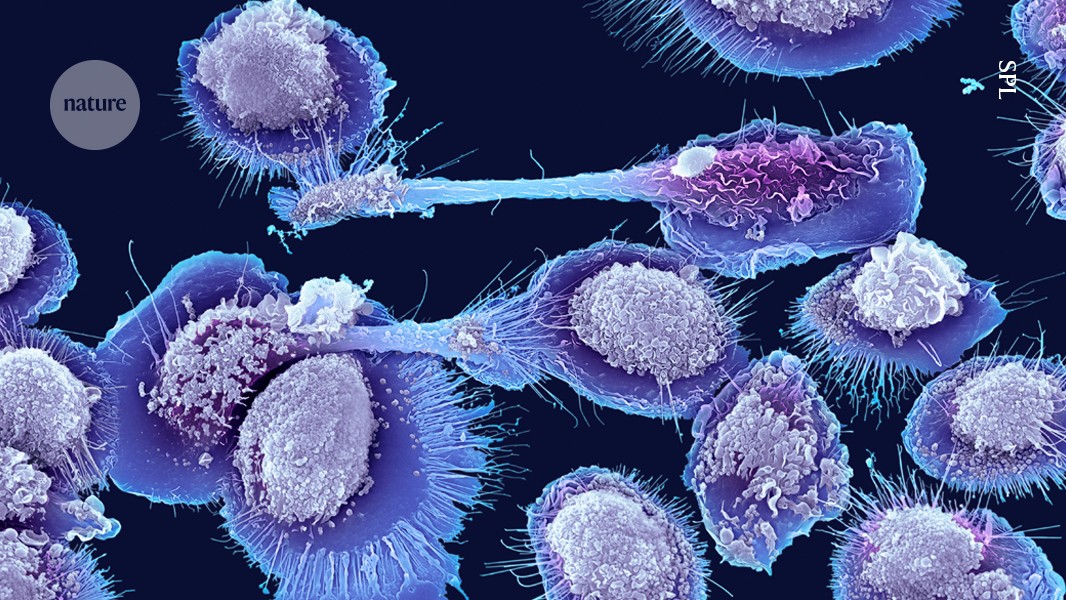
Researchers discovered a new type of immune cell in the fat tissue of mice that appears to contribute to age-related chronic inflammation, or inflammageing, with variations observed between sexes and age groups, shedding light on immune system changes during aging.
A new study suggests that internal fat, through the release of harmful adipokines, may be the primary cause of heart failure with preserved ejection fraction (HFpEF), shifting the focus from traditional blood pressure causes to fat biology, and opening new avenues for diagnosis and treatment.
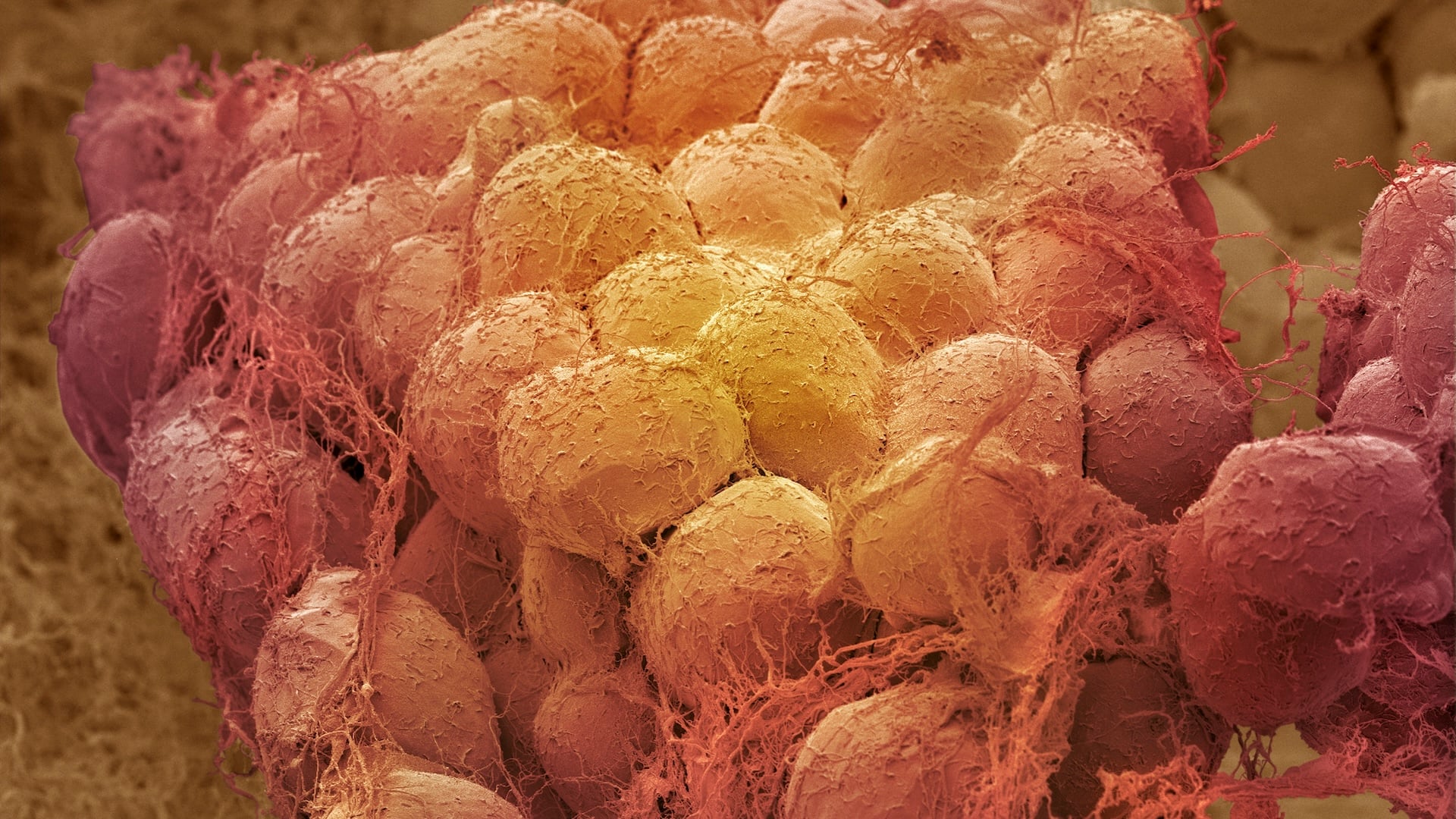
A study published in Nature suggests that weight loss not only reduces fat but also causes cellular changes in fat tissue, potentially rejuvenating it by reversing cell aging and altering lipid metabolism, although some markers of poor health may persist, indicating that maintaining a healthy weight is crucial for long-term health benefits.
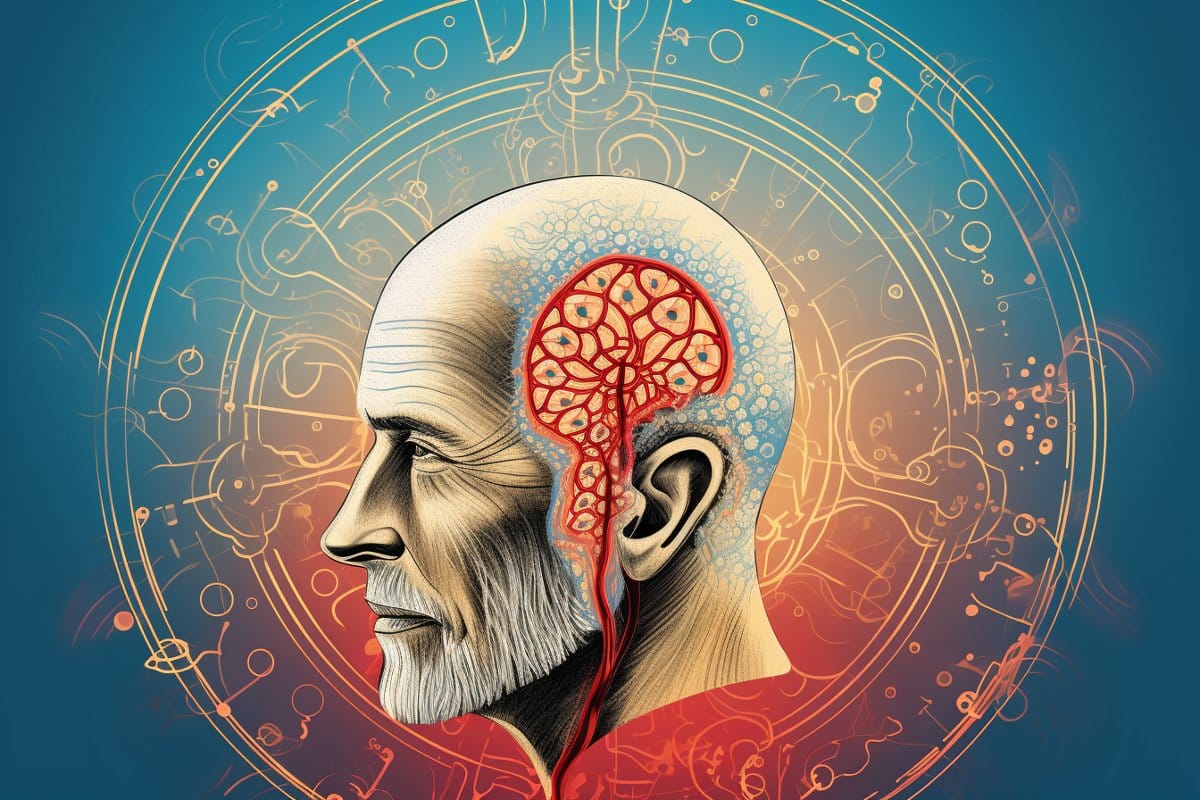
Researchers have discovered a crucial brain-fat tissue feedback loop that influences aging and health, with specific neurons in the hypothalamus triggering the release of energy from the body's fat tissue. Mice with a sustained feedback loop displayed delayed aging, increased physical activity, and longer lifespans, offering potential insights for future interventions in aging and longevity. The study suggests that maintaining this feedback loop could slow the effects of advancing age, with implications for developing anti-aging therapies.
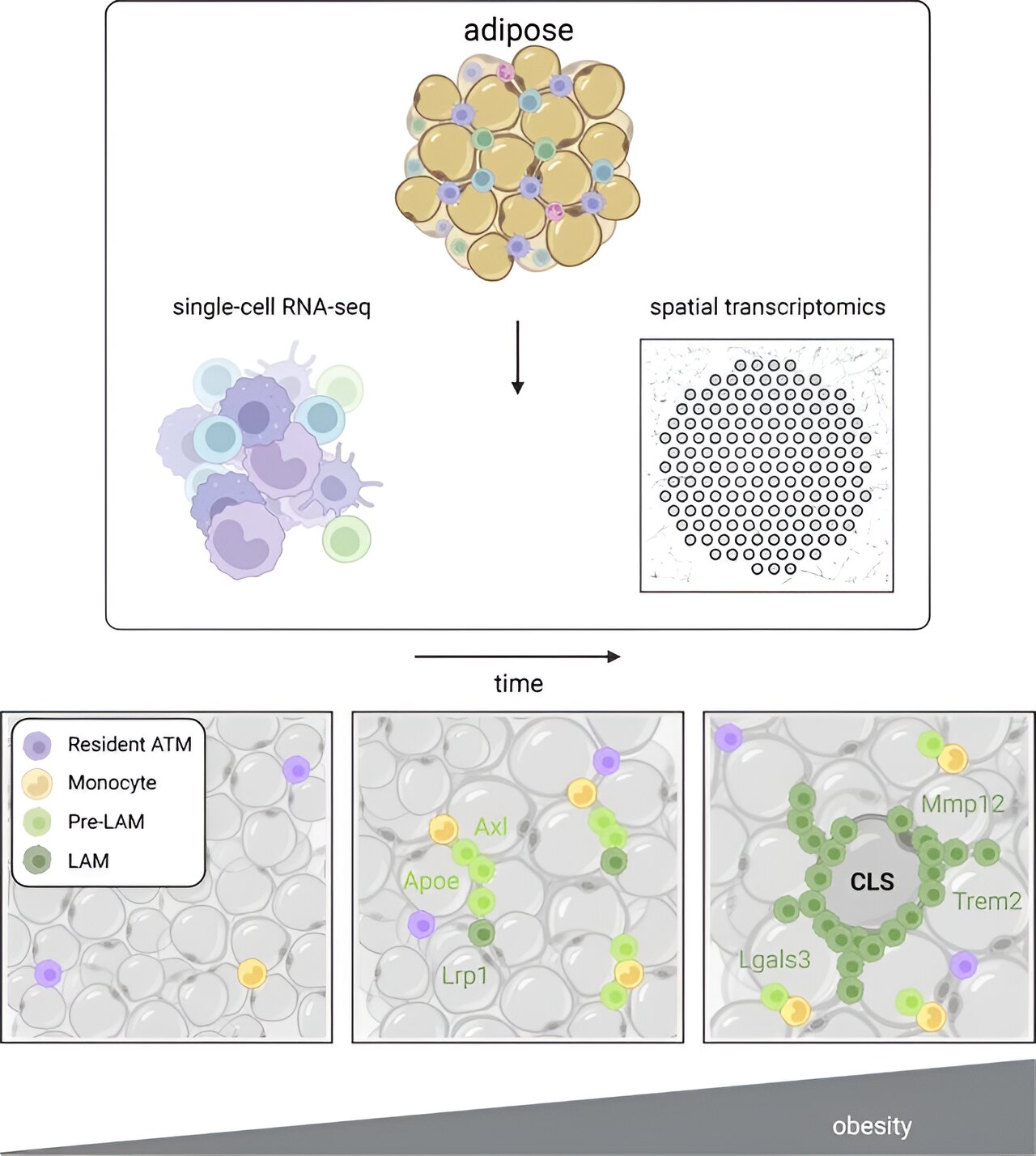
A study conducted by researchers at the University of Michigan has revealed new insights into the complex inflammatory response that occurs within fat tissue in obesity. Using single cell analysis and spatial transcriptomics, the study identified previously unrecognized immune cell types and interactions within adipose tissue. The researchers discovered different subtypes of macrophages, with some exhibiting pro-inflammatory genes and others showing low pro-inflammatory gene expression. The findings suggest that the body may attempt to counter inflammation by promoting lipid-associated macrophages. Further research will focus on understanding the signaling processes and proteins associated with the development of these macrophages and metabolic disorders.
The MaineHealth Institute for Research has won an $802,000 award from the National Institutes of Health to study whether the virus that causes COVID-19 remains hidden in the fat tissue of patients with long COVID, stressing their immune systems. The study is scheduled to start in May 2023 and will collaborate with research centers in Kentucky and Louisiana. Long COVID symptoms include difficulty breathing, brain fog, joint pain, and a tight chest, and nearly 1 in 5 of those who have had COVID-19 still experience symptoms of long COVID.