Tag

Immune Cells

All articles tagged with #immune cells

Pigeons rely on a liver-based compass to navigate cloudy skies
science1 month ago

Pigeons rely on a liver-based compass to navigate cloudy skies

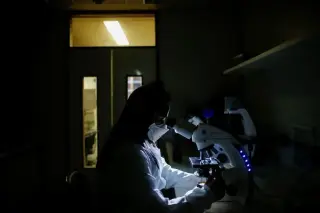
Scientists trained 34 pigeons to navigate a 12‑mile route and found iron‑rich immune cells in the liver may act as an internal magnetic compass, helping them sense Earth's magnetic field when visual cues are blocked by clouds. Pigeons depleted of these cells got lost under overcast skies, while birds with normal iron stores completed the route; after the cells naturally repopulated, navigation improved again. The cells display superparamagnetism and may relay directional information to the brain via nerves from the liver. While some scientists praise the possible new mechanism of magnetic perception, others call for more direct evidence before drawing firm conclusions. The research team plans to further investigate how immune cells communicate with the nervous system and to track pigeons globally to learn more about their navigation skills.

New Map of Aging Breast Tissue Reveals Why Cancer Risk Increases with Age
science2 months ago

New Map of Aging Breast Tissue Reveals Why Cancer Risk Increases with Age

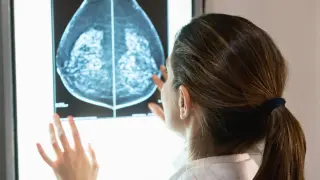
A study analyzing normal breast tissue from 527 women (over 3 million cells) created a detailed map of how breast tissue changes with age, finding dramatic remodeling around menopause—shrinking milk-producing lobules, fewer epithelial and immune cells, increased fat, and a shift to a tissue environment that can better support cancer development. Younger breasts had more cancer-fighting B- and T-cells, while older breast tissue showed fewer of these cells and more pro-cancer immune cells like M2 macrophages, helping explain why breast cancer risk rises with age. The work, published in Nature Aging, underscores how aging tissue and immune landscape contribute to cancer susceptibility.

Diabetes drug metformin hints at long-term HIV control after stopping therapy
science2 months ago

Diabetes drug metformin hints at long-term HIV control after stopping therapy

New immunology research links specific immune-cell patterns and two genes (DDIT4 and ZNF254) to longer ART-free control of HIV; metformin can activate one of these mechanisms to keep HIV dormant, delaying or potentially preventing rebound after treatment interruption. Analyses of ART-interruption trials showed higher levels of stem cell–memory CD8+ T cells and certain natural killer cells associated with slower rebound. This supports a block-and-lock strategy using metformin or similar drugs, with preclinical and clinical testing planned by the HOPE Collaboratory to pursue HIV silencing while reducing inflammation.

Zombie COVID Fragments Attack Immune Cells, Fuel Long COVID
science5 months ago

Zombie COVID Fragments Attack Immune Cells, Fuel Long COVID

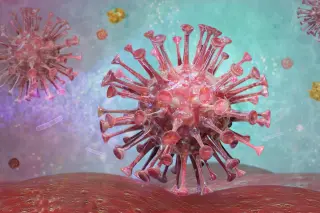
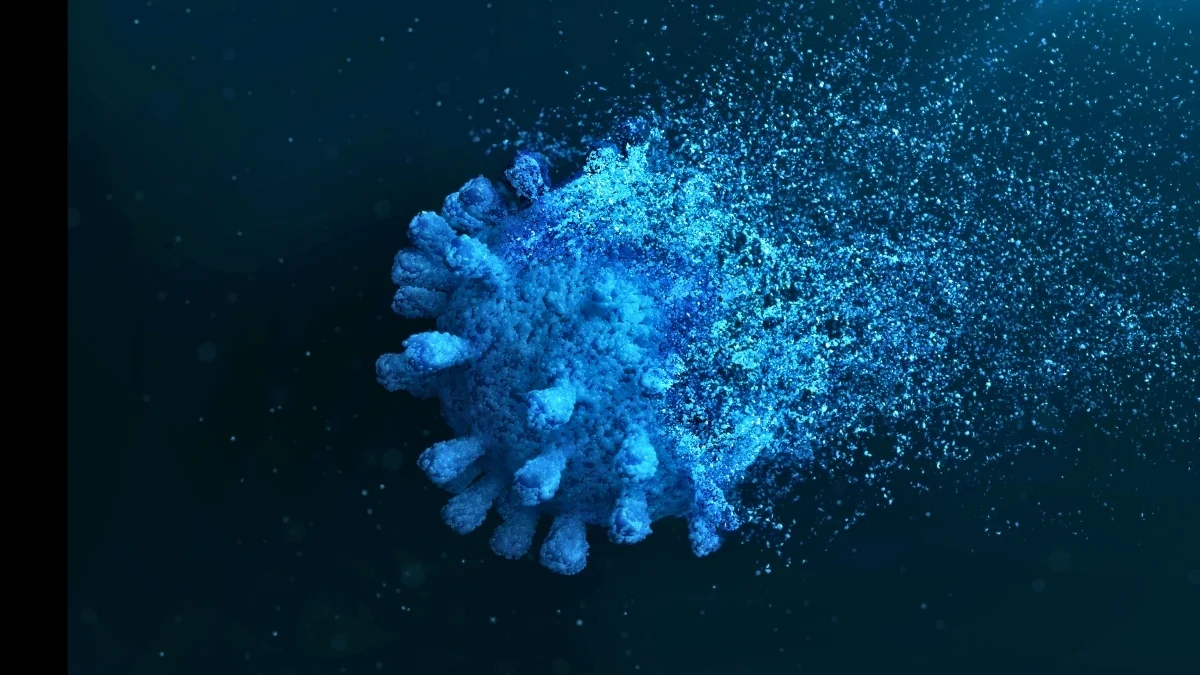
New research shows leftover fragments from SARS-CoV-2 form protein pieces that bind to curved membranes on immune cells, suppressing dendritic cells and T cells and potentially driving long-COVID; Omicron fragments appear less damaging to these cells, highlighting variant differences while underscoring ongoing COVID risks and the value of vaccination.

Skin Immune Cells Trigger Hidden Psoriatic Arthritis
health5 months ago

Skin Immune Cells Trigger Hidden Psoriatic Arthritis

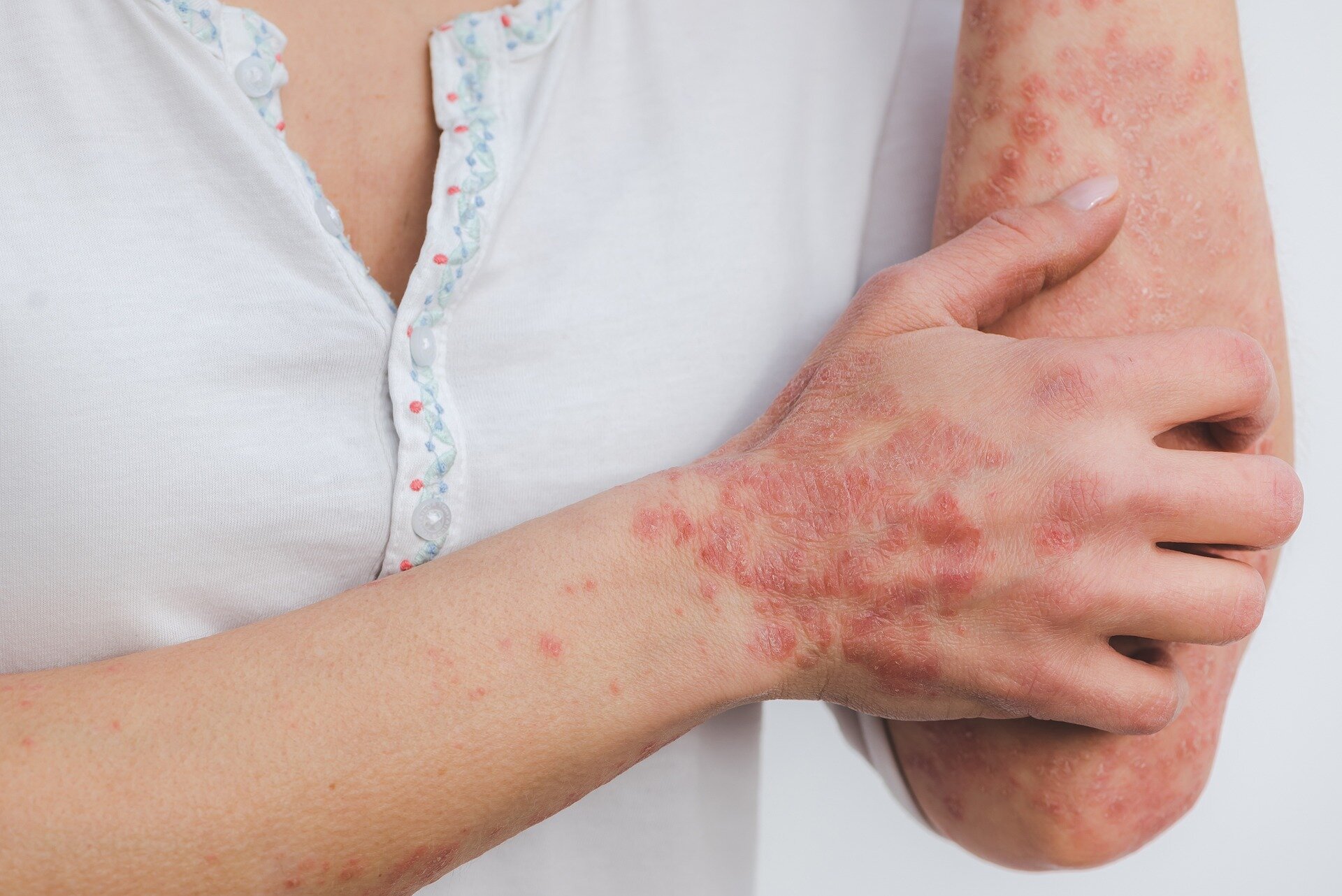
Researchers found that immune cells formed in inflamed psoriasis skin can migrate into the bloodstream and travel to joints, where they encounter fibroblasts and ignite inflammation leading to psoriatic arthritis. The study explains why only some psoriasis patients develop arthritis and suggests blood-d detectable migratory cells could serve as an early warning, with future therapies aiming to intercept these cells before joint damage occurs.

Genetics and environment jointly sculpt the immune cell epigenome
science5 months ago

Genetics and environment jointly sculpt the immune cell epigenome

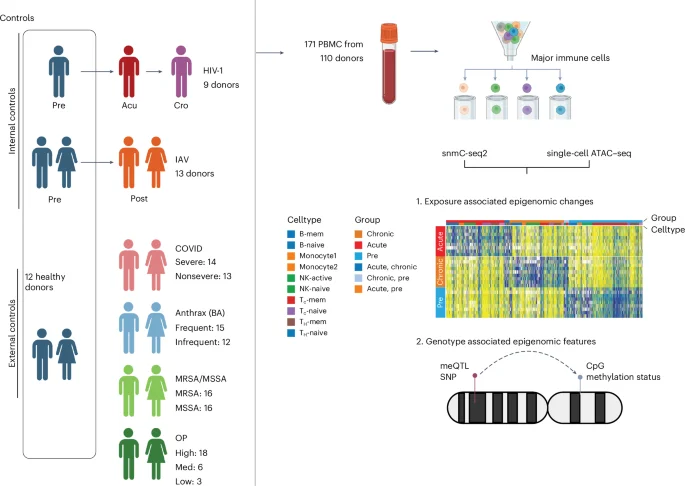
Single-cell methylome and chromatin-accessibility analysis across 171 PBMC samples shows that genetic variation and environmental exposures independently shape immune cell epigenomes, with exposure- and genotype-associated regions showing distinct genomic enrichments (eDMRs at enhancers, gDMRs in gene bodies); colocalization of meQTLs with disease GWAS signals provides cell-type-specific insights into how genetics and environment influence health and disease.