Dia Harris, a former federal worker placed on a 'DEI Watchlist,' has been unemployed for 368 days. He has applied to 561 jobs, receiving only automated rejections. His case illustrates the severe employment challenges facing workers affected by recent federal DEI-related dismissals.
Donald Trump’s second term has triggered a severe erosion of US worker protections, prompting international bodies to place the country on a 'Watchlist' for systemic rights violations. Key actions include stripping collective bargaining rights from over one million federal employees, cutting workplace safety inspections by 20%, and eliminating overtime protections for 4.3 million salaried workers. While the White House cites tax cuts and trade deals as pro-worker measures, labor leaders describe these actions as the most anti-union in modern history, resulting in significant membership losses for major federal unions.
The Forest Service is offering Voluntary Early Retirement Authority and Voluntary Separation Incentive Payments to employees impacted by a broad reorganization that relocates the agency’s headquarters to Salt Lake City, shutters nine regional offices, and preserves only select research facilities. About 500 staff may need to relocate, with thousands of employees affected by the relocation and research-center closures. The agency says frontline mission work will continue, but budget and staffing shifts — including potential reductions in research positions and a large facility maintenance backlog — accompany the plan, which has drawn concerns from lawmakers and unions about broader workforce impacts.
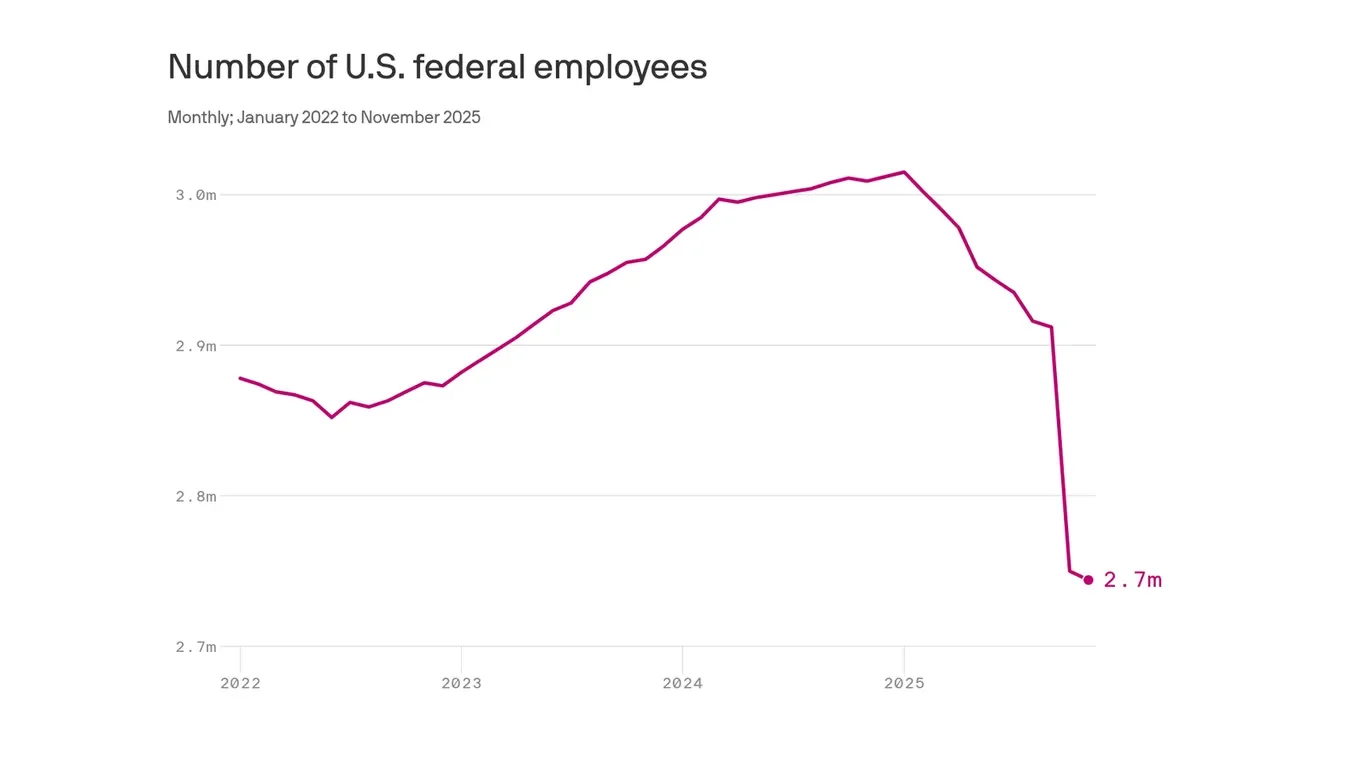
In the first year of Trump’s second term, the economy showed resilience in spending and overall growth after a tariff-driven dip, but job creation slowed to its weakest pace outside recessions since 2003, keeping the labor market under strain while inflation remained above the Fed target. Federal employment fell sharply as efficiency measures trimmed payrolls, and while consumer spending stayed strong—though in a K-shaped pattern favoring higher-income households—the pace of hiring and policy uncertainty suggest risks to sustained growth ahead.
The federal workforce has shrunk by about 9% since early 2025, primarily due to voluntary departures under the Trump administration's policies, with some rehiring efforts underway to fill critical roles.
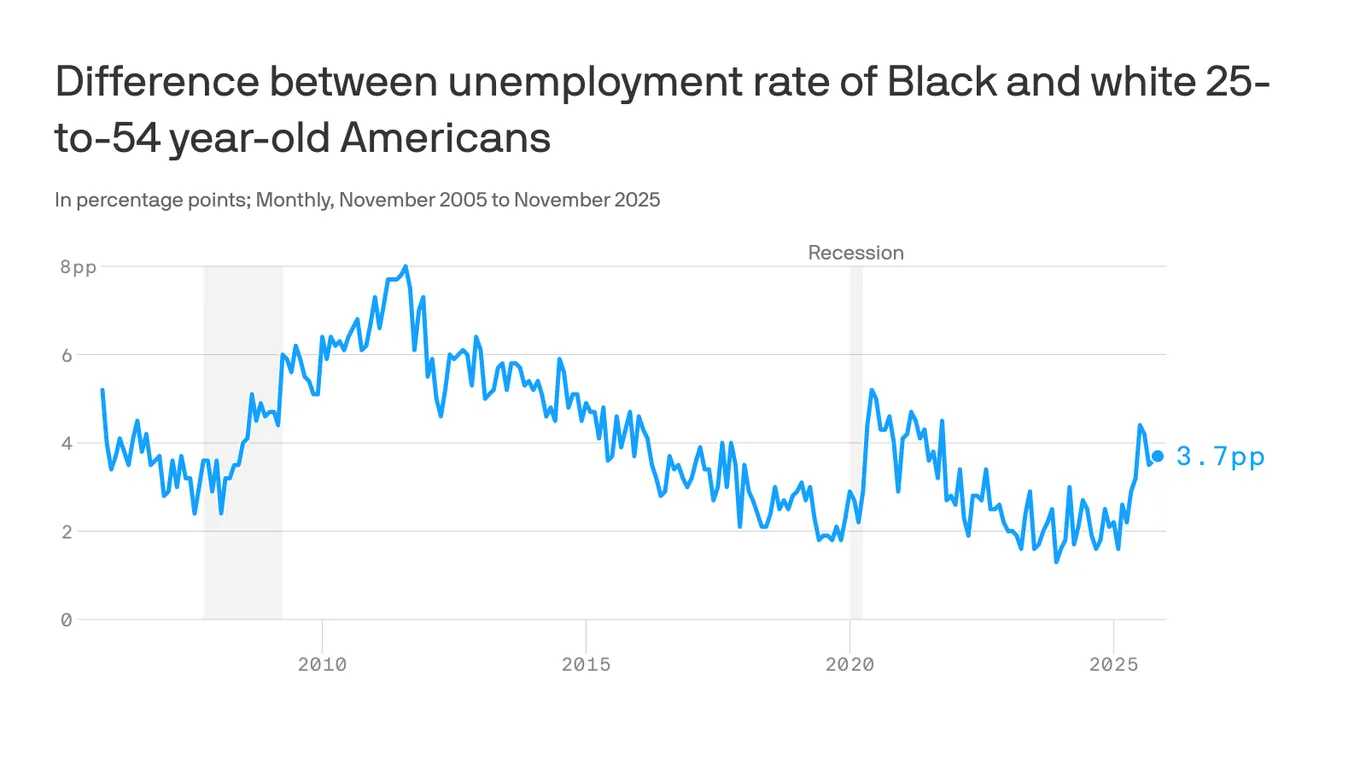
Black Americans are experiencing a worsening in employment conditions, with their unemployment rate rising sharply due to factors like shrinking federal jobs, reversing previous gains where Black-white employment gaps were at record lows, and highlighting ongoing racial disparities in the labor market.
President Trump announced his intention to nominate E.J. Antoni, a critic of the BLS, as the new agency head, replacing the fired Erika McEntarfer amid controversy over data integrity and political influence. Antoni, a conservative economist with ties to the Heritage Foundation, has questioned the reliability of recent labor data, and his appointment raises concerns about the independence and accuracy of economic reporting.
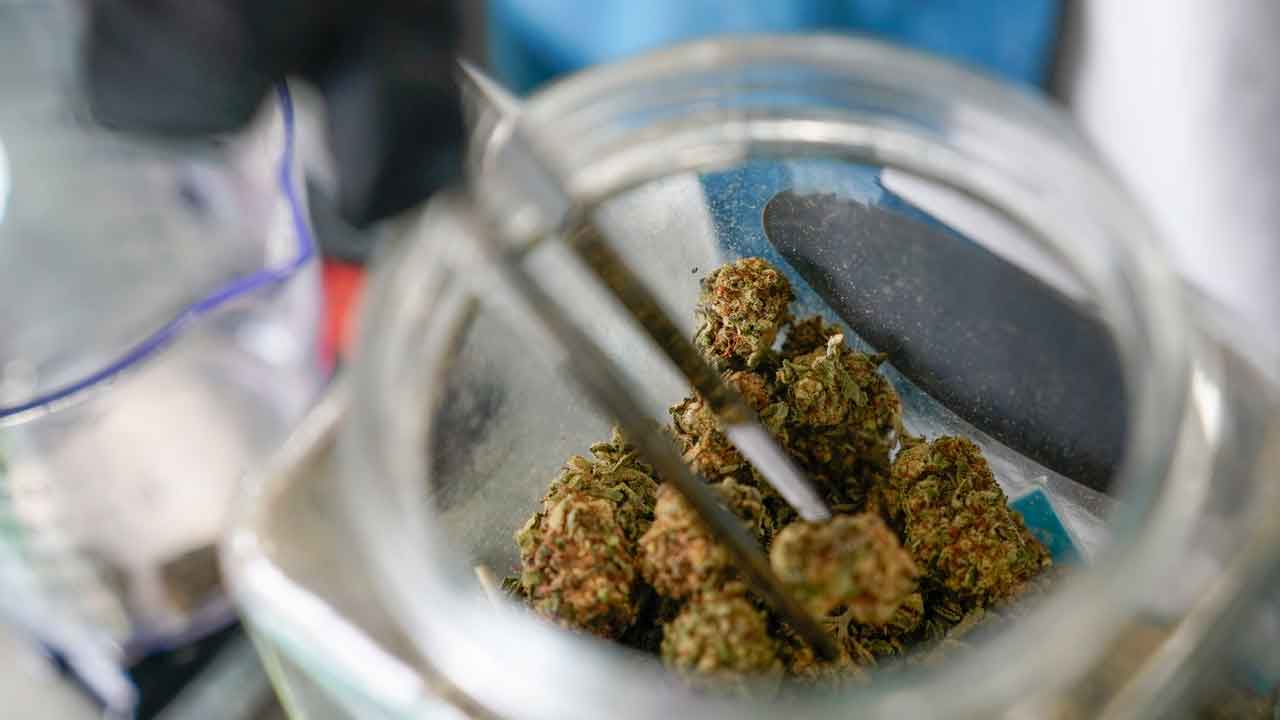
A bipartisan bill, the Cannabis Users Restoration of Eligibility Act, has been introduced in Congress to change a law that automatically disqualifies candidates who admit to using cannabis from federal employment. Despite the legalization of recreational marijuana in many states, individuals who have consumed cannabis have been barred from federal jobs. The proposed bill aims to eliminate this restriction and allow past or current marijuana use to be disregarded when considering security clearance or suitability for federal employment. It also provides an opportunity for those previously denied clearance or job opportunities due to marijuana use to have their cases reviewed. The bill treats marijuana like alcohol, allowing consequences for using it during work, and requires federal agencies to create a process for reviewing past decisions related to cannabis use.
A recent survey found that 30 percent of young adults between the ages of 18 and 30 have either declined to apply or withdrawn applications for federal jobs because of strict marijuana policies required for security clearances. The poll interviewed young adults about federal employment policies, focusing on cannabis. One of the most notable findings is that 20 percent of participants said that they’ve declined to apply for federal jobs because of the government’s restrictive cannabis policies. While 39 percent said they’d be willing to abstain from cannabis in order to secure a federal job, 18 percent said they wouldn’t.