Fortune presents a contrarian view that Fed rate cuts may come as payrolls slow and inflation cools, challenging the hawkish stance of Kevin Warsh and suggesting current data and oil dynamics could push markets toward easing rather than further hikes.
The U.S. eases sanctions on Venezuela's state-owned PDVSA to help dampen oil prices amid the Iran war, while the Federal Reserve signals only one rate cut this year after holding rates steady. The wrap also notes a temporary Pakistan–Afghanistan ceasefire, Illinois' Juliana Stratton moving toward a U.S. Senate seat, a Southwest heat wave, a landmark WNBA salaries deal, Venezuela's win at the World Baseball Classic, and stocks slipping on energy-price worries and limited rate-cut expectations.
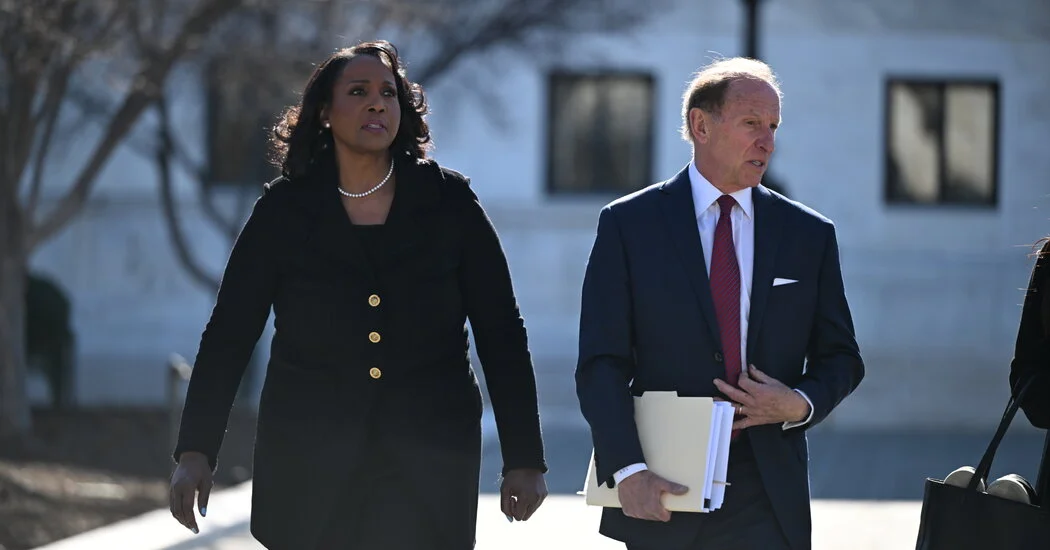
The Supreme Court heard arguments over whether President Trump can remove Federal Reserve Governor Lisa D. Cook for cause, with justices weighing due process, the Fed’s independence, and what counts as “cause.” While justices signaled caution about altering Fed autonomy, they appeared inclined to decide narrowly and likely send the case back to lower courts for a fuller factual record, potentially keeping Cook in her post during proceedings.
Trump suggested Kevin Hassett may remain at the White House instead of becoming Fed chair, a stance that could boost odds for hawkish Kevin Warsh and push the 10-year Treasury yield above 4.2% as markets price fewer rate cuts under a Warsh-led Fed.
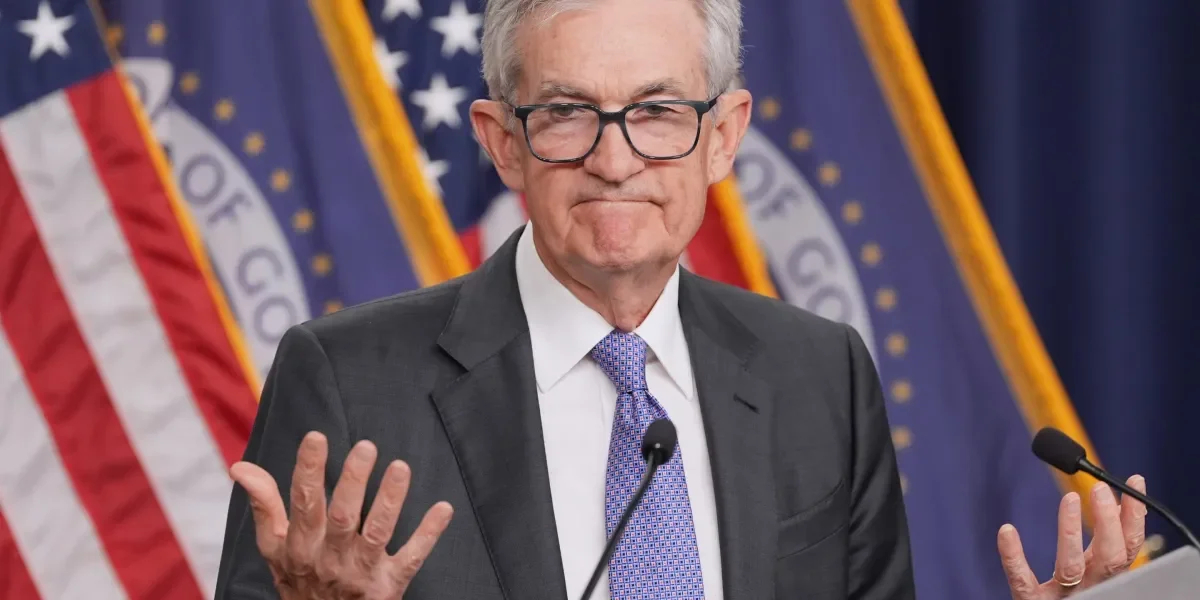
Senate Republicans rally to Fed Chair Jerome Powell amid DOJ subpoenas tied to a $2.5 billion renovation, stressing Powell’s long history with Congress and his insistence that the Fed remain independent from political pressure.
US unemployment benefit applications dropped below 200,000 last week, indicating low layoffs despite signs of a weakening labor market, with recent data showing mixed signals about job growth and economic health.
US jobless claim applications decreased by 13,000 to 224,000 last week, indicating low layoffs and a healthy labor market despite concerns over recent job gains and economic uncertainties. The labor market remains resilient, though recent data and revisions suggest some weakening, with notable layoffs at major companies and a cautious Federal Reserve.
Wall Street is awaiting the November CPI report, the first after the government shutdown, with expectations of a 3.1% inflation rate, potentially lower, which could influence interest rate policies and market momentum for 2026. The report's timing and data collection issues due to the shutdown add uncertainty to its impact.
Investors face a risky week with a busy earnings season, key economic data releases, a crucial trade deadline, and central bank meetings, amid concerns that high valuations and recent gains may lead to volatility or a market correction.
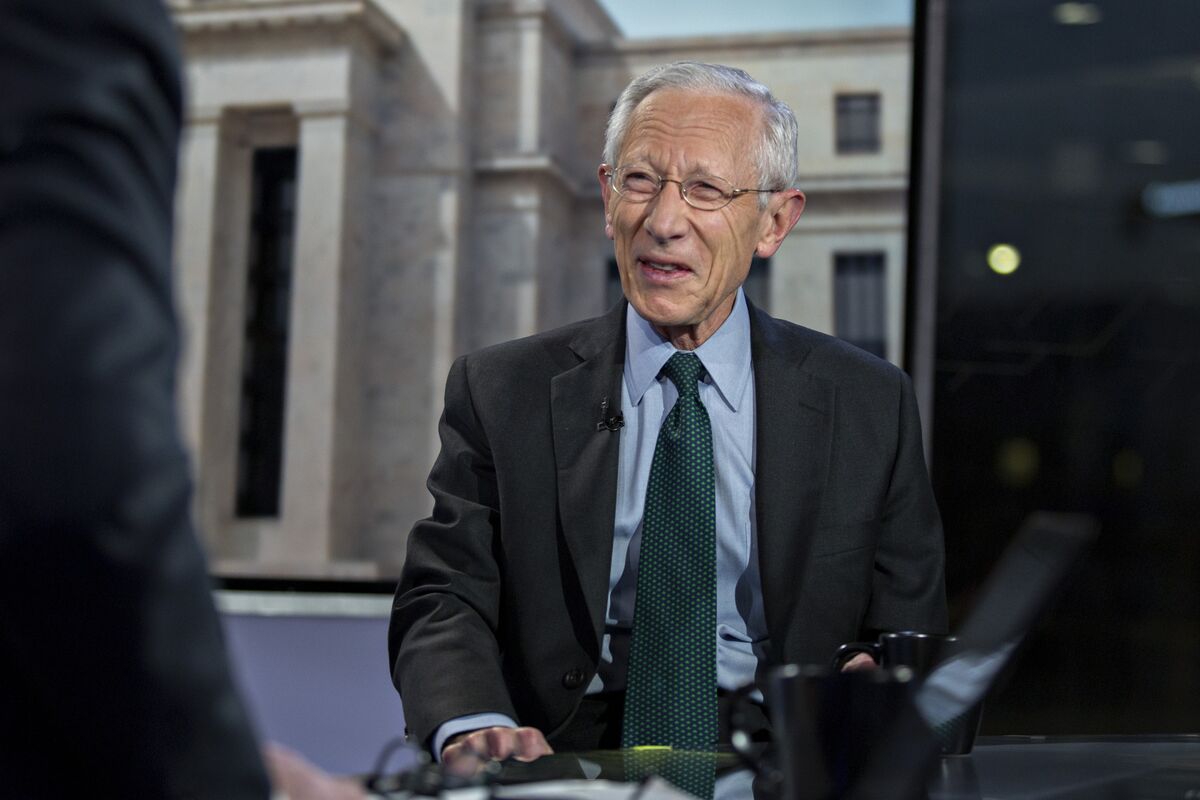
Stanley Fischer, a renowned macroeconomist and influential policy maker who served as vice chairman of the US Federal Reserve and governor of the Bank of Israel, has died at 81. He was a mentor to many leading economists, authored influential textbooks, and played key roles in global economic crises and policy decisions worldwide.
Major U.S. stock indexes, including the S&P 500 and Dow Jones, are experiencing slight fluctuations and are on track for weekly losses as a recent rally loses steam. Broadcom's shares surged, pushing its market cap over $1 trillion, driven by strong AI-related sales. Meanwhile, investors are anticipating the Federal Reserve's upcoming policy meeting, with expectations of a rate cut despite persistent inflation. Other tech stocks like Nvidia and Apple saw mixed performances, and economic indicators remain a focus for market participants.
The Nasdaq composite hit a new record high, driven by a surge in Broadcom shares, which rose over 15% and pushed the company's market cap past $1 trillion. Other AI-related stocks like Nvidia also saw gains. However, broader market indexes like the S&P 500 and Dow Jones showed mixed performance, with small caps lagging. The 10-year Treasury yield increased ahead of the Federal Reserve's expected rate cut next week. Broadcom's strong AI revenue growth and custom chip development contributed to its stock surge.
Tech stocks led gains in US equity futures, indicating a positive end to the week on Wall Street as traders anticipate the Federal Reserve's final interest-rate decision of the year. Despite a slight dip in European and Asian markets, US markets showed resilience, with Nasdaq 100 contracts rising 0.5%. The pound weakened following unexpected economic contraction in the UK, while global markets remained cautious after China's Central Economic Work Conference ended without detailed fiscal stimulus plans. European stocks are expected to underperform US stocks in 2025, amid political and economic challenges.
The stock market experienced a downturn as the S&P 500, Nasdaq, and Dow Jones all fell, driven by concerns over inflation and interest rate decisions. Despite a record high for Apple, Adobe's weak revenue forecast and Nvidia's decline contributed to the negative sentiment. The producer price index rose more than expected, complicating the Federal Reserve's potential rate cut decision. Meanwhile, mortgage rates fell for the third week, and YouTube TV announced a price increase. Bitcoin remained above $101,000, buoyed by optimism over potential crypto-friendly policies under President-elect Trump.
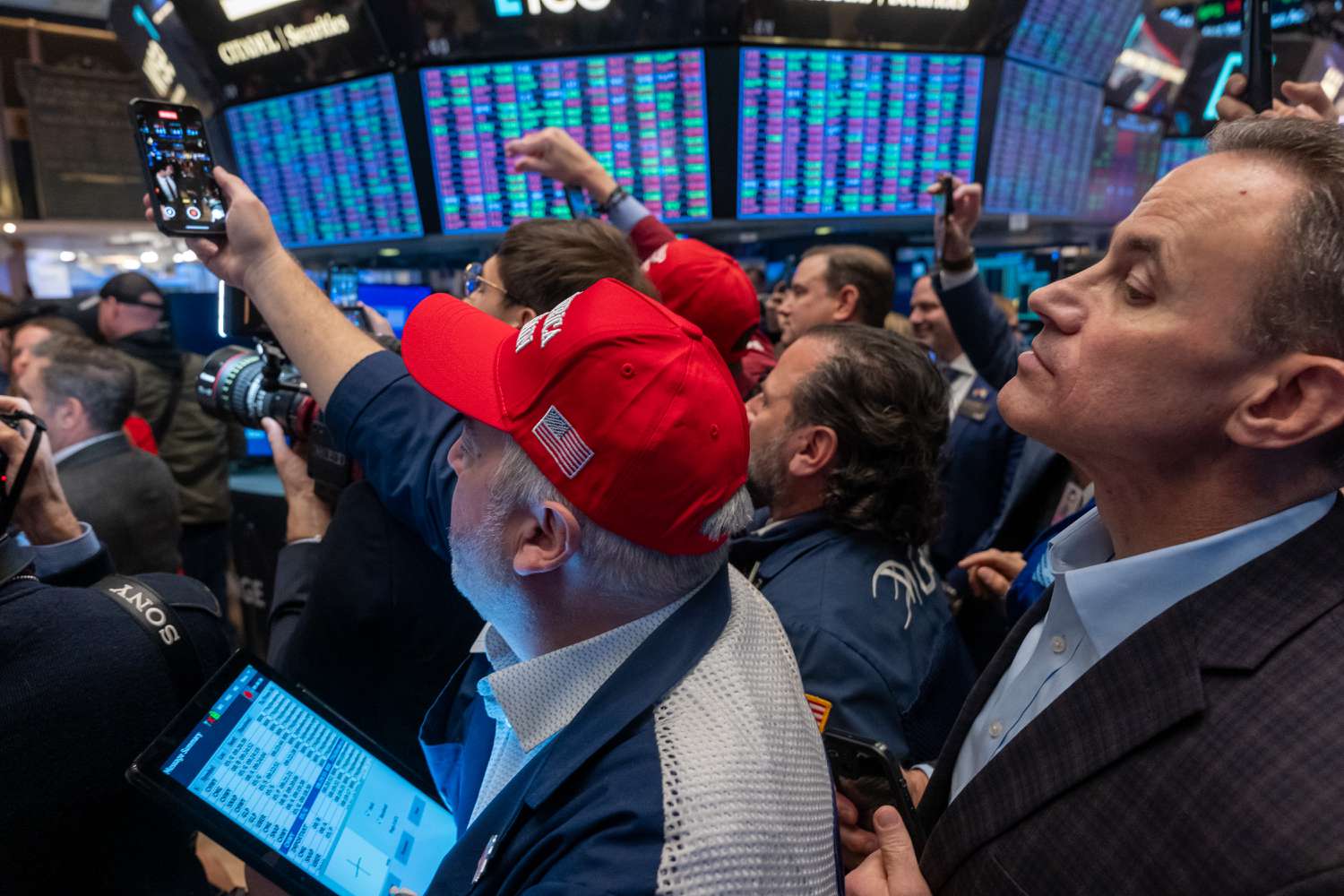
U.S. stocks slipped on Thursday as the market pulled back from record highs, with major indices like the S&P 500, Dow Jones, and Nasdaq Composite all declining. Technology stocks, which had surged the previous day, were mostly lower, with notable declines in Nvidia, Alphabet, and Amazon. Adobe shares fell sharply due to a weak revenue outlook, while Warner Bros. Discovery shares rose on restructuring news. Economic data showed higher-than-expected wholesale inflation and disappointing jobless claims, but did not alter expectations of a Federal Reserve rate cut next week. Meanwhile, Donald Trump made a historic visit to the NYSE, promoting tax cuts and investment in AI.