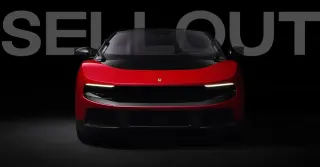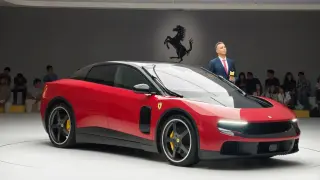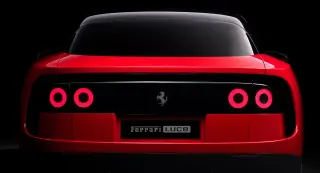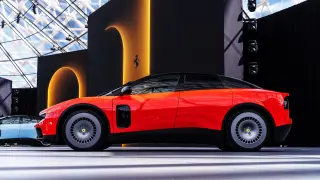
Ferrari unveiled the Luce EV sedan in China at 3,988,000 yuan (about $586,600) with 88 allocations reportedly sold out; the China launch follows a Rome debut and highlights demand among China’s ultra-rich for exclusive grand tourers, despite domestic rivals like BYD Yangwang U9 and GAC Hyptec SSR and a roughly 7% price discount versus Europe.
James May says he likes the Ferrari Luce, calling it a modern, contemporary Ferrari and noting EVs are inevitable, despite Ferrari’s past reluctance. The Luce is reportedly sold out through 2027, and the piece highlights May’s long-running relationship with Ferrari and the lively fan reactions to his views.
Brad Brownell invites readers to share which ugly car they’d defend, using Ferrari’s new all‑electric Luce as a focal point. He admits liking the design despite its controversy, arguing that bold, unconventional styling can be appealing. He also cites the Jaguar Type 00 and promises to recap some favorite opinions on Monday.
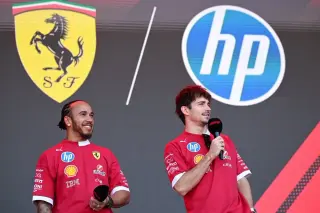
Charles Leclerc’s hilariously anxious reaction as Lewis Hamilton drives Ferrari’s new Luce EV goes viral on track ahead of its unveiling. The Luce pack includes a 122 kWh battery and four independent motors delivering 1035 hp, with 0–62 mph in 2.5 seconds, a 192 mph top speed, and about 330 miles of range, while both drivers praise its futuristic design and precise power delivery.
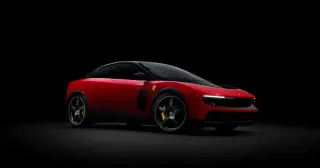
Ferrari’s first electric car, the four‑door Luce designed with Jony Ive’s LoveFrom studio, is stirring debate by departing from Ferrari’s traditional look. Its center‑opening doors, minimalist shell, Samsung OLED cockpit screens, and emphasis on tactile controls aim to combine luxury with performance (0–60 mph in about 2.5 seconds) but critics compare its Apple‑influenced lineage to a generic look, raising questions about Ferrari’s identity. Priced around $640,000 and pitched as a statement of exclusivity in EVs, the Luce’s reception ranges from admiration to skepticism, with social media drawing parallels to controversial Apple‑related design moves and even Jaguar’s Type 00 rebrand. The piece also notes LoveFrom’s broader work and Ive’s rumored AI hardware project with OpenAI, underscoring the broader debate about design direction and branding in high‑end electrics.
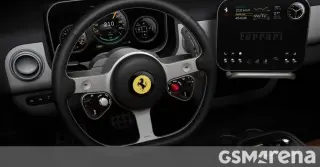
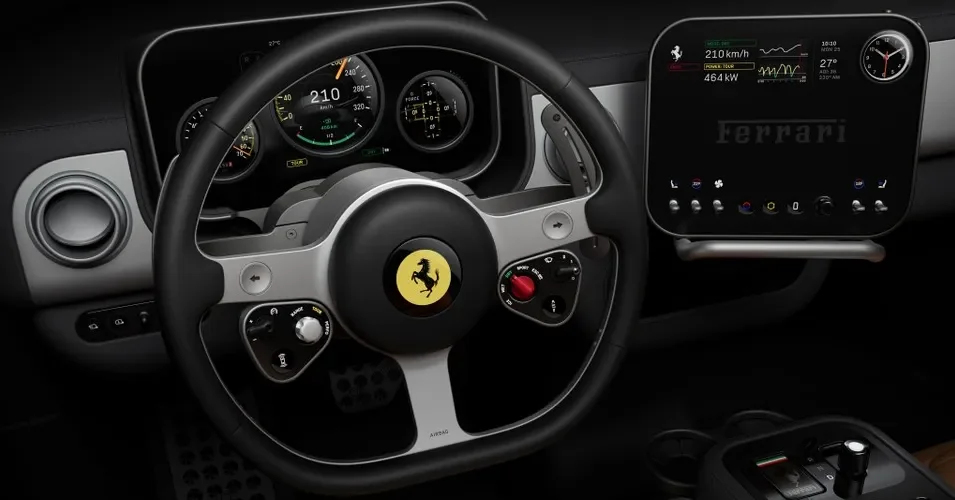
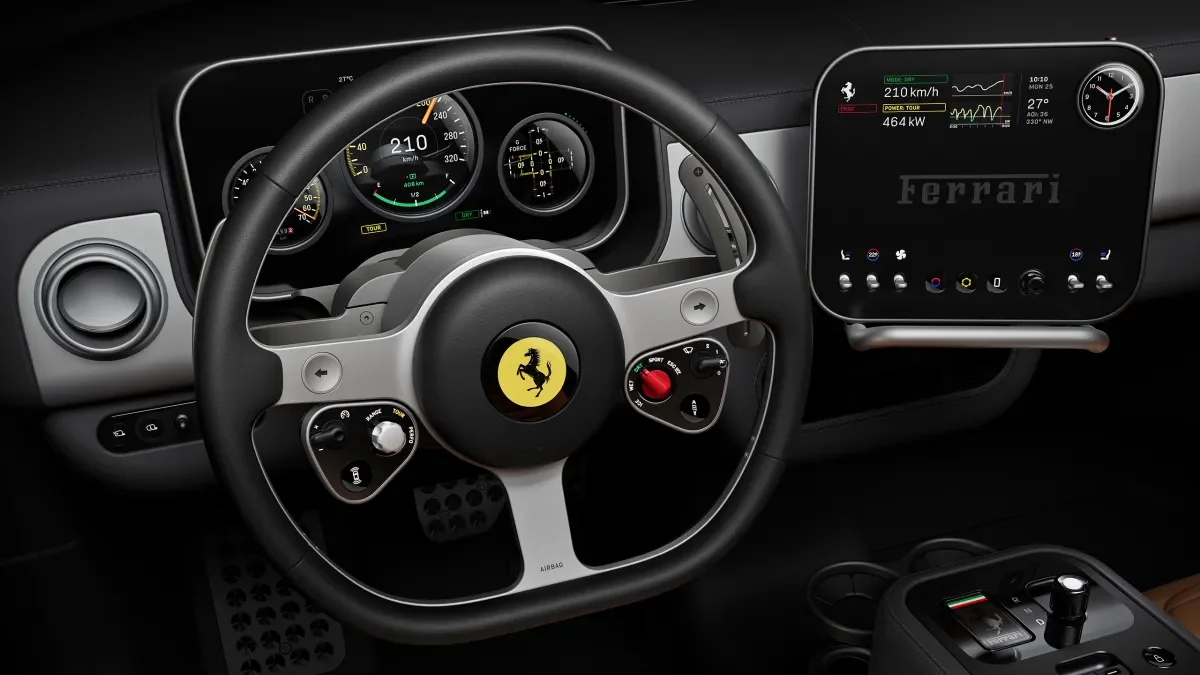
Ferrari's Luce, designed by Jony Ive, will use Samsung OLED displays across three zones: a two-layer binnacle (12" bottom, 12.9" top with three circular holes) featuring Samsung’s Hole In Active Area tech, a 10.1" central control panel with three protruding hands, and 6.3" rear panels. The stacked, three-dimensional cockpit blends hardware and software seamlessly, with a price around €550,000 and design cues rooted in Ive’s LoveFrom collaboration.
Ferrari unveils the Luce, its first fully electric hypercar, delivering over 1,000 hp from four motors, a 122 kWh battery with up to 350 kW charging, 329+ miles of range, a 2.5-second 0–62 mph time, and a 192 mph top speed. Designed with LoveFrom under Jony Ive and Marc Newson, it features a glass-heavy exterior and Apple-inspired cabin. Production starts late 2026 at roughly $640,000, with Ferrari signaling it’s a new design direction rather than a pivot from combustion as it pursues a 2030 mix of EV/hybrid/ICE sales.
Ferrari unveils the Luce, its first full car designed with Jony Ive’s LoveFrom, a luxury EV in SUV-like form with 1,035 hp from four motors, four-wheel steering, and a 122‑kWh pack delivering about 329 miles WLTP; interior and some software are still in pre-production, and pricing starts at €550,000 in Italy with US pricing to be announced.
Ferrari revealed the Luce’s interior, its first fully electric car, designed by Jony Ive’s LoveFrom, featuring glass and brushed aluminum surfaces, tactile aluminum buttons, a movable iPad‑like cockpit display, a glass gear shifter, and Gorilla Glass components. Exterior details will be shown in May, and the name has shifted from Elettrica to Luce to emphasize Ferrari DNA and a driver‑focused, tactile experience.
Ferrari previews the Luce EV interior designed by Jony Ive and Marc Newson’s LoveFrom, featuring a retro-futuristic cockpit built around a large OLED gauge cluster and a swiveling center screen. The cabin emphasizes metal and glass, tactile controls, and a restrained Apple-like aesthetic, signaling a bold shift for Ferrari’s design language. Critics praise the depth and craftsmanship of the display while noting a sparse center console and a synthetic “fake” torque-shift via paddle shifters as potential drawbacks, making it a high-risk, high-reward move for the brand.